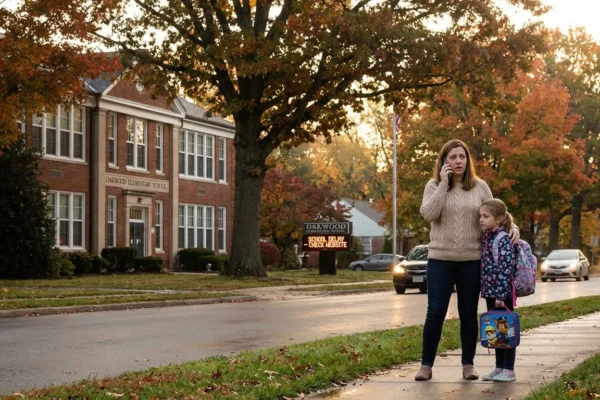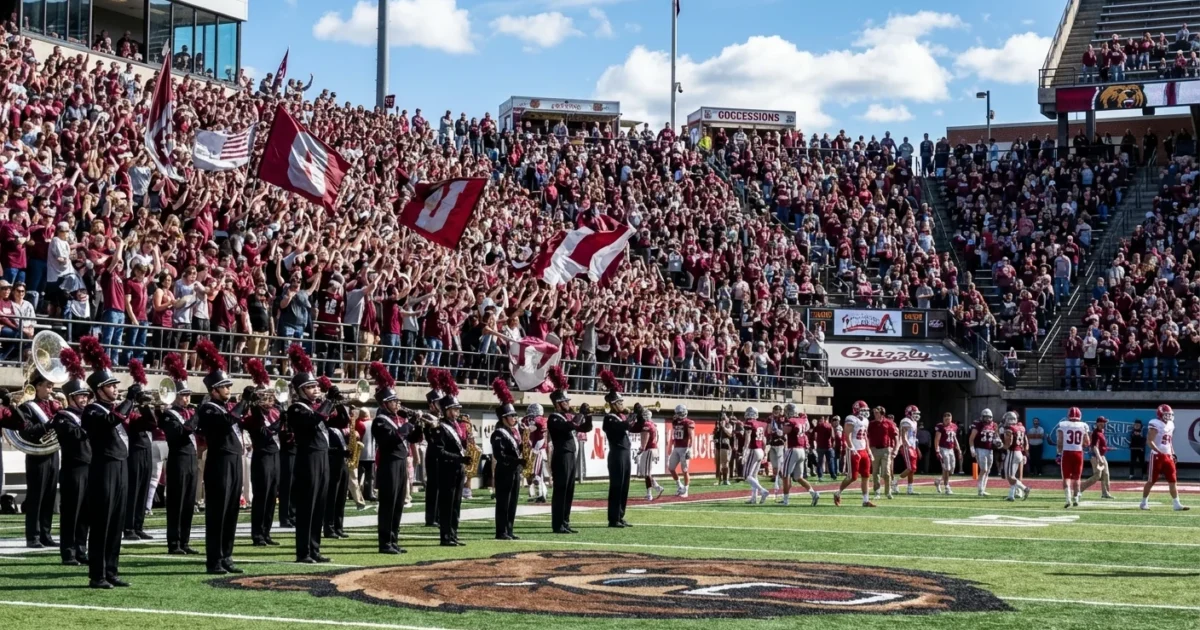
Breaking: The University of Montana is the state’s front line today. Youth climate activists connected to Held v. Montana just asked the Montana Supreme Court to stop new laws that cut climate data out of fossil fuel permits. At the same time, the No. 3 Grizzlies are rolling into an FCS quarterfinal at home after a 50 to 29 rout of South Dakota State. Power and pride, law and football, all on one campus.
A campus where policy meets passion
This is a rare double spotlight. In Helena, 13 of the original Held youth plaintiffs want the court to halt enforcement of new statutes that limit air quality rules to federal minimums. The laws also block agencies from weighing upstream and downstream emissions when they review permits. The students say that conflicts with last year’s ruling that recognized a right to a stable climate for young Montanans.
The court has already said youth have a constitutional right to a stable climate. The new petition argues lawmakers cannot write rules that sidestep that right.
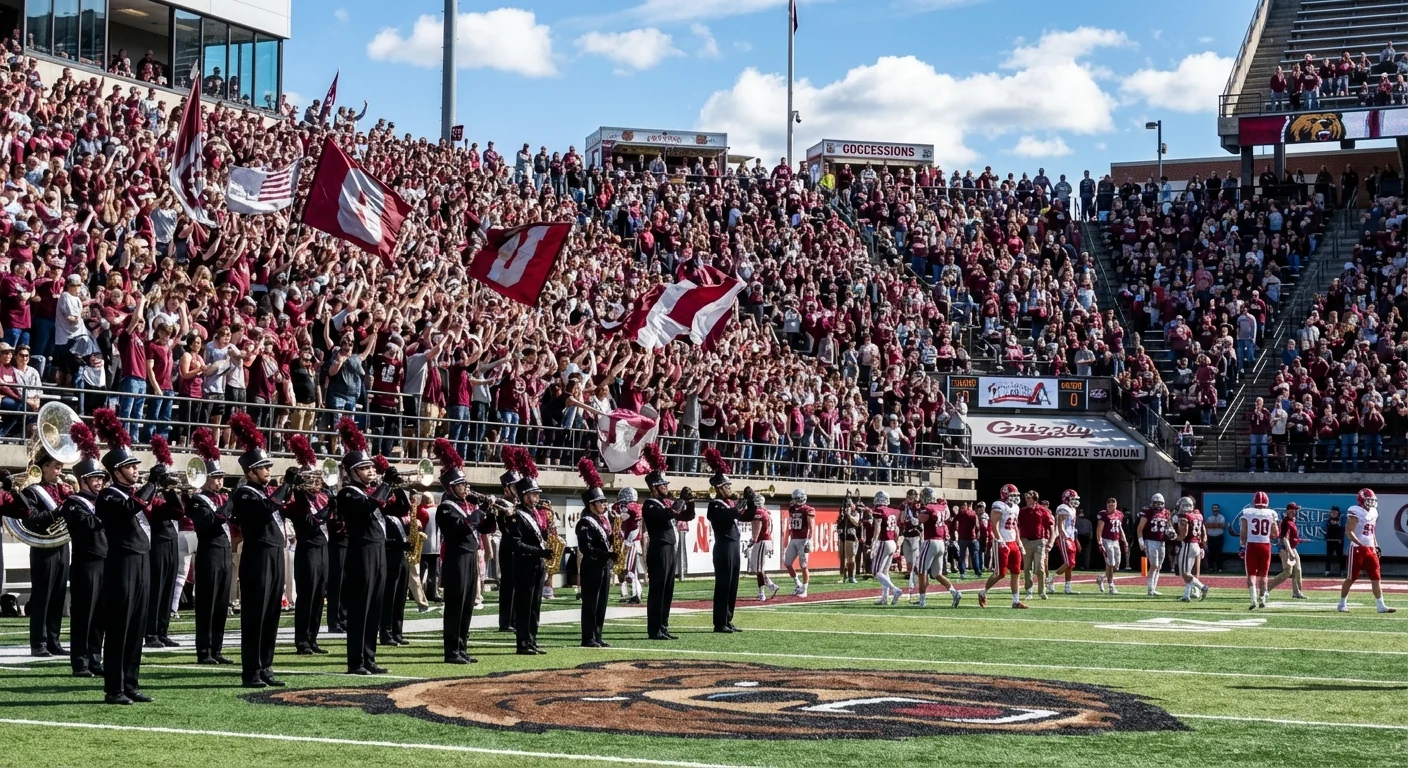
On campus, the Griz prepare to host South Dakota in the FCS quarterfinal. Quarterback Keali‘i Ah Yat has the offense humming. Running back Eli Gillman sets the tone on the ground. The stadium will be loud, and the stakes are high.
What the court fight means for students and jobs
This legal push is not abstract for UM students. It touches internships, research, and first jobs. If the court blocks the new rules, agencies and companies in Montana will need more people who can measure emissions, study health impacts, and model energy tradeoffs. If the laws stand for now, the fight shifts to compliance, federal rules, and litigation support.
Environmental studies, law, public health, data science, and forestry majors should pay attention. So should business and communications students who aim to work with energy clients or public agencies. The skills in demand are clear, and they cross majors. You need to analyze data, explain it in plain language, and work with people who do not agree with you.
Policy can change fast. Build skills that travel, like GIS, Python, and clear writing. Those skills hold value in any policy cycle.
Missoula’s job market already leans into outdoor recreation, conservation, health care, and a growing tech scene. Energy and natural resource roles are evolving. Students who can bridge science and policy will have an edge. So will those who can link climate risk to finance and insurance.
Playoffs on Saturday, career plays today
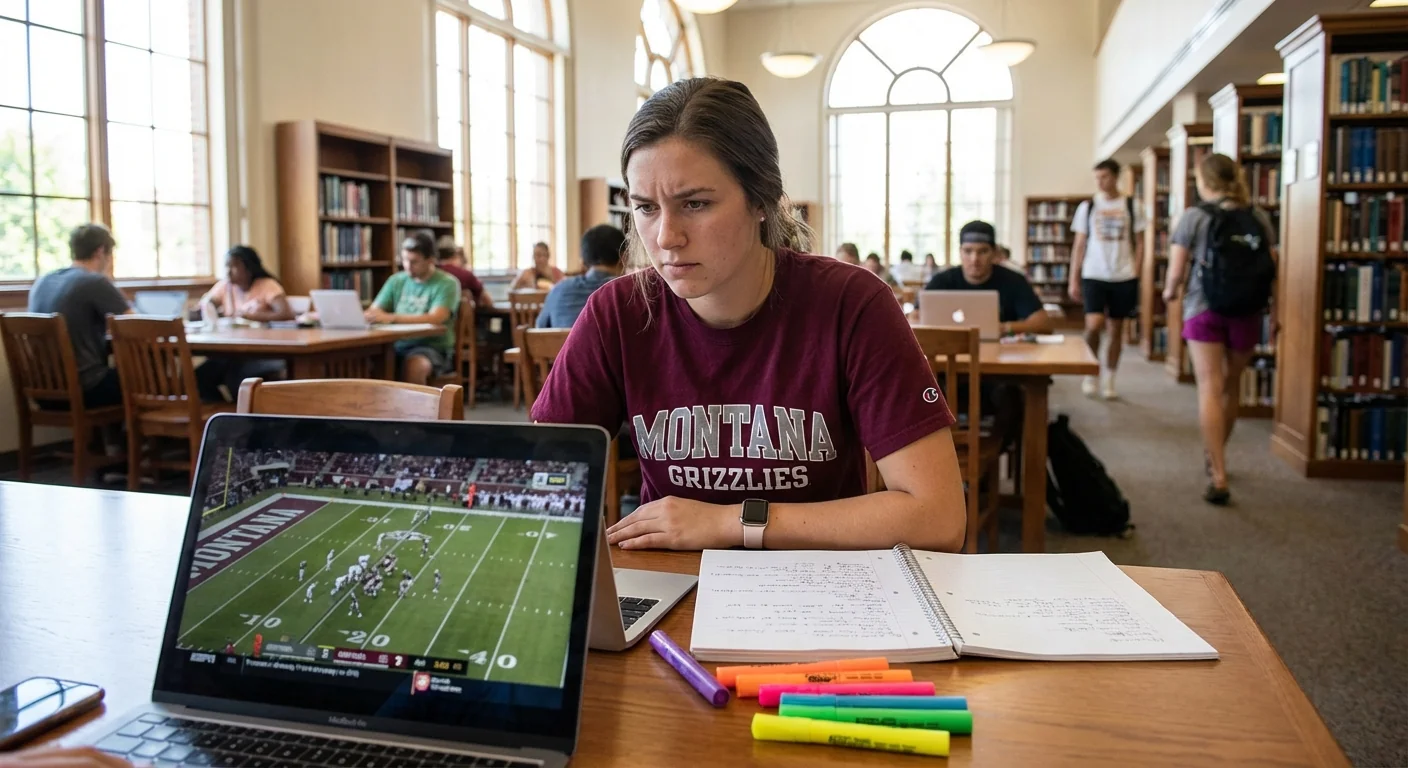
Football weekends are more than games. They are live classrooms. The quarterfinal lifts opportunities in sports media, event operations, analytics, marketing, and community relations. Students in journalism can stack clips by covering practice, fan access, or data-driven previews. Business students can shadow ticketing, sponsorship, and donor engagement. Computer science students can build simple models to predict drives or fourth down decisions. That turns into a portfolio piece.
On the team side, athletes and support staff are sharpening high-value habits. Film study, quick feedback, and pressure checks define elite performance in any field. Translate that to interviews. Show how you break down a complex task into steps, then how you adjust in real time.
Turn game day into networking day. Email one athletics staff member this morning. Ask for a 15 minute chat next week about their role. Bring two smart questions.
Learning moves you can make now
Do not wait for a ruling or a final score. Put small wins on your resume this week.
- Enroll in a short GIS or Python module, then map a local emissions dataset.
- Join a moot court or policy lab, then draft a one page comment on a permit.
- Pitch a 600 word game piece to student media, then link it on your LinkedIn.
- Ask a professor for a two week micro-project tied to their research.
UM’s recent academic restructuring makes it easier to stitch paths across colleges. Pair science with policy. Pair humanities with data. Add one hands-on credit next term, in a lab, clinic, newsroom, or field course. That is where you get proof of work.
Conclusion: The University of Montana is doing what public universities do at their best. It is hosting a high stakes game that unites a community. It is also shaping a high stakes court fight that could guide how this state measures its future. Students should not watch from the sidelines. Learn fast, build proof, and step into the arena.