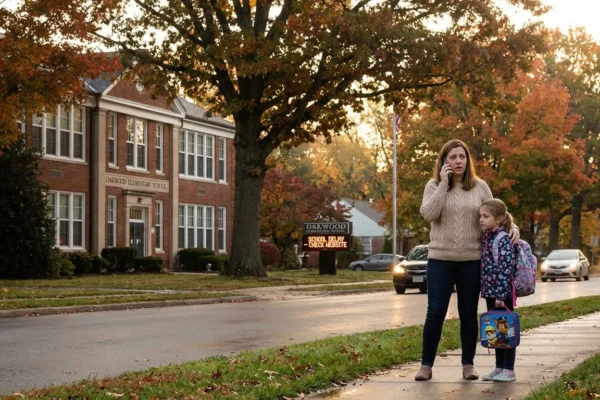
Kansas moves toward a classroom phone ban. I watched the debate open today at the Capitol in Topeka. Lawmakers are weighing a statewide rule for K to 12 schools. The goal is simple. Cut distraction, raise focus, and give teachers control. The hard part is how to do it, and who decides.
📵 This story matters for learning and careers. Attention is a skill. So is smart tech use. Kansas will choose which one to train first.

What Kansas Is Weighing Right Now
A statewide ban is on the table. Details are still in play. Lawmakers asked about enforcement, teacher workload, and exceptions for health needs. They also looked across the state line to Missouri, which is pushing new limits of its own.
Student voices split fast. Some want a clean break from phones during class. They want fewer dings, and better focus. Others worry about safety, jobs after school, and family contact. Equity is part of this. Not every student has the same device, plan, or home support.
Districts are already moving. Andover Public Schools announced plans to tighten phone rules. That shows momentum, with or without state action. The question for Kansas is speed and consistency. One rule for all, or local tools that fit each school.
The key choice is not ban or no ban. It is statewide floor or local control, plus funding for real enforcement.
What This Means For Learning
Phones compete with your brain. That tug hurts recall, writing, and problem solving. A clear rule can protect focus blocks. It can also reduce conflict in class. Teachers I spoke with want fewer power struggles and more time to teach.
But learning is not just silence. Students need digital skills for modern jobs. The fix is planned tech time, not free scrolling. Schools that lock phones during class can still use laptops or school devices for lessons. That set up keeps learning on task. It also gives teachers tools to track work.
Students also raise a fair point on safety. Kansas will need clear exceptions. Health devices must be allowed. Office lines must be open. Emergency plans must be public and tested.
Students, get ready now. Practice 20 minute focus sprints with your phone out of reach. Take notes on paper once a day. Move group chats to after school hours. Your mind will feel sharper in a week.
Job Market Impact And Career Prep
Kansas employers want two things at once. They want workers who can focus without constant alerts. They also need people who can use tech with purpose. A smart policy can build both.
In Wichita, aviation and advanced manufacturing value attention to detail. In Kansas City and Johnson County, tech and finance need clear written work. In rural regions, ag tech and healthcare need steady teamwork and clean records. None of that works with a phone on the desk all day.
A phone policy is not a cure for every learning gap. It is a guardrail. Schools that pair it with strong reading, writing, and math will feed the state’s talent pipeline. Students who adjust now will stand out in job interviews.
- Build your edge today:
- Create a daily 90 minute deep work block for homework.
- Use one device for tasks, close all other apps.
- Turn in work that shows version history or drafts.
- Practice short, clear emails without emojis or slang.
How Districts Could Enforce It
Enforcement will make or break this plan. I heard three models discussed in halls today. Some want phones off and in backpacks all day. Some prefer lockable pouches that open at the final bell. Others support phone lockers by the door with pickup after class.
Each model has trade offs. Backpack rules are cheap, but disputes can spike. Pouches work, but districts must pay and train staff. Lockers give structure, yet add time at transitions. None of this should sit on teachers alone. Building leaders will need hall monitors, de escalation training, and clear scripts for families.
Health needs must be part of the policy. Insulin pumps, seizure monitors, and hearing supports are not negotiable. A strong plan protects those students without stigma.
Andover’s move shows the path. The district is shifting to tighter bell to bell limits. Staff are mapping where phones go, who checks, and what happens if rules break. That kind of detail is what a state rule will also need.

If enforcement falls only on teachers, burnout will rise. Districts should budget for staff support, counseling, and parent outreach before day one.
What Parents And Students Can Do This Week
Do not wait for the final vote. Families can set school day phone rules at home now. Students can build focus like athletes build strength. Teachers can pilot phone caddies or entry routines. Principals can plan training, scripts, and backup for staff.
If the state sets a floor, local districts can still choose the tool. That is the better path. A clear statewide rule for class time, plus local control on how to enforce it, will move learning fast without breaking trust.
Conclusion: Kansas has a shot to reset attention in the classroom and sharpen career skills at the same time. A statewide floor with local flexibility, real funding, and clear exceptions is the smart play. The outcome should not be punishment. It should be progress, in test scores, in calmer classrooms, and in graduates who can focus when it counts.