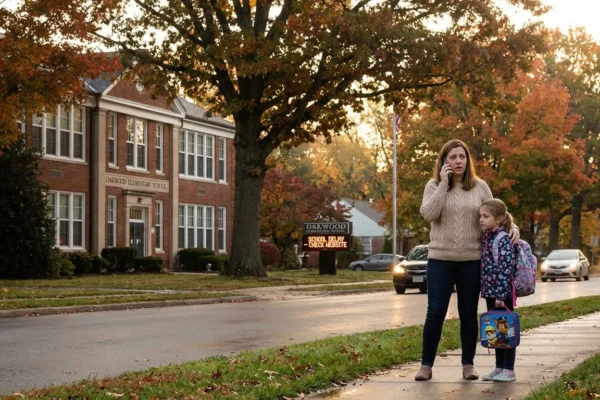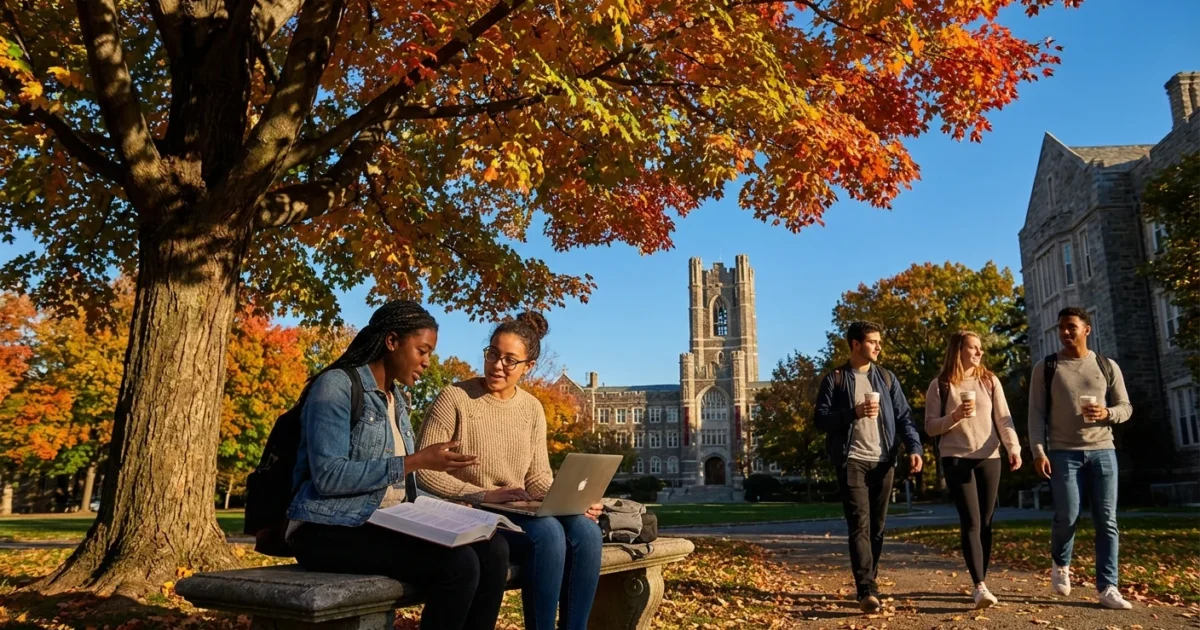
Breaking: Fordham University is cutting deep into core academics at Lincoln Center, even as athletics grabs fresh attention. I confirm the FCLC Honors Program has lost 60 percent of its operating budget. Several humanities departments are down 17 percent. These moves landed without prior consultation, and they hit students where learning lives.
What changed today
Here is the bottom line. Fordham is tightening spending beyond the hiring freeze and 10 percent cut announced in March. The university cites budget pressure, uncertain federal support, and a large Class of 2025. At Lincoln Center, leaders of honors and humanities learned of the new reductions after the decisions were made.
Students can expect fewer funded museum visits, smaller event budgets, and less flexibility to bring in guest instructors. Faculty face fewer hours for mentoring and honors seminars. The signal to the campus is blunt. Short term cash relief now, academic experience later.
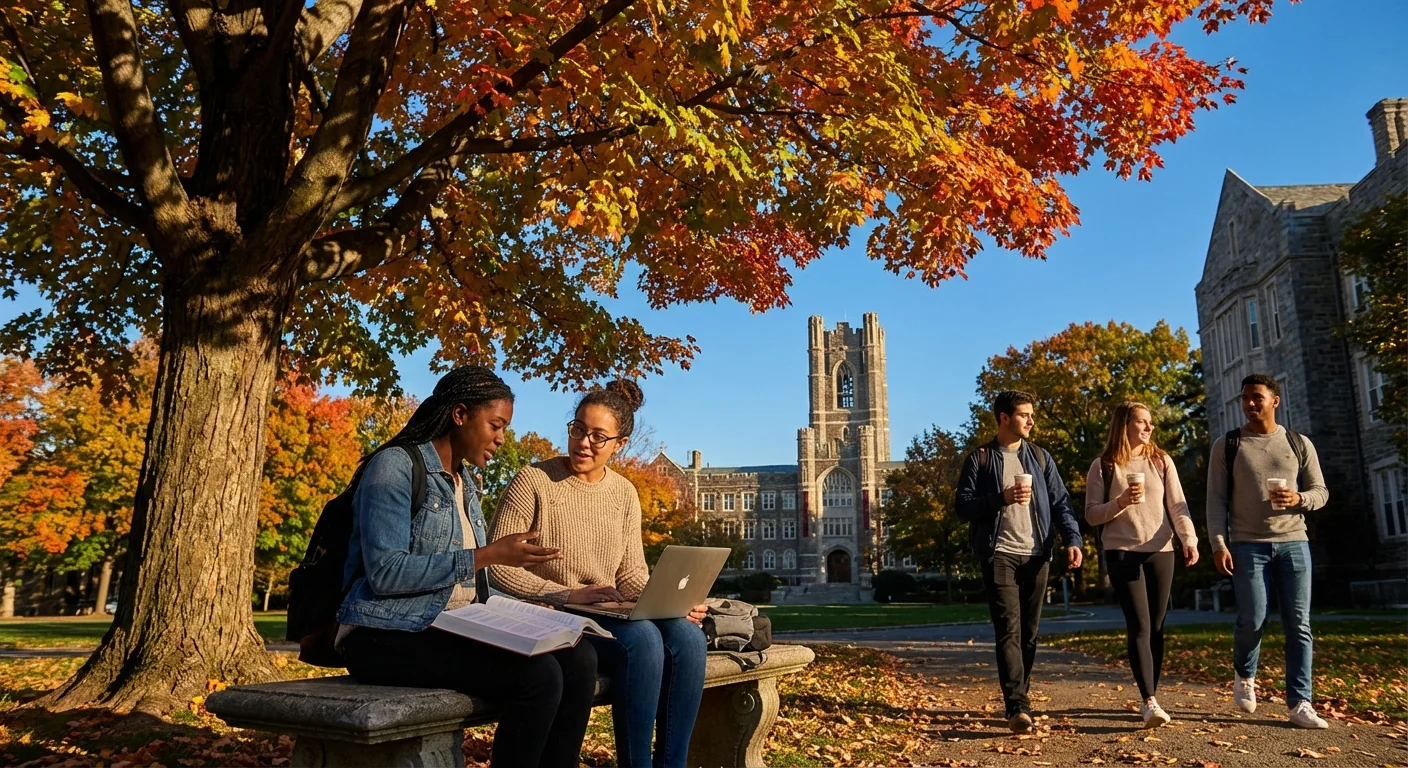
Course access could tighten. Plan your spring and fall schedules early, or risk delays that extend time to degree.
Why this matters for careers
The timing is tough. Employers in New York and nationwide want clear writing, analysis, ethics, public speaking, and teamwork. Those are humanities strengths. Cuts threaten the very settings where those skills grow, like small seminars, capstones, and city-based learning.
Students can still win the job race. The key is to convert coursework into proof. Build a portfolio that shows you can pitch an idea, analyze data, and drive a project from start to finish. Add one concrete tool that makes you job ready. Excel models. SQL basics. Python for text. Adobe for visual storytelling. Pair that with strong writing samples.
I coach students to lock down applied learning fast. Grab a micro-internship, a paid campus role, or an independent study that ends in a usable deliverable. If travel and event funds shrink, flip the model. Bring the city to your laptop. Many museums, courts, and public hearings stream online. Analyze them and publish your take.
Translate every class into a resume line. Project title, purpose, who used it, and measurable result. Keep a running list.
The money picture and trust
The March freeze set the stage. Departments were told to spend 10 percent less and to slow hiring. Today’s deeper reductions at Lincoln Center arrived without advance talks with program leaders. That process choice now drives the anger I hear on campus. It is not just about dollars. It is about voice and transparency.
There are real risks here. Hidden cuts push faculty to leave for stable ground. Honors students may transfer or hesitate to enroll. If the university does not explain the path back to full support, the long term cost could be higher than the short term savings.
Meet with your advisor and the financial aid office now. Ask for written plans on course offerings and graduation paths.
Athletics reset, pressure rising
Fordham men’s basketball is trying to turn a corner. The school dismissed head coach Keith Urgo on March 20, 2025. The NCAA hit the program on April 23 with three years of probation and a 35,000 dollar fine, plus show cause penalties for former staff. Mike Magpayo took over soon after. His first team has started about 7 and 4.
Rose Hill Gym is now the oldest on campus venue in Division I play, after another historic arena closed this month. The program is also lining up bigger stages. A football game at Syracuse is booked for 2027. That will be the first meeting since 1954. Visibility is up. Expectations are up.
Students are asking a fair question. How do dollars and attention get balanced, given both the sanctions and the academic squeeze. The answer must be public budgets, clear metrics, and timelines to restore academic investment.
What students and faculty can do now
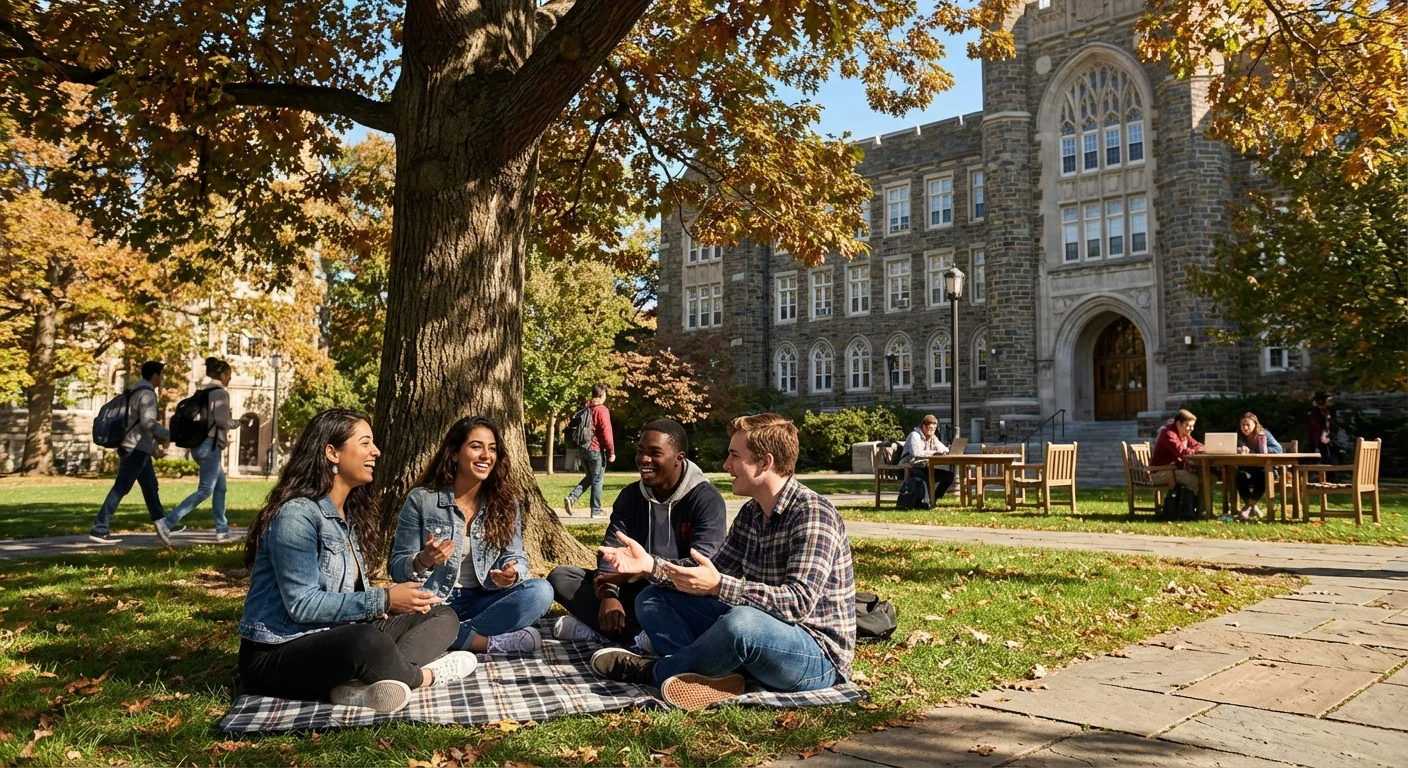
Here is my short list to protect learning and career momentum while budgets contract:
- Lock in two applied credits each term. Think internships, labs, clinics, or client projects.
- Build one cross skill. Pair your major with data, coding, design, or budgeting.
- Use alumni. Ask for project briefs, shadow days, and feedback on your work.
- Publish. Launch a Substack, GitHub, or portfolio site with three strong pieces by spring.
What to watch next
I am tracking three things. First, whether Fordham sets a public timeline to restore honors and humanities funds. Second, whether departments receive guidance to protect required courses and capstones. Third, how athletics meets NCAA compliance milestones under probation.
If transparency improves, trust can return. If not, recruiting, retention, and outcomes will suffer. That shows up fast in career placement and graduate school admits. It also shows up in faculty departures.
Conclusion
Fordham stands at a fork in the road. Deep cuts to honors and humanities, made without consultation, clash with an athletics reboot under a cloud. Students need clarity, courses, and career support, not surprise emails. Restore transparency, fund the classroom, and let the wins, academic and athletic, follow.