Breaking: Emory University just put public health on offense. In one week, the university moved new research into real care, took its voice national, and sounded an early alarm on a fast-spreading stomach bug. Even its women’s soccer team stepped onto a national stage. For students and job seekers, this is more than campus pride. It is a map of where health careers are going next.
Telehealth turns prevention into access
I can confirm Emory researchers published a major study on December 4 showing the MISTR telehealth model widens access to HIV prevention across the United States. The findings center on a simple idea. Meet people where they are, on their phones or laptops, and remove barriers to care. That means faster starts on PrEP, fewer missed visits, and fewer gaps in follow up.
This is not a lab exercise. It is translational work that touches patients today. It also shifts the hiring picture. Health systems now need telehealth navigators, care coordinators, and privacy-smart data analysts. Public health graduates who can run remote workflows, track adherence, and explain next steps to patients will move to the front of the line.
Emory’s MISTR study shows telehealth can close prevention gaps. It links real people to timely HIV care across state lines.
Build telehealth fluency. Learn electronic health record basics, HIPAA privacy rules, video visit etiquette, and clear patient messaging.
[IMAGE_1]
A public health show goes nationwide
On December 9, Emory’s Rollins School of Public Health announced that Health Wanted, a weekly program created with WABE, will reach public radio stations nationwide starting January 2, 2026 through PRX. The show is hosted by infectious disease researcher Laurel Bristow. The mission is sharp. Give listeners trusted, practical answers during an era of noise.
This move creates a direct pipeline between research and the public. It also opens real jobs. Audio producers, health editors, on-air explainers, and fact checkers are in demand. If you can translate complex studies into plain language in under two minutes, you are valuable.
Students should start small. Script a 60 second explainer on vaccines. Record it on your phone. Rewrite it until a ninth grader can follow every line. Then publish and repeat. Your portfolio is your interview.
Norovirus is early, and it is serious
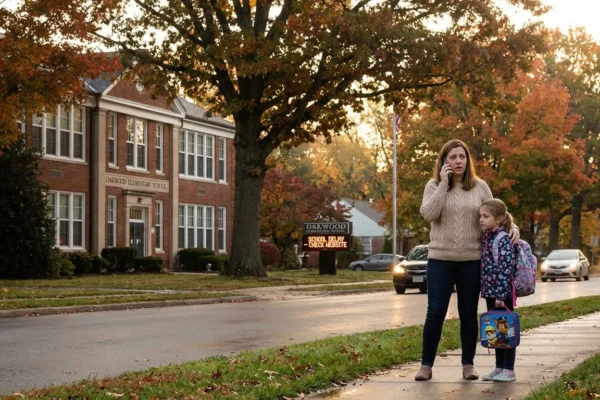
Emory epidemiologist Ben Lopman warned that norovirus, often called winter vomiting disease, is arriving early this season. Last winter was record-setting. This year could be big again. Norovirus spreads fast on campuses, in dorms, and in dining halls. It is not just about sick days. It is about staffing, food safety, and operations.
That means new needs across the workforce. Infection prevention teams must tighten cleaning plans. Schools and companies need outbreak dashboards and smart absence policies. Public health grads who can read surveillance data and turn it into action will stand out.
Norovirus is highly contagious. Hand sanitizer is not enough. Wash with soap and water, disinfect surfaces, and stay home if sick.
Here are skills hiring managers are asking for in 2026:
- Data literacy with clear visual updates for non-experts
- Telehealth operations and remote patient support
- Science storytelling for audio and social video
- Outbreak communication, including risk and return-to-work
Athletics puts the campus under a bright light
Emory’s women’s soccer team reached the NCAA Division III championship final on December 6, falling 2 to 1 to WashU. The match drew national attention. Why include this in a career report? Because moments like this train people for high-stakes work.
Game day demands logistics, safety, analytics, and media operations. Students who help run events learn workflows that transfer to hospitals and health departments. They learn how to move a plan from whiteboard to real life, under pressure, with the clock ticking.
[IMAGE_2]
What this means for your next move
Emory just offered a clear signal. The future of public health blends telemedicine, clear communication, and rapid response. The lesson is simple. Cross-train.
- Pair epidemiology with audio or video scripting
- Add a telehealth certificate to your public health degree
- Volunteer with campus health or dining services on outbreak drills
- Join a research lab that ships tools, not just papers
Learning tips
Keep your reading list short and your practice hands-on. Shadow a virtual clinic for a day. Draft a one-page outbreak plan for your dorm or workplace. Ask a mentor to mark it up. Repeat the cycle every month.