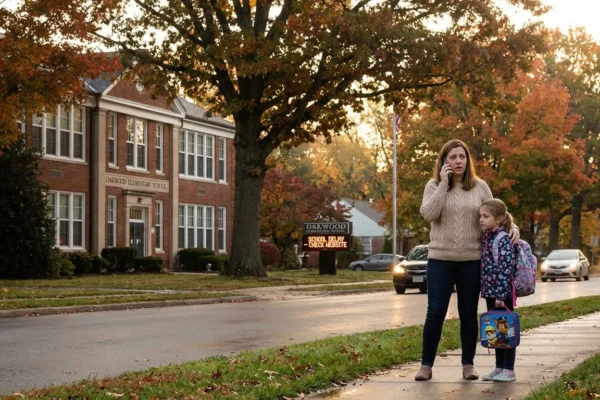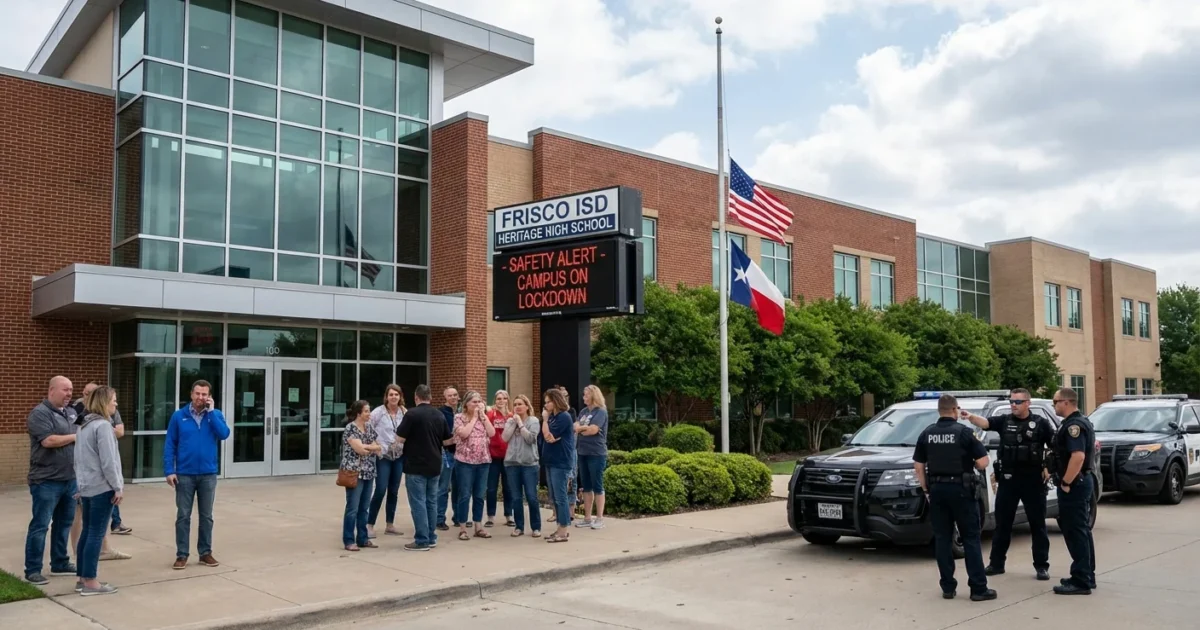
Frisco ISD moved every campus into secure status today after threatening emails hit district inboxes. Doors were locked to the outside. Classes went on inside. Police and district leaders are investigating the source and credibility of the messages. Parents were notified, and the district says updates will continue as facts develop.
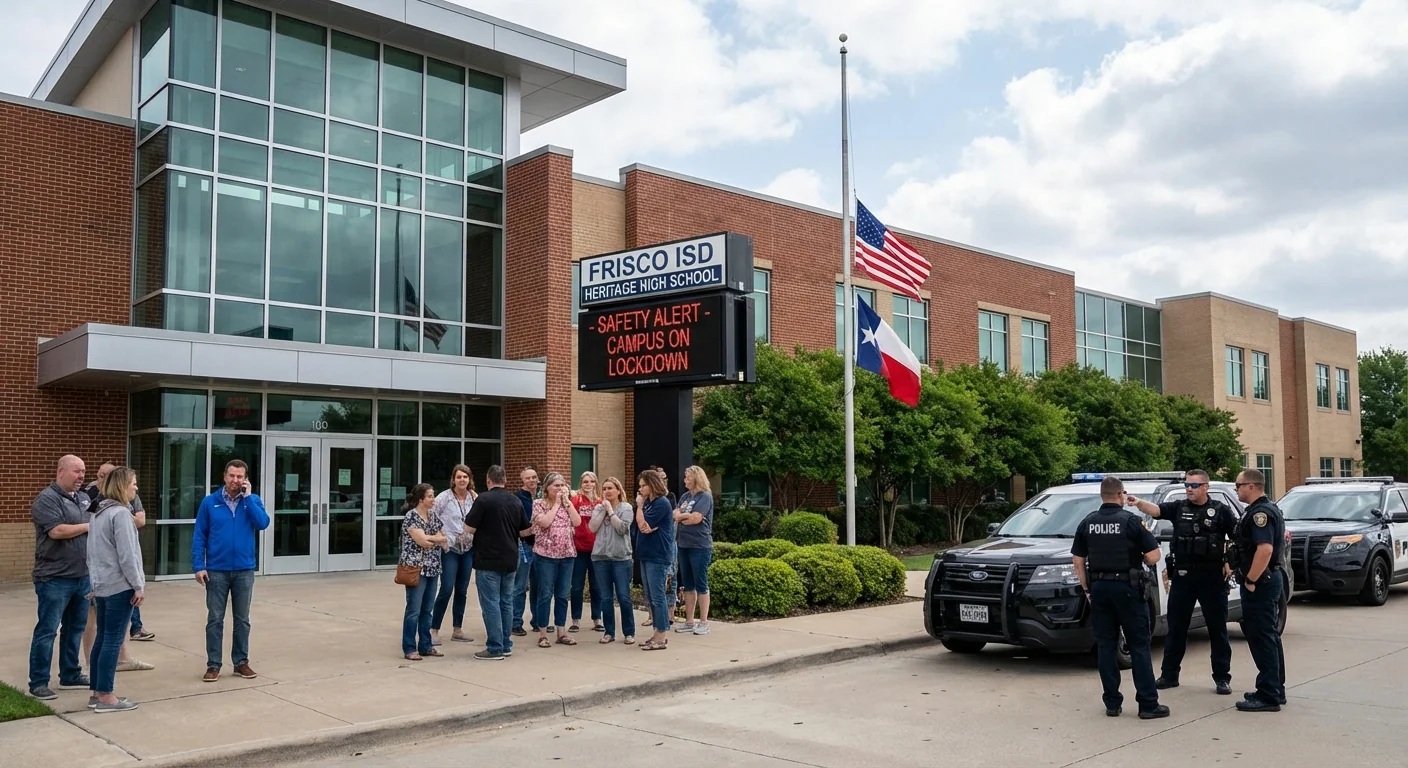
What secure status means for students and staff
Secure status is not a full lockdown. Instruction continues. Students stay inside, teachers teach, and the bell schedule holds unless told otherwise. Exterior doors are locked. Visitors are not allowed to enter without clearance. Some movement inside may be limited to reduce hallway traffic.
This approach protects the perimeter while keeping learning on track. It also buys time for officers to check threats and for principals to manage the building. In plain terms, school stays school, with tighter controls.
During secure status, instruction continues, exterior access is restricted, and campus leaders control movement. Follow staff directions and watch for district alerts.
How investigators handle emailed threats
Emailed threats trigger a layered response. First, school leaders secure buildings and notify families. Next, district police and local law enforcement assess the emails. They look at sender details, content, timing, and any links or files. Digital forensics tools help trace accounts, servers, and metadata. Investigators also check for matching messages sent to other agencies.
If a threat seems credible, leaders may raise the response. If it appears non-credible or hoax-like, secure status can be lifted once checks are complete. Today, officials have not released details about credibility. That is normal during an active review, which protects both students and the integrity of the investigation.
What parents and students should do right now
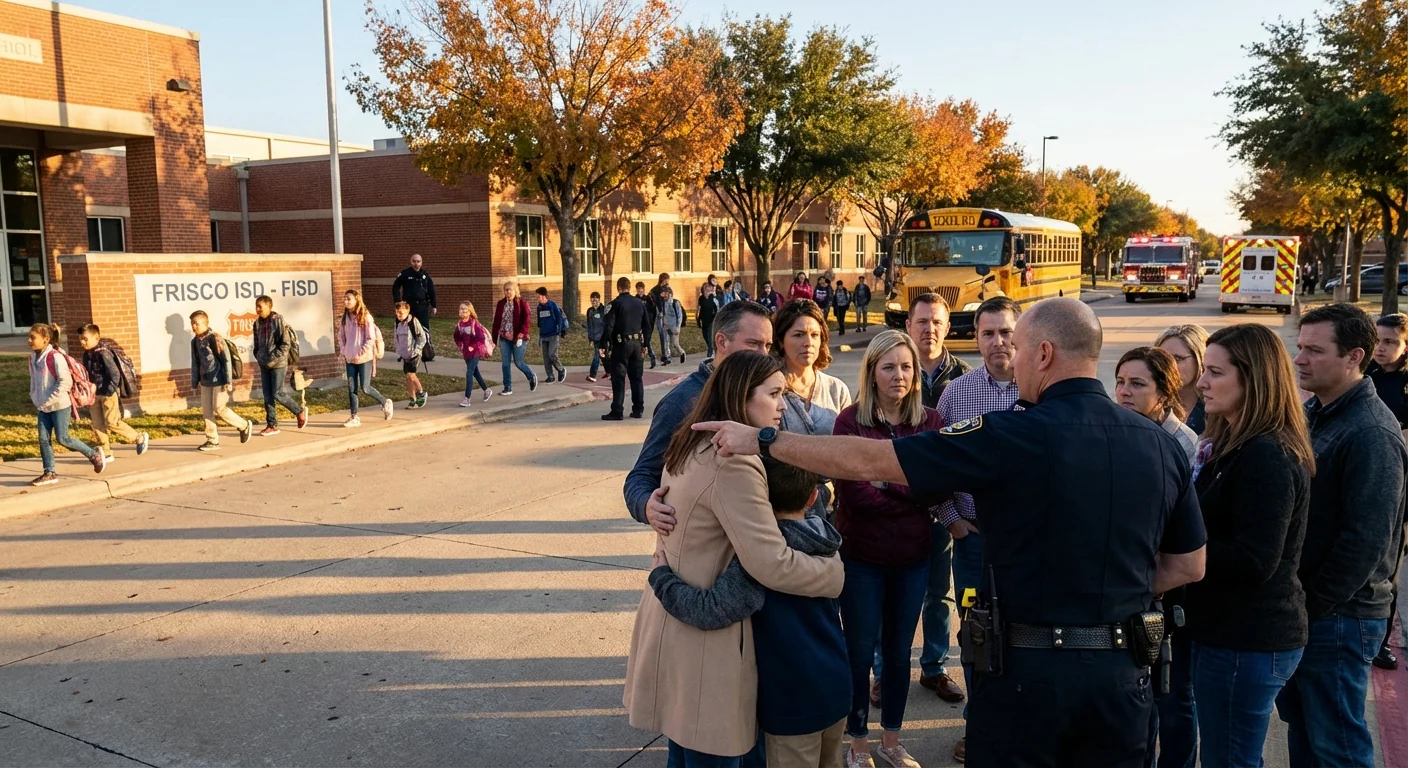
Parents, resist the urge to rush to campus. Showing up can slow safety work. Keep your phone nearby. Read district messages in full. Use only the official channels listed in those alerts.
Students, listen to your teacher. Keep phones silent unless there is a safety need. If anxiety rises, tell an adult. Counselors are ready to help.
- Do not call the front office unless directed, lines must stay open.
- Bring valid ID if you are told to pick up a student.
- Expect longer dismissal if secure status continues at the bell.
- Save district texts and emails for reference.
Add your school’s alert number and the district safety page to your favorites. Fast access to verified updates cuts rumors and stress.
Learning under stress, and how to keep momentum
Secure status days feel tense. Yet most students can keep learning with small, steady steps. Teachers can shift to short tasks, close reading, or quiet practice. Students can set micro-goals, like finishing five math problems, summarizing one passage, or reviewing a key term list.
If your class pauses movement, use the time to clean up notes, check assignments, and email quick questions to teachers. Breathing exercises help. Try a four-count inhale, four-count hold, and six-count exhale, repeated three times. If you need space, ask. A short wellness break can restore focus.
For teachers
Keep instructions simple. Post them on the board and in your LMS. Offer two choices for tasks, one quiet and one collaborative, if allowed by your admin. Close lessons with a quick exit ticket so you can measure learning even on a disrupted day.
For students
Pack work in small chunks. Use headphones only if allowed. Write down questions to ask later. If a topic feels hard, circle it and move to the next one. Return when your focus improves.
The career side, jobs that protect campuses and keep school running
Today’s response highlights a real job market. Schools need people who can manage safety, analyze digital threats, and communicate clearly. Interest in these roles is steady, and districts invest in them during tight times because safety is core to learning.
Key roles include school safety coordinators, emergency management specialists, campus police, cybersecurity analysts, and public information officers. Many positions value calm under pressure, strong writing, and evidence handling. Technical paths include email header analysis, network tracing, and data privacy. Non-technical paths focus on drills, plans, training, and crisis communication.
Students who are curious about this work can explore classes in computer science, criminal justice, psychology, and journalism. Clubs like CyberPatriot, debate, or yearbook build useful skills. Volunteering with local CERT programs or joining a campus safety committee offers hands-on experience.
If you plan a career pivot, consider certificates in incident command systems, basic digital forensics, or threat assessment. Strong resumes show clear writing, process discipline, and teamwork. Add a short portfolio that includes a sample emergency plan, a communication brief, or a mock threat analysis.
Skills to build now
- Clear, calm writing for email and text alerts
- Basic cybersecurity hygiene and email analysis
- Conflict resolution and de-escalation
- Data organization and chain-of-custody basics
Bottom line
Frisco ISD locked exterior doors and kept learning going while police investigated emailed threats. That is how the system is designed to work. Safety first, then facts, then a return to normal. Parents can help by staying plugged into official updates. Students can help by staying focused and speaking up when they need support. And for those eyeing their future, today’s response shows a growing field where steady minds make schools safer and learning possible.