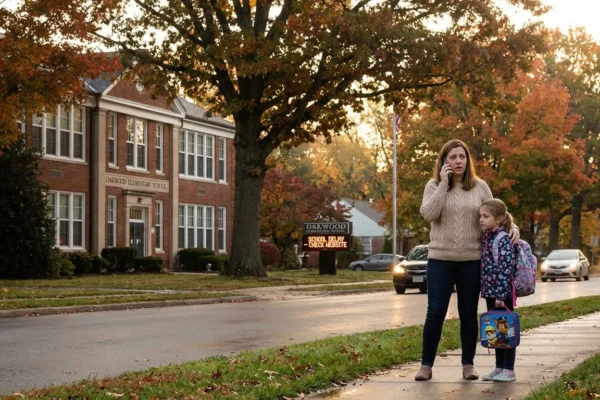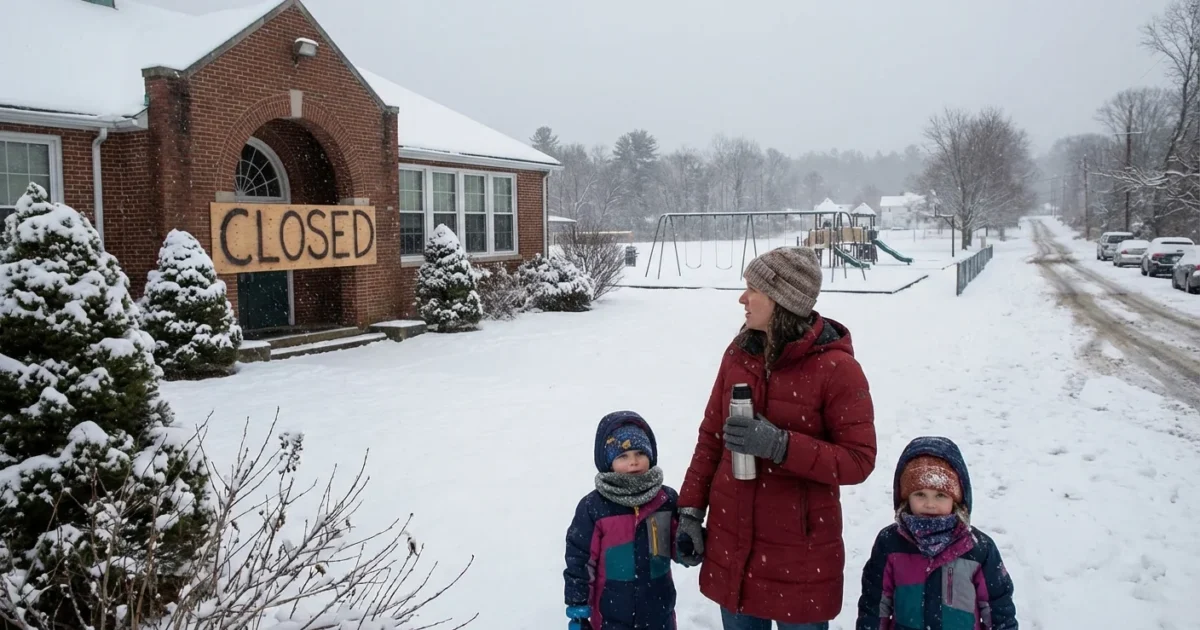
Connecticut school districts close and delay as new winter storm arrives
Students and staff across Connecticut are waking to fresh closures and delayed openings today. A new storm is moving through the state with snow in many inland towns and a messy mix of snow and rain along the coast. District leaders began issuing decisions late last night and before dawn. They are prioritizing safe travel, warm classrooms, and steady learning, even as roads glaze with black ice. ❄️
What we know right now
Several districts confirmed full closures for Tuesday. Others posted two hour delays to give plows time to clear and sidewalks to salt. Earlier this month, an arctic snap drove wind chills below zero. At least 31 schools closed on that day. Today, superintendents cite the same core risks. Ice on secondary roads, poor visibility before sunrise, and bus yards slowed by cold starts.
Families should expect after school activities to be canceled where closures occur. Food service schedules will shift, and some breakfast programs may be dropped on delay days. Districts are also watching building heat and power. If boilers or chillers fail during the storm, leaders will switch from delays to closures.
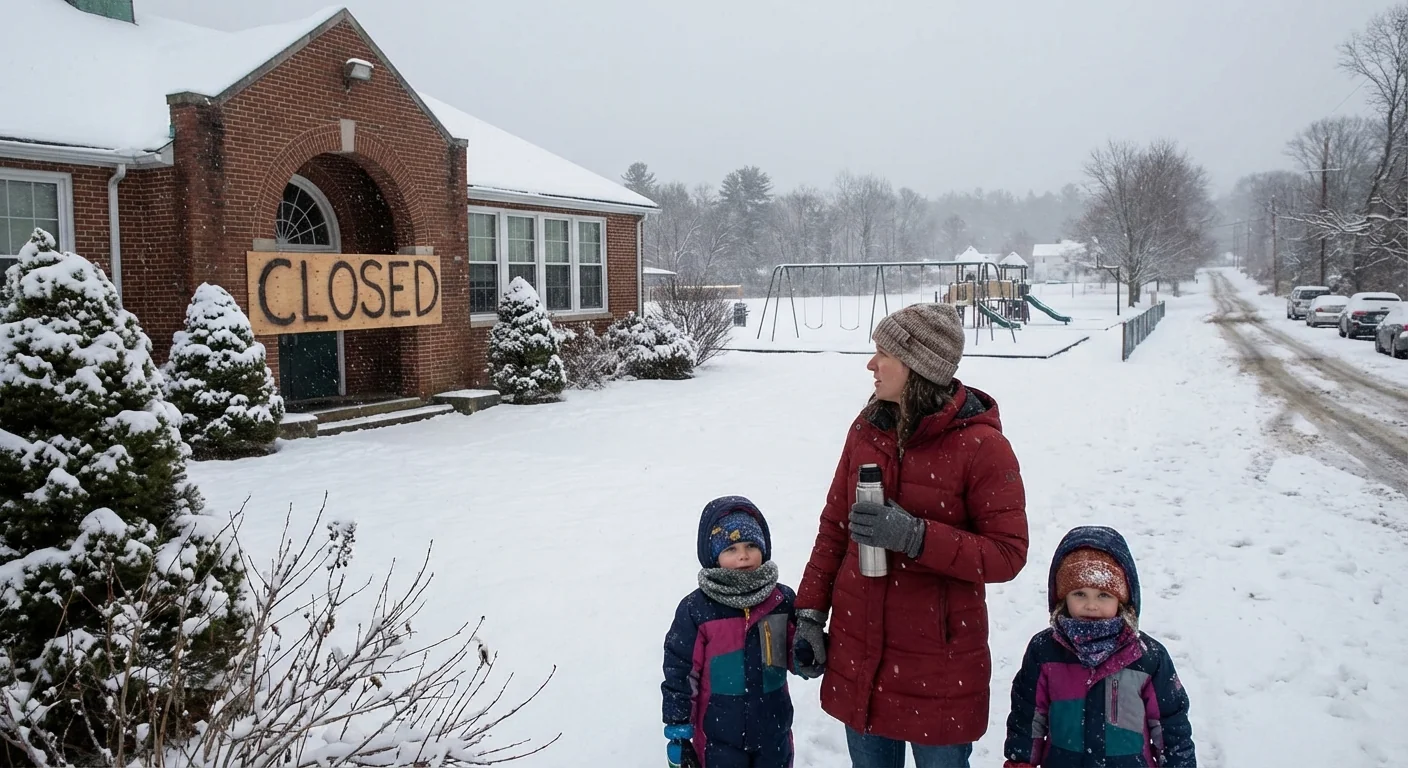
Black ice is most dangerous around first bell and dismissal. Sidewalks that look wet can be frozen. Give yourself extra time.
How districts decide the call
Here is what happens before your alarm rings. Operations teams drive test routes between 3:30 and 5 a.m. They check hills, bus turnarounds, and sidewalks. Transportation vendors report which buses can roll on time. Facilities crews verify building heat, power, and water. Superintendents also speak with neighboring districts to avoid conflicting calls across shared bus runs.
Meteorologists provide updated hourly models. If snow bands shift or coastal flooding risks grow, leaders adjust. The final decision focuses on student and staff safety, not convenience. If a delay would push young children to wait in extreme cold, many districts choose to close. If temperatures rise and plows get ahead, a delay can protect both instruction and safety.
What families should do now
You do not need to wait and wonder. Use your district’s official channels and make a simple plan.
- Check your district website banner and weather alert page
- Confirm phone, text, and email are correct in the parent portal
- Look for bus updates, especially special education transportation
- Pack extra layers and dry socks for any delay-day travel
- Charge student devices and gather login info at the kitchen table

Sign up for district robocalls and texts, then bookmark the transportation and athletics pages. They update first on bad weather days.
If school is delayed, expect routes to shift by the exact delay length. A two hour delay usually means the bus arrives two hours later than normal. Breakfast may not be served on delay days, so plan a quick meal at home. If school closes, districts will share whether the day is a traditional make up day in June or a remote learning day, when allowed by state rules. Follow the directions that arrive by email before 7 a.m.
Learning and work, keeping momentum on a snow day
Closures pause the commute, not the mission. Teachers often post short tasks in Google Classroom or Seesaw. Students can read for 30 minutes, finish a draft, or watch a science mini lesson. Older students can use one hour for career steps that compound fast. Update a resume, organize a digital portfolio, or request a recommendation. Seniors should review FAFSA status and scholarship deadlines. A focused hour today can save stress in April.
For families, child care may be the hardest part. Employers across the state continue to offer flexible schedules on severe-weather days. If you can, move meetings to the afternoon and keep your morning for pickup, shoveling, and a quiet learning block at home. Hourly school staff, including bus drivers and cafeteria workers, face lost shifts when schools close. Many districts specify pay and makeup options in union agreements. Staff should check HR emails and their contracts today.
Pay, attendance, and remote work policies vary by district and employer. Confirm details in writing before your shift begins.
Job market implications, beyond the storm
Weather closures ripple through local work. Transportation contractors add on call hours for drivers with winter credentials. Custodial teams often earn overtime for snow removal. Private tutoring and after care programs see a surge when buildings reopen, especially after multiple closures. High school students can use today to line up part time roles that grow skills. Think library aide, IT help desk at school, or snow removal with a local facilities team. Short jobs in winter build references and strengthen college and apprenticeship applications.
For educators, days like this are a reminder to keep lessons portable. Keep a one day, low tech plan ready each week. A reading set, a problem set, a feedback video. That protects continuity and reduces catch up pressure when students return.
What comes next
District leaders will reassess conditions by late morning and again this evening. Expect updates on Wednesday schedules and any makeup days as the storm exits. If your district uses a remote option, look for device pickup times, hotspot support, and attendance directions. If not, plan for an added day in June or a short extension of the school year.
Connecticut knows winter. Today, safety comes first. With clear communication and a smart home plan, learning and work can still move forward, even as the plows roll past your street. Stay warm, stay patient, and keep your goals in view.