School closings ripple across the Mid-Atlantic and upstate New York this morning as dangerous cold grips the region. Districts confirm closures and delayed openings for Monday, December 15. The call comes down to one thing, safety. Wind chills, ice, and bus reliability all factor in. The result, a sudden shift for families, teachers, and employers. ❄️
What is closed, and where
I have confirmed multiple districts in Washington, D.C., Maryland, and Virginia, along with the Baltimore metro area, are on delayed openings or full closures today. Parts of the Syracuse region in upstate New York are also affected. Some systems pivot to remote learning. Others pause entirely to keep students off icy sidewalks and out of subzero wind chills.
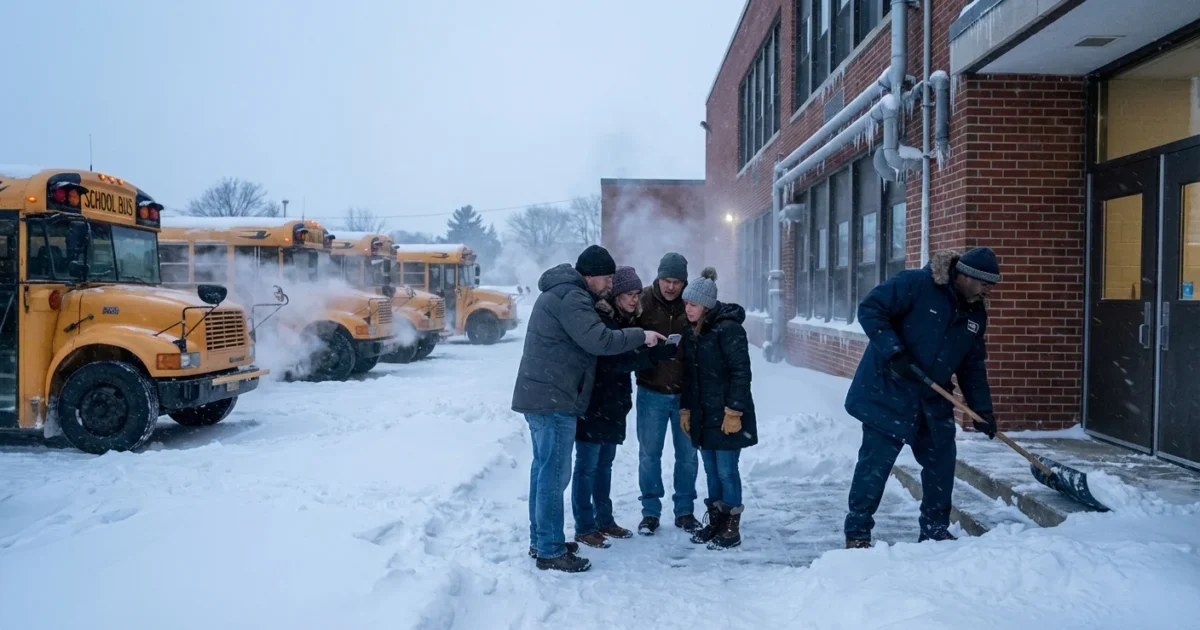
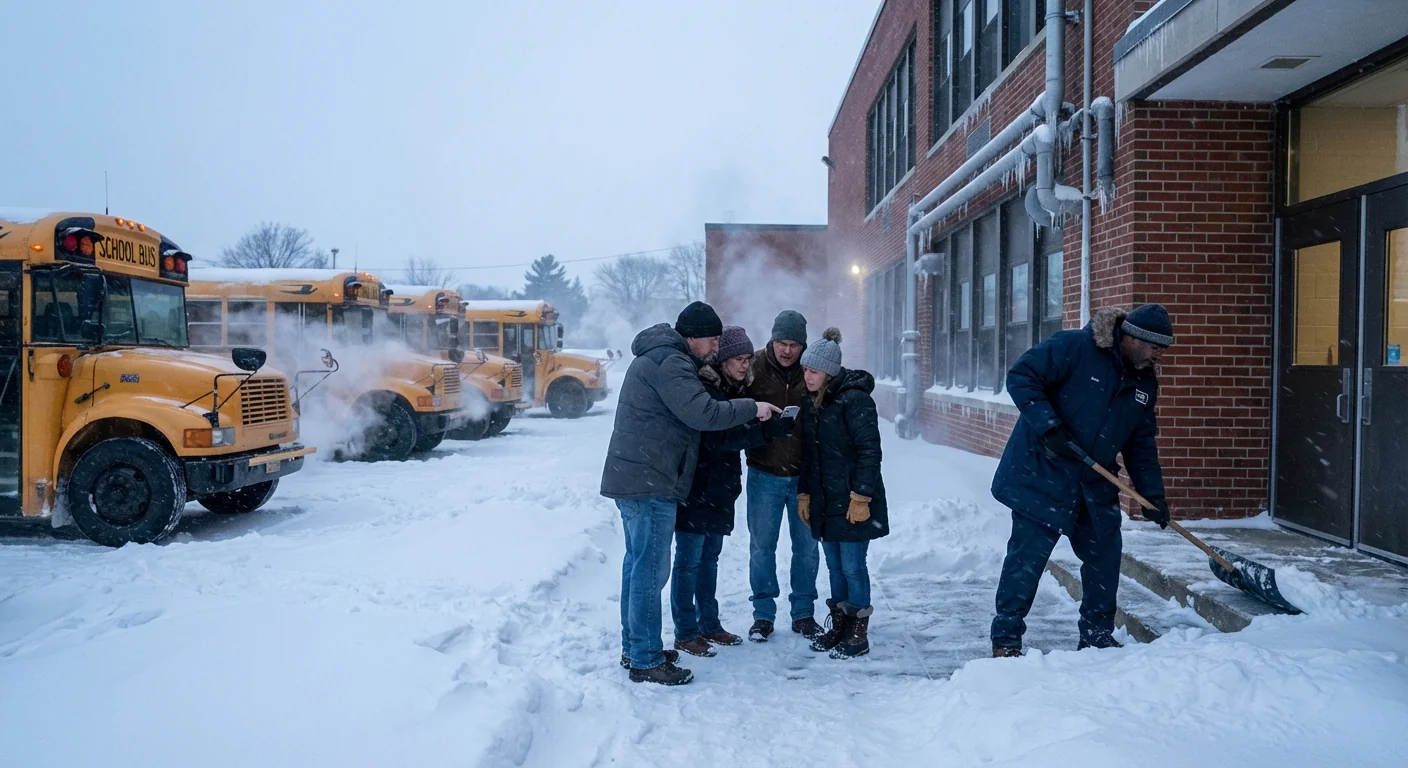
Transportation leaders tell me diesel buses struggled to start at pre-dawn checks. Facilities teams report slick school entrances, frozen pipes in a few buildings, and drifting snow on secondary roads. Superintendents moved early, issuing alerts before bus routes began.
Why extreme cold triggers a closure
Districts weigh several risk points. Wind chill is a big one. Long waits at bus stops in single-digit wind chills raise real concerns. Ice on untreated sidewalks increases slip risk for younger students. Cold also threatens bus performance, which can lead to route gaps and extended waits outdoors.
Nurses and operations chiefs also watch building conditions. If heat is inconsistent, a classroom cannot safely open. Add staff absences due to road conditions, and a delay or closure becomes the safer call.
Even 10 to 15 minutes in severe wind chill can cause numbness and possible frostbite, especially for young children.
How families should plan the day
Closures shift work and care plans in a flash. Treat today like a weather drill for your household. The goal is calm, clear steps.
- Confirm your district’s final status and transportation updates by email, text, and the district website.
- Notify your employer early. Request a remote option or a schedule shift if needed.
- Share a simple care plan with your child. Set times for meals, learning, and breaks.
- If you must drive, leave extra time. Expect slick spots around school zones and side streets.
Build a standing backup plan with one neighbor or relative. Exchange keys, pickup permissions, and emergency contacts now, not later.
Keep learning moving at home
A cold day does not need to be a lost day. Students can hold momentum with short, focused blocks. Aim for two to three learning bursts, 25 minutes each, with five-minute breaks.
- Read a book chapter, then write five key points in your own words.
- Review math with ten mixed problems, then check answers and redo two mistakes.
- Watch one science clip from your teacher’s portal. Summarize the main idea in three sentences.
- Older students can polish a resume or apply to one internship or scholarship.

Career and job market impacts today
Unplanned closures ripple through the workday. Hourly workers, caregivers, and school staff feel it most. Here is what I am seeing and the moves that help.
For parents and caregivers, employers are far more flexible about weather than five years ago. Ask for remote status for the first half of the day, or propose a split shift. Document the school alert and your plan. That reduces attendance risk for hourly roles. If you work in retail, hospitality, or healthcare, speak to your supervisor before the shift, not after.
For managers, today is a stress test of your emergency policy. Offer a clear choice, remote where possible or adjusted shifts. Prioritize outcomes, not seat time. Record today’s coverage gaps and update your staffing playbook for winter.
For educators and support staff, track hours, assignments, and any remote expectations. Ask HR if the district counts today as an inclement weather day with pay. Paraprofessionals and bus drivers should request cross-training or remote tasks, such as online compliance modules, so hours are not lost.
Students and early career workers can use today to advance applications. Submit one college essay revision. Send one networking email. Complete one credential module. Small steps compound, and winter often decides spring opportunities.
Where to get reliable updates
Use official district channels only. That means the district website, email and text alerts, and your school’s robocall system. Check again around mid-morning for any shift from delay to closure, or updates on athletics and aftercare.
Most districts refresh guidance by 5:30 a.m., then again between 9:30 and 11:00 a.m. Recheck before heading out.