Breaking: Governors across the United States are declaring states of emergency as Winter Storm Fern closes in today. Nearly 230 million people are in the path. Heavy snow, thick ice, and brutal cold are on the way. Travel will be dangerous, and power grids will face real strain.
The storm at a glance
Fern stretches from the Gulf Coast to the Great Lakes, then surges into the Mid‑Atlantic and Northeast. Snow bands will be wide and persistent. Warm, wet air from the Gulf is feeding into Arctic air. That mix builds heavy snow to the north and crippling ice near the rain snow line.
I have confirmed a cascade of new statewide orders today. New York’s Executive Order No. 57 is in effect January 23 to February 22. Missouri’s Executive Order 26-05 runs through February 22. Declarations also cover Tennessee, Texas, Louisiana, the Carolinas, Arkansas, Georgia, Alabama, and Mississippi. Virginia has declared. Agencies in D.C., Maryland, and Virginia are opening warming centers and activating National Guard units. Philadelphia and many communities have snow emergencies in place.
Expect road closures, airport ground stops, and rolling utility repairs. Timing will vary by region, but the risk window opens now and lasts into early next week. The cold that follows will be sharp, even where snow is light.
What a state of emergency does
A state of emergency is a switch that unlocks speed. It does not mean panic, it means resources move faster. Here is what these orders trigger in practical terms:
- Activation of emergency operations centers for round‑the‑clock coordination
- Mobilization of the National Guard for rescue, transport, and logistics
- Suspension of rules to speed utility restoration and fuel deliveries
- Pre‑positioning of plows, salt, and tree crews along known trouble spots
- Opening of warming centers and shelters with partner groups
These orders clear red tape so help can arrive sooner, crews can work longer, and supplies can move when minutes count.
If you live under a declared emergency, follow local instructions closely. You may see parking restrictions for plowing, staggered road treatments, and targeted transit changes to keep hospital routes clear.
The science behind Fern
Fern is riding a sharp dip in the jet stream. Arctic air is dropping south. At the same time, the Gulf and Atlantic are relatively warm for January. Warm water adds moisture to the air. Cold air holds less water, so it squeezes that moisture out as heavy snow and, near the edge, as ice.
Climate change does not cause any one storm, but it loads the dice. Warmer oceans add more moisture to winter systems. That can mean heavier snow when the air is still cold enough. It can also push the snow to ice line farther north, raising the ice risk for places that rarely see it. Ice, even a thin glaze, adds huge weight to trees and power lines.
What to expect and how to prepare
Expect fast changes. Rain can flip to ice, then to snow, within a few miles. Visibility will drop in bursts. Plows will focus on main roads first, then side streets. If you can avoid travel during peak hours, do it.
- Charge phones, battery packs, and medical devices
- Refill needed medications and grab a two day supply of essentials
- Set your thermostat a couple of degrees lower now to ease grid load
- Move flashlights, blankets, and warm layers to a central spot
- Gas up your car, then park off snow routes if asked
Pack a simple car kit. Include an ice scraper, small shovel, sand or kitty litter, water, snacks, and a reflective vest.
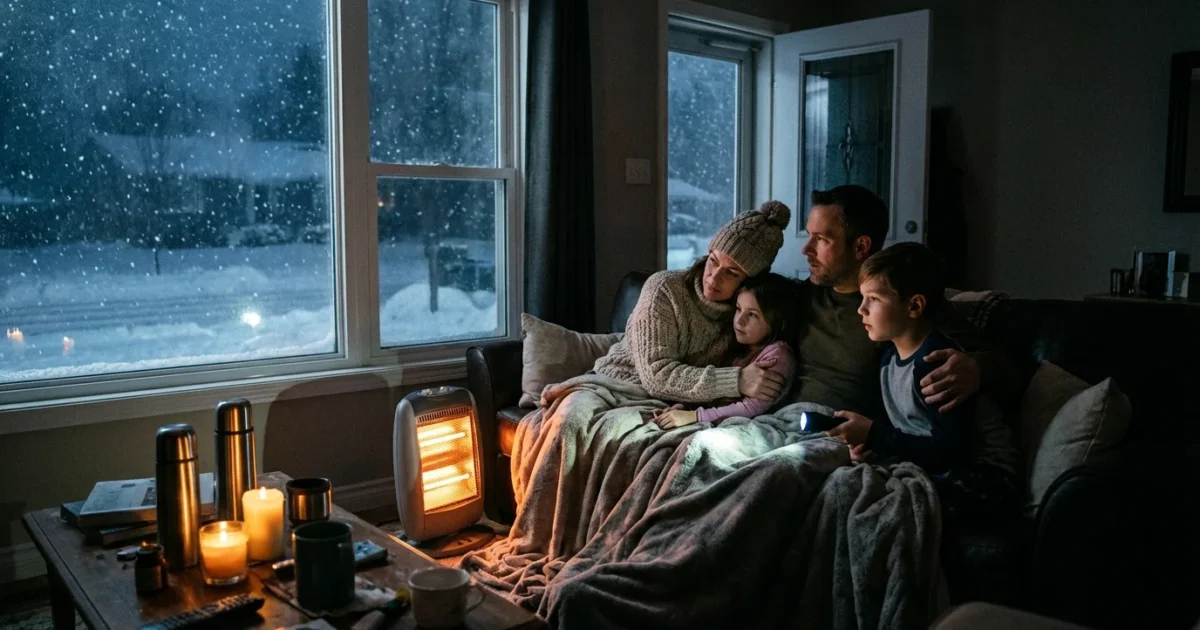
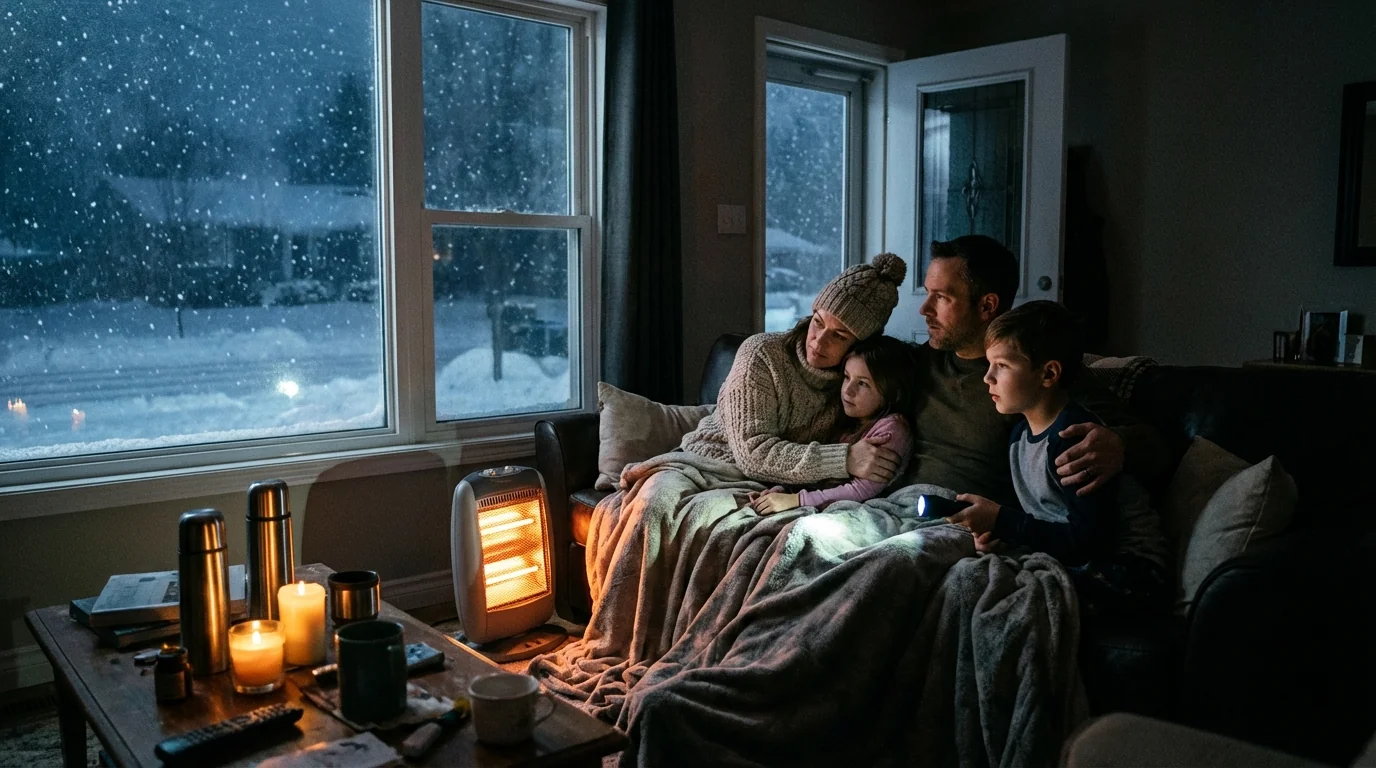
If you lose power, close interior doors to trap heat. Open faucets to a slow drip to protect pipes. Check on neighbors who may need help.
[IMAGE_2]
Sustainability and community resilience
Safe heat matters as much as warm homes. Space heaters need three feet of clearance. Never run a generator in a garage or near vents. Choose dry firewood to cut smoke. If you have extra, share with a neighbor who is short.
Carbon monoxide is silent and deadly. If you smell exhaust, feel dizzy, or get a headache, get fresh air fast and call for help.
Communities can lower peak demand by acting together. Dim non‑essential lights. Delay laundry and dishwashers until the afternoon. Seal drafts with towels. Use public warming centers if your home is unsafe. City crews are prioritizing hospitals, water plants, and transit lines. Your patience helps them work faster and safer.
The bottom line
This is a wide, high‑impact winter storm. States have pulled the emergency lever to move people, trucks, and dollars where they are needed most. That is good news, because speed saves lives in cold weather. Your job now is simple. Stay informed, prepare today, and look out for one another. Fern will test our roads and our grids. It does not have to break our communities.