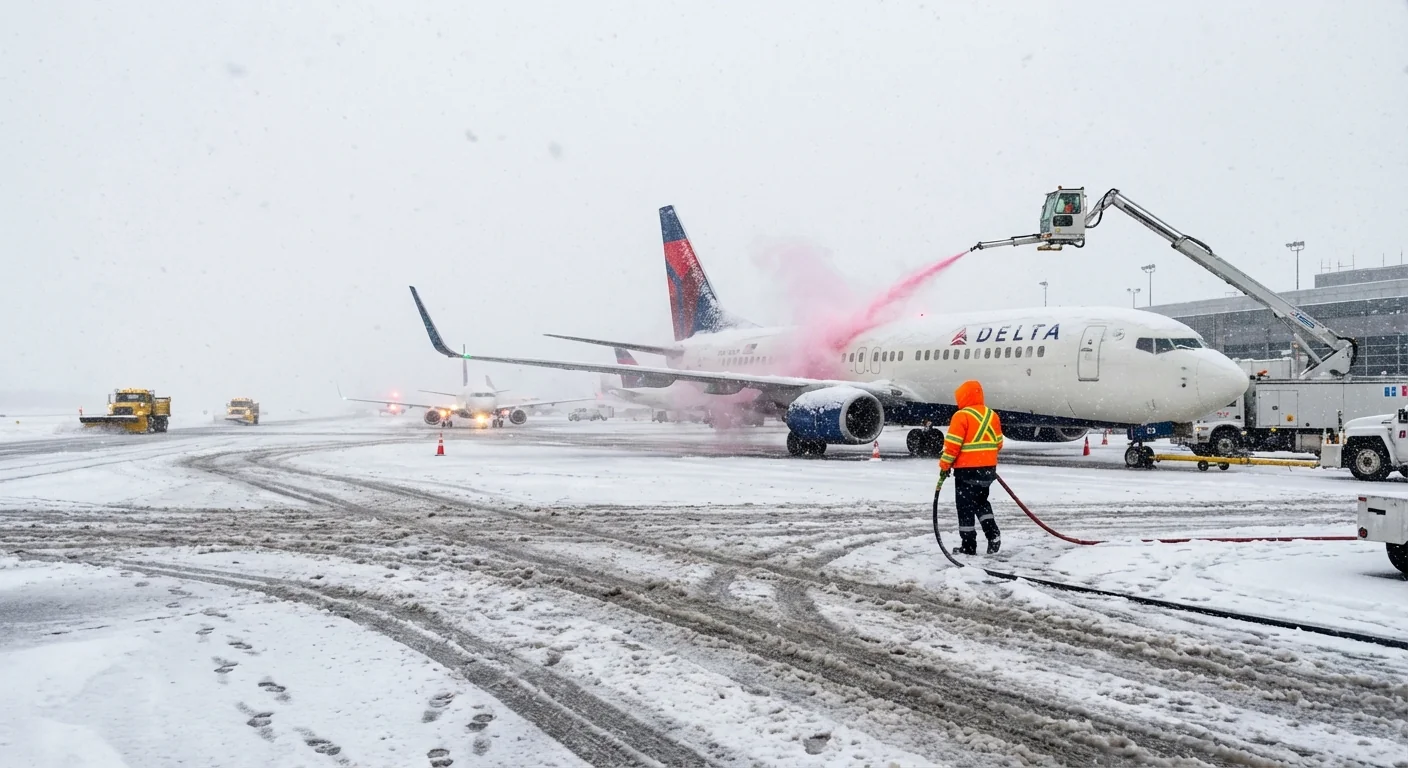
BREAKING: Delta flight status turns volatile as a fast moving winter storm slams the Northeast. Deicing lines stretch, crews time out, and runways get plowed again and again. If you are flying today or tomorrow, your Delta app is your lifeline. The weather is in charge, and the atmosphere is throwing heavy snow, brutal wind, and quick hitting ice at the busiest travel week of the year. ✈️❄️
Storm impact, in real time
I am tracking the storm band as it sweeps from the Ohio Valley into New England. The core of the system feeds on sharp temperature contrasts and deep moisture from the Atlantic. That mix means rapid changes at the gate. A flight that reads On Time at 8 a.m. can slide to Delayed by 8:15, then become Canceled by 9. Airport operations slow under deicing, wind gusts, and visibility drops. Expect ripple effects from Boston to New York, then farther south and west as aircraft and crews fall out of position.
If your plans run through major hubs, watch closely. New York area airports, Boston, and the upper Midwest are seeing repeated ground holds and longer taxi times. Flights into smaller regional airports are often the first to trim. That protects safety and keeps larger hubs moving at a crawl, not a stop.
What your Delta flight status really means
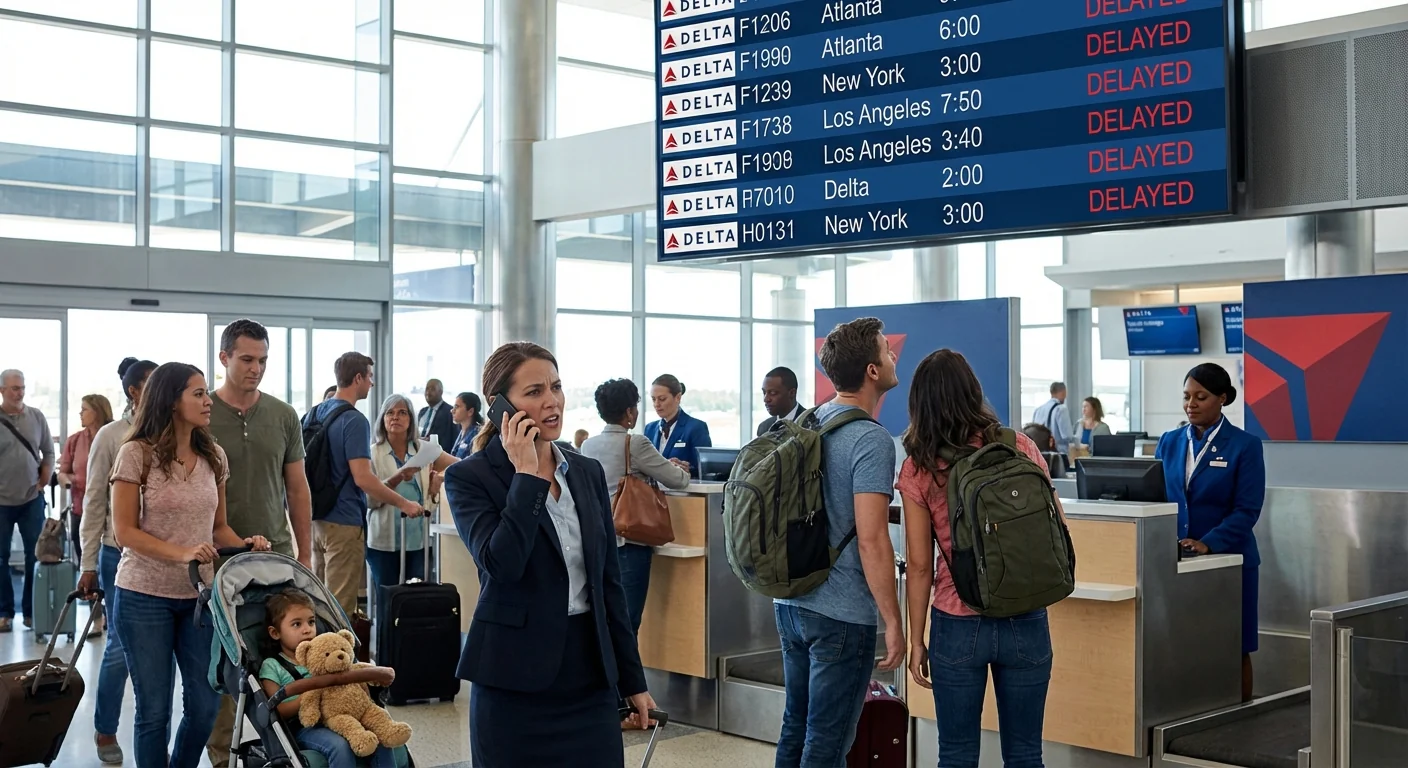
On Time, in this storm, only holds if winds and visibility behave. Delayed may update in 15 minute blocks, called rolling delays. That often means deicing or crew rest limits. Canceled means the airline cannot operate the flight within safety rules or within the window allowed by the airport.
Look for two key data points. Gate changes tell you which aircraft your crew is eyeing as a backup. Estimated departure times reveal whether the delay is weather, crew, maintenance, or incoming aircraft. A long push, more than two hours, often points to a wider weather control program at the airport.
Weather waivers let you change flights without a fee. Check the Delta app or website for your city pair and dates. Rebooking online is faster than phone lines during storms.
How to monitor and act fast
Here is the sequence that works when minutes matter.
- Open the Delta app, add your trip, and enable notifications. Refresh often.
- If Delayed, watch for a new estimated time and gate. Avoid leaving for the airport until the time stabilizes.
- If Canceled, try Same Day Change or Rebook in the app. Search alternate airports within 100 miles and be flexible on connection cities.
- Use the weather waiver window. Fare differences may be waived for the same cabin on new dates listed in the waiver.
- If you must travel today, arrive early, join the standby list, and speak with an agent when called. Stay patient, agents juggle many moving parts.
- Build a backup plan. Consider Amtrak in the Northeast, or coach lines, if roads are cleared and safe.
Check both legs of a connecting trip. Pack medications, chargers, and a power bank in your carry on. Keep a refillable bottle and snacks handy.
- Winter disruption pack: warm layers, gloves, hat, dried snacks, water bottle, charging cables, travel documents
Do not drive into freezing rain to chase a flight. Road ice forms fast, and rescue crews are stretched thin during a region wide storm.
Why the weather is this rough, and why it matters
This storm is classic late December. Cold air dives south, warm ocean air pushes north, and the jet stream guides the clash over the Northeast. The air is warmer than average for late December over the Atlantic, which adds moisture. Warmer air holds more water vapor, so when it lifts and cools, it dumps heavy snow or intense rain. Short bursts of heavy snow lower visibility to near zero. Wind gusts spread snow across runways again after plows pass.
Climate change loads the dice for heavier precipitation. The Northeast has already seen an increase in extreme rain and snow days. That means more frequent deicing lines, more icing risks aloft, and more ground delays when storms stack up. Airlines can plan, but physics still rules the sky.
Smarter, greener choices in a rough weather window
Weather safe decisions are climate smart too. Fewer takeoffs and landings reduce fuel burn. When you can, pick nonstop flights, they cut emissions and shrink the odds of missed connections. Trains cover many Northeast corridors well during storm lulls. If you must fly, pack light and choose economy seats, lower weight and space mean lower fuel per traveler. Offsets can help, but reduction is the better first step.
Delta and every carrier will prioritize safety. That includes crew rest, runway friction tests, and strict deicing cycles. These are not delays, they are safeguards. Respect those calls. They protect you, and they protect the people working outside in the cold.
The bottom line
Your Delta flight status will swing as the storm breathes. Refresh before you leave home, again at the curb, and at the gate. Use the waiver to move early, not late. Travel only if the roads and skies allow it. I will keep tracking the storm bands, the ground stops, and the rebooking windows. Stay warm, stay flexible, and keep your options open until the weather settles.