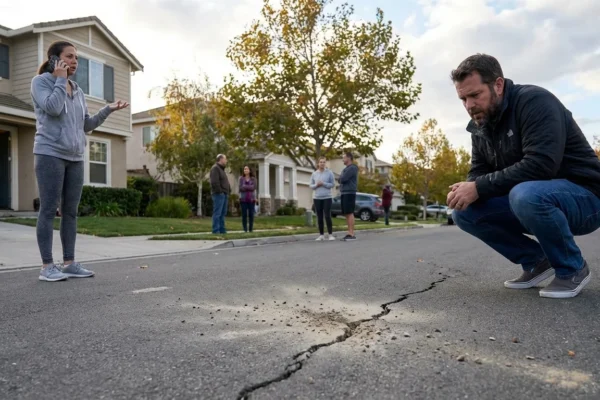
BREAKING: A magnitude 4.2 earthquake shook the San Francisco Bay Area today, centered near San Ramon. It was part of an active swarm that has produced more than 30 small quakes in recent hours. Shaking was felt from the East Bay to parts of San Francisco. Trains slowed. Dogs barked. Windows rattled. The ground kept talking.
What we know right now
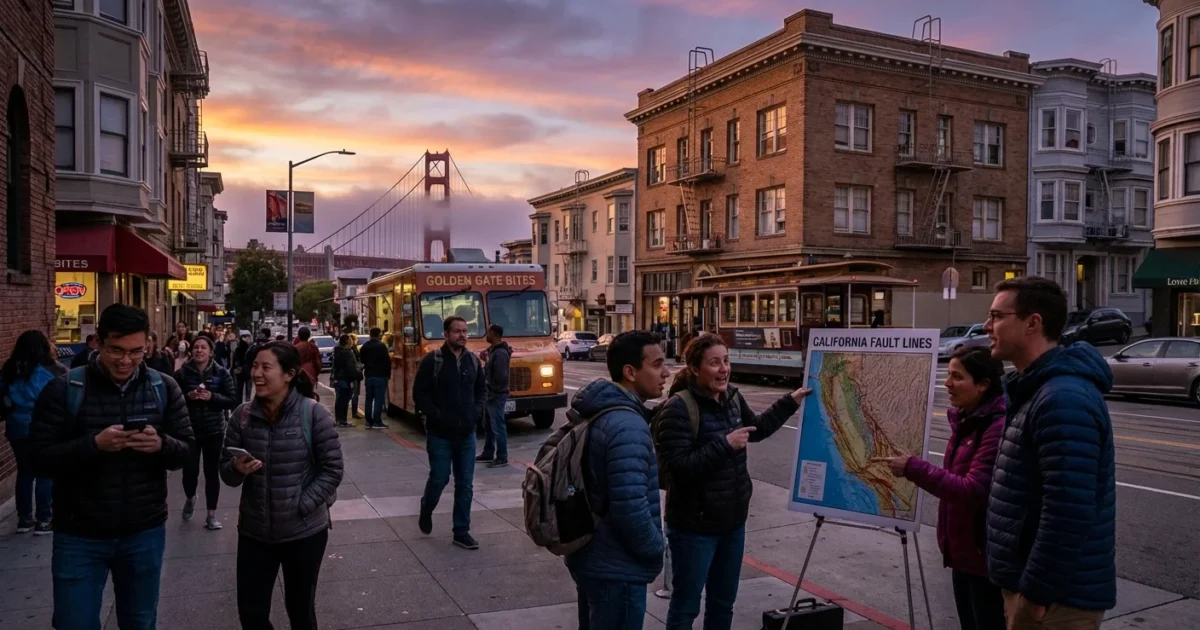
The epicenter sits near the Calaveras Fault, a well known system on the east side of the Bay. This fault often creeps, and it does host swarms. Today’s 4.2 stands out because it was wide felt and arrived amid steady rumbling. Instruments show a tight cluster, shallow and close together, that continues to evolve. More minor tremors are possible. A few may be felt.
This is not a typical mainshock-aftershock sequence. It is a swarm, a burst of small quakes over a short time. Swarms can fade in hours or days. They can also shift location along the fault. Most swarms do not lead to a larger quake. That said, the crust is active. Stay ready.
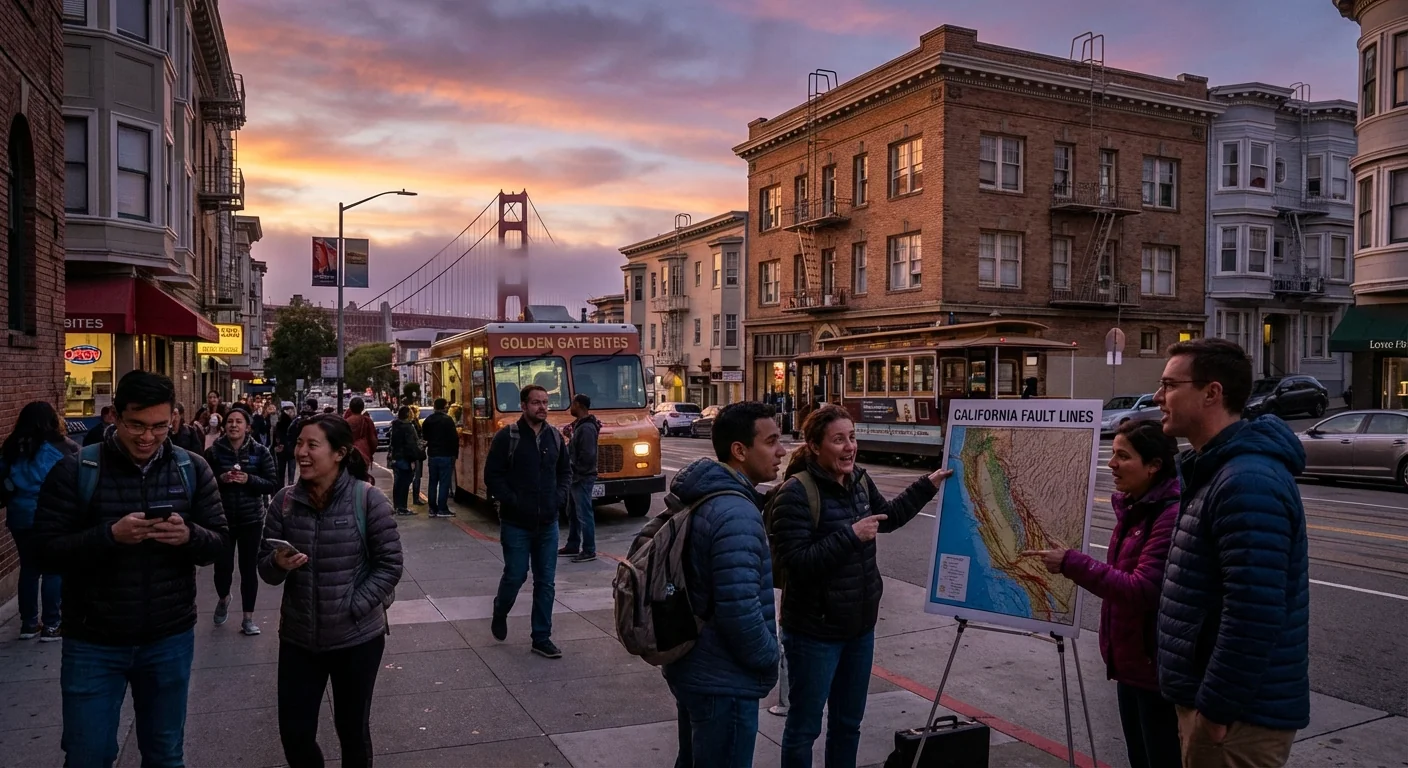
⚠️ During shaking, drop, cover, and hold on. Stay away from windows. If outside, move clear of power lines and facades. If you receive an alert, use those seconds to protect yourself.
Why a swarm here is not a surprise
The Calaveras Fault runs through the East Bay hills. It links with the Hayward system to the north and the San Andreas farther west. This network releases stress in many ways. Big quakes happen, but so do slow slip and swarms. San Ramon and Danville have seen episodes like this before. The ground here is segmented and complex, which favors clusters.
Swarms tell us stress is shifting. They do not tell us when a big rupture will happen. Today’s sequence fits the known style of this fault. It is a reminder to prepare, not a reason to panic.
Bay soils and where shaking hits hardest
Shaking is not the same everywhere. Soft bay muds along the shoreline can amplify motion. Old marshlands and filled areas, like parts of the Embarcadero and the South Bay, can shake longer. Liquefaction can occur in saturated sands, causing the ground to behave like a liquid. Hillsides can shed rocks when jolted. Know your ground conditions. They matter.
Weather, climate, and the risks that layer on
Earthquakes are driven by plate motion, not by weather. Still, climate can shape the impacts. Wet winters load water into hills and creeks. That adds weight and loosens soils. When the ground shakes after weeks of rain, small slides are more likely. Dry spells crack soils and stress trees. Then, a burst of rain and a jolt can bring branches down and clog drains.
Sea level is rising. High tides push water into low lying edges of the Bay. Shaking in these zones, where the water table is high, can raise the risk of liquefaction. As climate extremes swing from very wet to very dry, the landscape gets more fragile. The smart move is to build for both, quake and climate, at the same time.
What monitoring can and cannot tell us
Sensors across the region are watching the swarm in real time. We can map the cluster, measure depths, and track how energy moves. We can estimate whether shaking may continue today. We cannot forecast the exact time or size of a future quake. No network can.
Early warning can give a few seconds of heads up when a larger jolt starts to travel. Those seconds save lives and equipment. Make sure your phone’s alerts are on. Rail, hospitals, and utilities tie these alerts to automatic safety steps. That cuts damage and downtime.
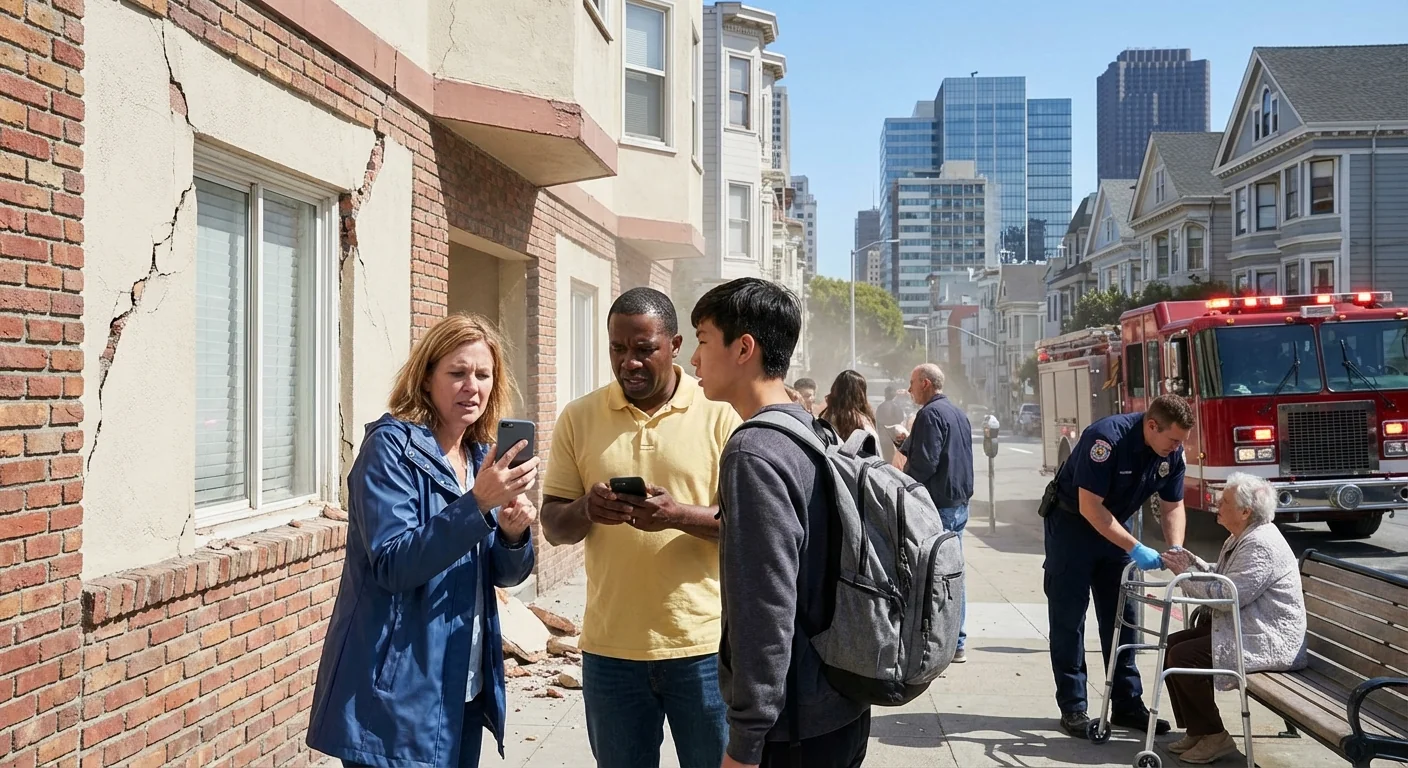
📱 Quick preparedness wins today
– Secure bookcases and the water heater.
– Stash water, food, meds, and a flashlight.
– Keep shoes by the bed to avoid broken glass.
– Know how to shut off gas only if you smell a leak.
Building resilience is climate action
Stronger, safer buildings use less energy after a quake because they avoid long repairs. Seismic retrofits protect homes and small businesses, which keeps neighborhoods stable. Clean backup power, like solar plus batteries, keeps fridges cold and medical gear running when the grid trips. Greening streets with more trees cools heat waves and catches stormwater, which also lowers slide risk on steep blocks. Resilience is a system. Every step helps the next one.
The bottom line
Today’s 4.2 near San Ramon is a clear wake up. The swarm is active, and more light shaking is possible. This is normal behavior for the Calaveras Fault. What happens next depends on how the stress unfolds. What you do next is simple. Protect yourself during shaking. Check your kit. Secure your space. In a region shaped by faults and a changing climate, readiness is power. We will keep watching the sequence and report updates as they develop.