Ice was lighter than feared, but road risks are not. I am tracking a hard freeze across Houston and Southeast Texas tonight, and the threat is shifting. The sun helped a little today. Now refreezing is building again as temperatures plunge. Black ice is developing on bridges and overpasses. Travel remains dangerous and closures are changing hour by hour.
What I am seeing on the roads
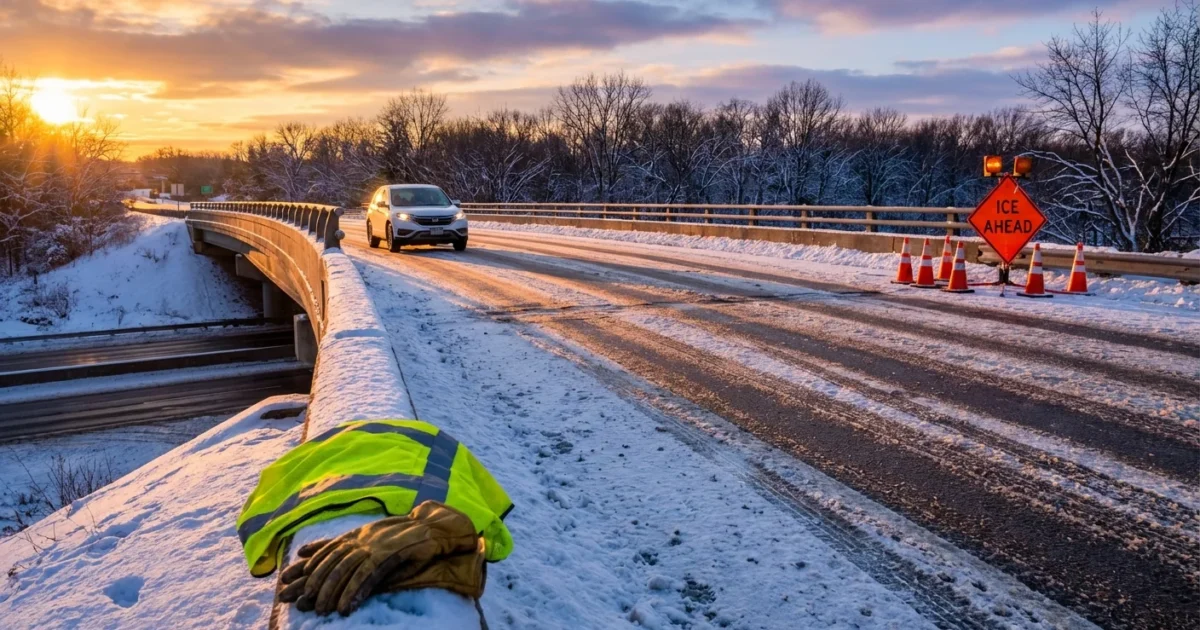
Elevated roads are the problem spots. Thin, glassy patches are forming first on ramps, flyovers, and bridges. Shaded stretches that never thawed are also slick. Mainland lanes look dry in the sun, then glaze over in the dark. That is how crashes happen.
Crews are targeting bridges for treatment, not every mile of freeway. Expect rolling closures and quick changes as temperatures fall through the evening. If you must drive, slow way down and give yourself room to stop. Assume every bridge could be icy, even if it looks fine. ❄️
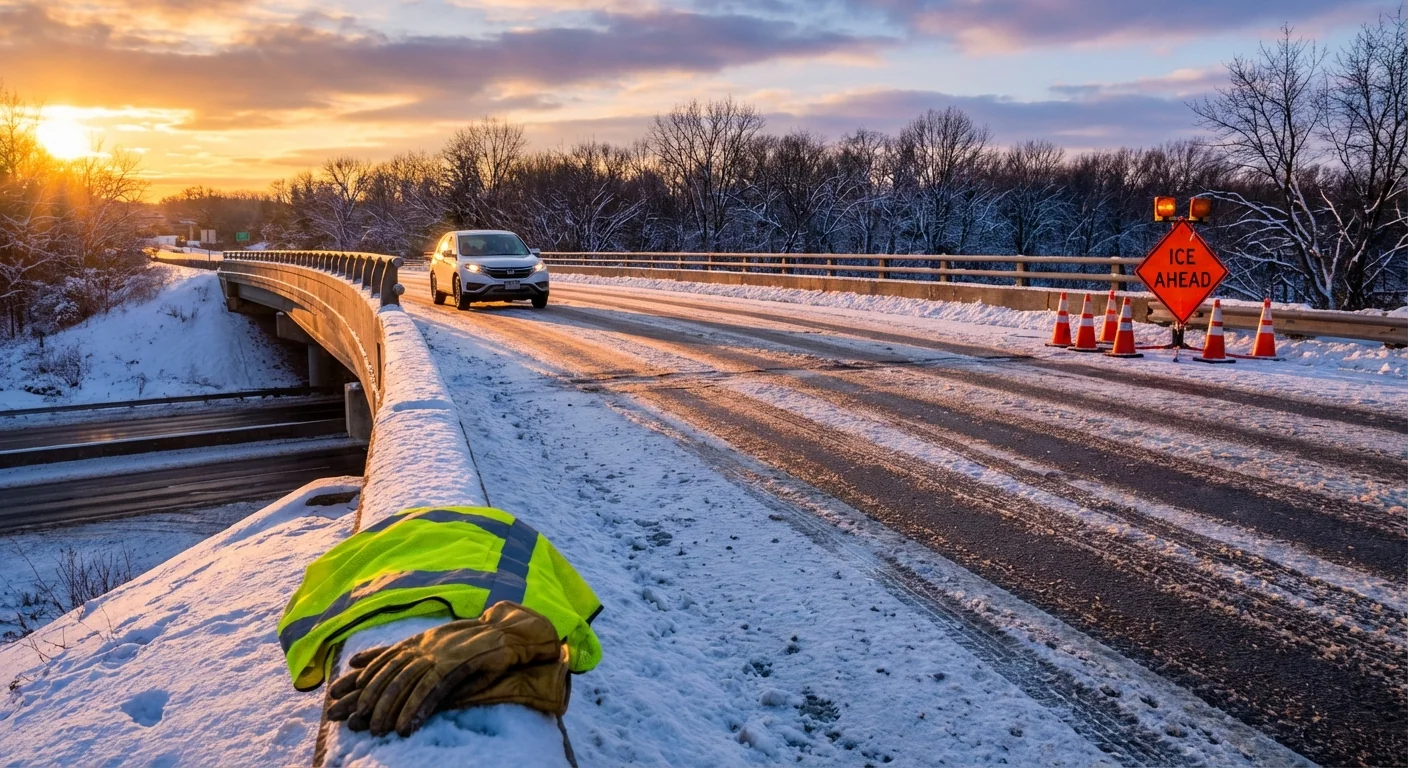
Black ice forms without texture or color. You will not see it before you feel it. Avoid travel after sunset if you can.
Why this freeze behaves this way
This cold blast dropped straight from the Plains into warm Gulf air. The air is very dry and very cold. That pulls heat from road surfaces fast. Elevated concrete sheds heat quicker than ground level lanes, so it freezes first.
Houston’s winter now swings harder between warm and bitter cold. Climate change is stacking the deck for bigger temperature whiplash. The Arctic is warming faster than the mid-latitudes. That can nudge the jet stream into wider meanders, opening the door for brief but sharp southern freezes. Our ice events are still short, but the snap is intense. That is why refreezing tonight is such a threat, even with little daytime ice seen on main lanes.
How to check road conditions near you right now
You need hyperlocal info during a freeze. Conditions can change in minutes. Here is how to get a clear picture before you turn the key.
- Open the TxDOT Houston traffic map and cameras. Look at your exact route, especially bridges and ramps.
- Check county and city emergency updates. Harris County, Fort Bend, Montgomery, and Galveston post closures and advisories.
- Use a navigation app with hazard reports, but verify with official closures before committing to a route.
- Keep a local TV weather stream or NOAA Weather Radio on for live alerts and temperature drops.
Travel is safest in early to mid afternoon when surfaces warm a touch. Overnight and dawn are the worst windows. Expect fresh ice toward sunrise, even if roads looked wet at 10 p.m.
If you must drive, disable cruise control, double your following distance, and brake gently. Pack water, a blanket, phone power, and a small bag of sand or kitty litter for traction.
Routes and times that pose the most risk
I am flagging several common trouble spots in this pattern. These are not the only hazards, but they ice first and clear last.
- Major flyovers along the I 610 Loop, the Ship Channel Bridge, and ramps near the Galleria
- Elevated stretches of I 45 through downtown and near Greenspoint
- I 10 overpasses east of downtown toward Channelview and west toward Katy
- Grand Parkway bridges over bayous and bottoms, plus rural FM bridges with shade
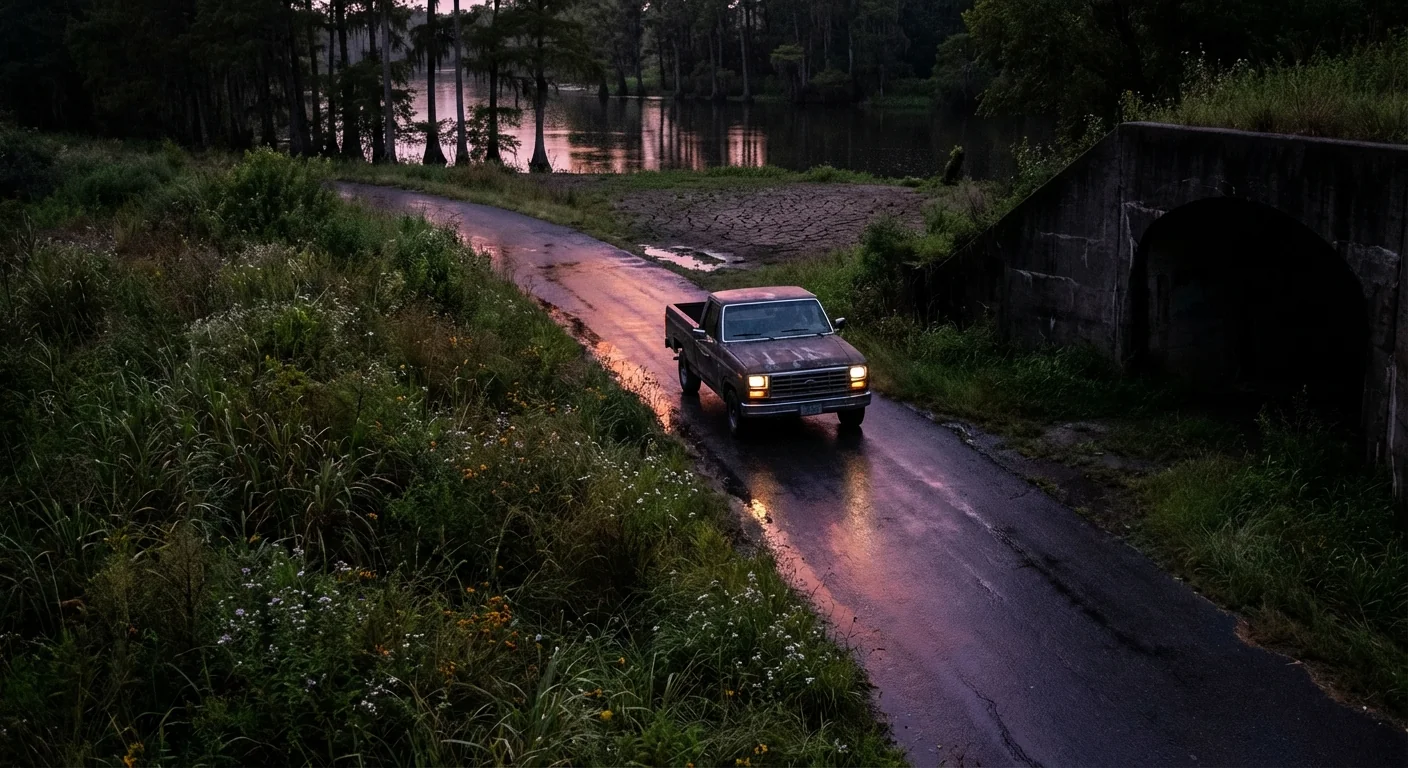
After sunset, watch shaded feeder roads near bayous and underpasses. During daylight, expect improvement, but do not let your guard down on bridges. A lane can be dry on one side of town and slick on the other.
The environmental angle, and why your choices matter
Every avoided trip tonight is a safety win and an emissions cut. Idling in traffic during a freeze dumps exhaust and wastes fuel. It also increases exposure for tow and road crews working in the cold. Fewer cars on the road means fewer crashes, fewer chemical treatments, and less runoff into bayous.
Cities are using sand and brine sparingly to protect waterways. Salt works slowly in very cold air. Sand adds grip with less harm to soils and plants. At home, skip rock salt on your driveway. Use sand or kitty litter, then sweep it up when the thaw comes. Keep your thermostat reasonable, near 68 if you can, to ease stress on the grid and reduce your carbon footprint. Small moves, big effect. 🌱
Bottom line
Road conditions near you are shifting fast with the hard freeze. Ice amounts were lower than expected, but the risk tonight is stealthy refreeze and black ice on elevated roads. Plan for the safest daylight window. If you must travel, check cameras and official closure lists before you go. Expect targeted shutdowns and slowdowns to continue into the morning. I will keep watching the temperatures, the bridges, and the closure boards. Stay patient, stay warm, and give crews space to work. We get through this by slowing down and looking out for each other.