Freezing fog is glazing parts of the Southeast and Mid-Atlantic this morning, turning commutes into a slow crawl and sidewalks into surprise ice rinks. The mix is eerie and hazardous. Fog thick as smoke, temperatures below 32, and a thin, nearly invisible coat of ice that forms the moment droplets touch a cold surface. That is why it is trending, and why safety comes first right now.
What is freezing fog, really?
Freezing fog looks like regular fog, but it is colder and more dangerous. Inside the fog are tiny, supercooled droplets. They are liquid, even though the air is below freezing. When they land on roads, bridges, trees, and power lines, they freeze on contact. The result is a clear glaze, often called black ice, that is hard to see and easy to slip on.
Think of it as fog that carries instant ice. Visibility drops. Traction disappears. Routine tasks, like crossing a parking lot, suddenly need extra care.
[IMAGE_1]
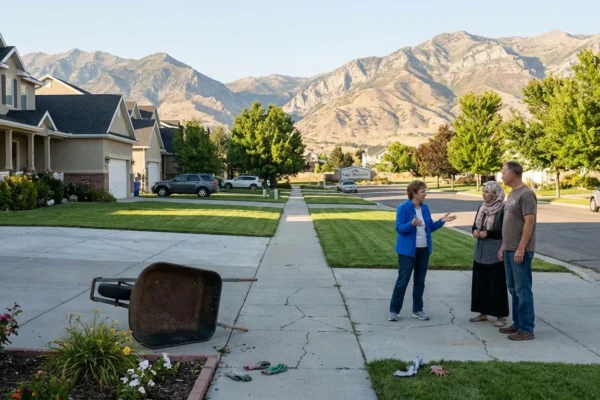
Freezing fog can make roads and walkways slick without looking icy. Slow down, and watch your step.
Why it is happening now
The setup last night was textbook for freezing fog. Skies cleared and winds calmed, so heat escaped from the ground. Meteorologists call that radiational cooling. Temperatures at the surface fell below freezing, while low-level moisture stayed trapped near the ground. Then an Arctic air mass slid in, locking the chill in place at sunrise.
When the sun breaks through later this morning, ice should start to melt in many spots. Until then, the combination of cold pavement, trapped moisture, and very light wind is a perfect recipe for glaze.
Who is affected this morning
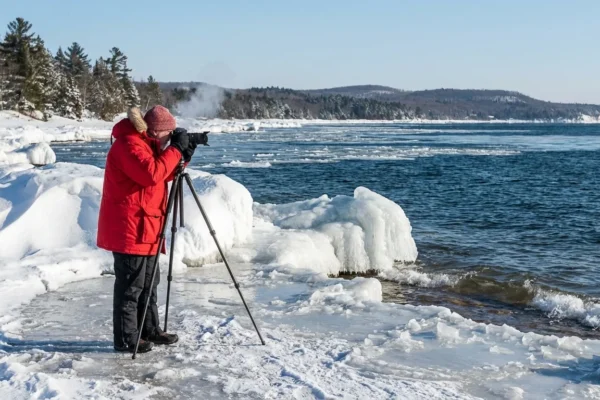
Advisories are stacked across several states. Middle Tennessee, central Virginia, and parts of North Carolina woke to freezing fog alerts and very low visibility. Dense fog advisories are posted in parts of north and central Georgia and central Alabama, where temperatures are near or below freezing in some valleys. Some locations in the DC, Virginia, and Maryland region also reported slick spots and thick fog.
Most advisories are set to expire by mid to late morning, but timing varies by county and elevation. Bridges, ramps, shaded roads, and untreated surfaces are the biggest trouble spots. Road crews are out early on major routes, but neighborhood streets and sidewalks may stay icy longer.
[IMAGE_2]
Safety first, then sustainability
If you can delay travel this morning, do it. If you must go, drive like the road is icy, because it probably is.
- Use low-beam headlights, leave space, and avoid sudden braking.
- Reduce speed on bridges and overpasses, even if the road looks wet.
- Step carefully on porches and sidewalks, and use handrails.
- Watch for road crews and give them room to work.
Keep a small bag of sand or kitty litter in your car. It adds traction under tires and on front steps.
Freezing fog is also a resource issue. Energy demand spikes on cold mornings. That increases stress on grids, especially when heaters cycle on at the same time. Road salt and sand help, but they wash into streams and soils later. Smarter use matters. Targeted treatments on bridges and high-risk curves reduce salt loads while keeping people safe.
The climate signal in a foggy morning
One foggy morning does not prove a climate trend. Still, the backdrop matters. Warmer oceans and a warmer atmosphere hold more moisture. That can charge up fog and low clouds when cold air arrives. Arctic air intrusions still happen in a warming world. What is changing is the moisture available to interact with that cold. That can mean more frequent events where visibility crashes and ice forms quickly.
Scientists are also studying how a shifting jet stream can stall clear, calm nights over moist ground. That pattern sets the stage for events like today. The safest approach is to plan for sharper swings, from warm to cold, wet to icy, within a day or two.
Reduce salt where you can, and choose eco-friendlier deicers on your property. Look for products labeled safe for pets and plants.
[IMAGE_3]