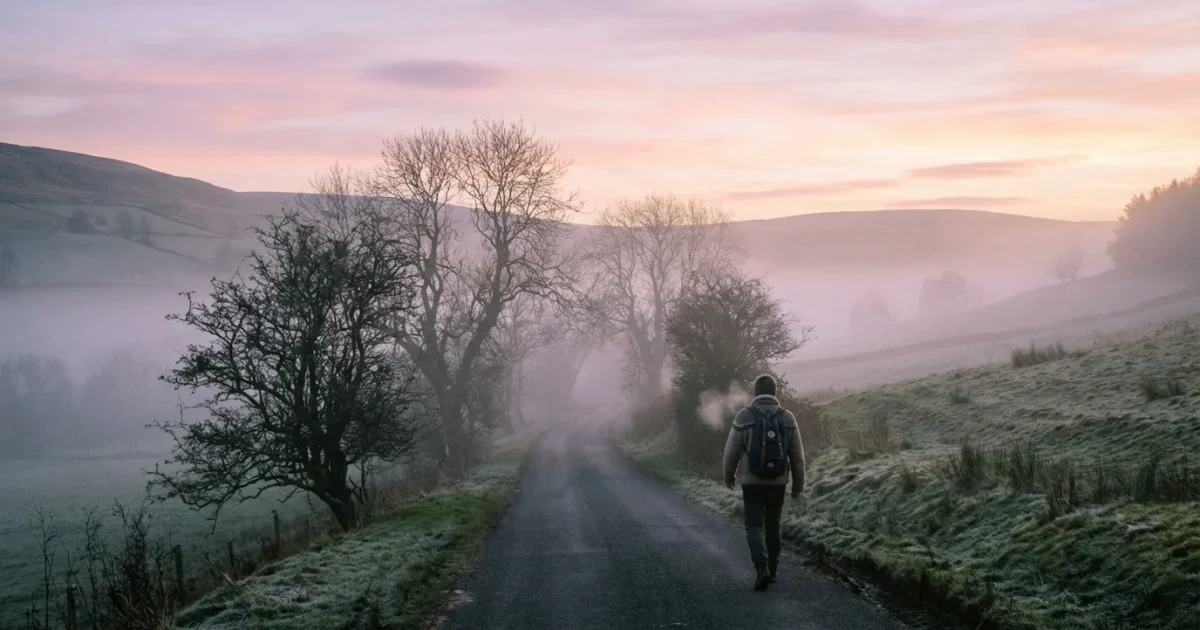
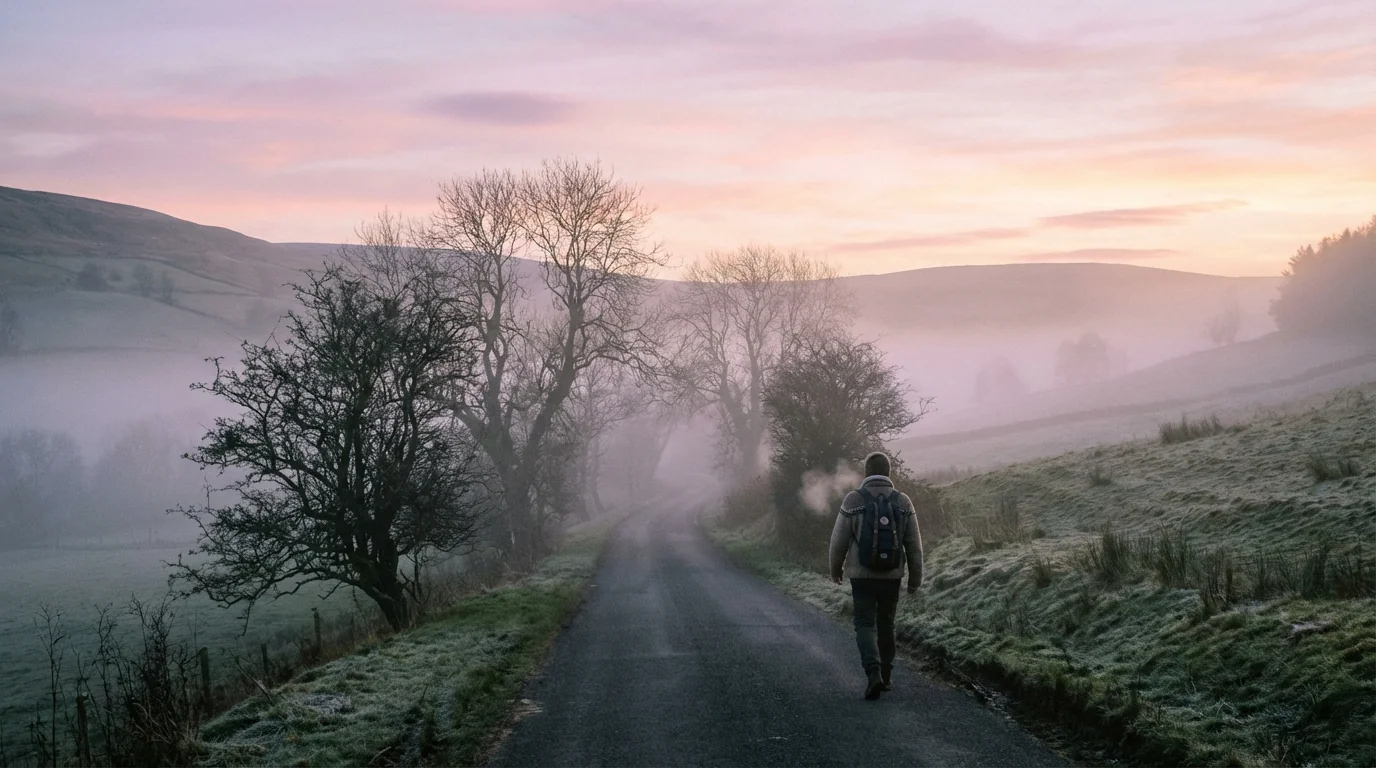
Dense fog has settled hard over Douglas County this morning, slowing traffic and dimming the valley floor. Visibility sits near one quarter mile or less. Drivers are creeping through a gray wall. At the same time, stagnant air is holding smoke and exhaust close to the ground. That is a rough mix for lungs and for roads.
What is happening now
A Dense Fog Advisory remains in effect for the valleys of Douglas County until 10:00 AM PST Wednesday, January 21, 2026. The worst visibility is in low spots, near rivers and sloughs, and along shaded corridors. Travel is hazardous. Even familiar routes are tricky inside this thick, uniform cloud.
An Air Stagnation Advisory continues until 4:00 PM Wednesday. Winds are very light. The atmosphere is capped by a strong inversion. Pollution is building near the surface. If you have asthma, COPD, or heart disease, today is not the day to push it outside.
Visibility of one quarter mile or less is dangerous. Slow down, use low beams, and leave extra space.
Why the fog is so dense today
This is classic winter radiation fog. Skies cleared overnight, so the ground lost heat quickly. The air near the surface cooled to the dew point. Water vapor condensed into millions of tiny droplets. With almost no wind, those droplets stayed put and thickened before dawn.
A temperature inversion is locking the fog in place. Warmer air sits above cooler valley air. That lid blocks mixing. It also traps fine particles from cars, wood stoves, and industry. Those particles give fog more surfaces to cling to, which makes it denser and longer lasting.
A warming climate is loading more water into the air. Winters now carry more moisture during mild spells. That can prime valleys for thicker fog when clear, calm nights line up. At the same time, stagnant patterns can last longer, which holds pollution in place. Regional trends vary, but the risk during stagnation events is rising.
[IMAGE_2]
Travel and health, what to do now
Fog is not just low clouds. It changes how you judge speed and distance. It hides cross traffic and curves. It amplifies glare and fatigue. Stay sharp and give yourself time.
- Reduce speed, use low beams, and avoid high beams
- Increase following distance and do not use cruise control
- Brake gently, avoid sudden lane changes, and watch for black ice
- Scan for pedestrians, bikes, and animals near the shoulder
Clean your windshield inside and out. Use defogger and wipers. If you must pull over, get well off the road and turn on hazards.
Air stagnation raises particle levels. That can irritate airways and increase the risk of heart stress. The smallest particles can get deep into the lungs and the bloodstream. Wood smoke and cold morning exhaust are key sources today.
- Check local air quality before outdoor activity
- Run a HEPA purifier or a DIY box fan filter indoors
- If you are sensitive, consider a well fitted respirator mask 😷
Limit wood burning and idling. Fewer emissions now can mean clearer air later this afternoon.
A global snapshot, same playbook in India
Dense fog is also gripping parts of India this week. A yellow alert is in effect across Delhi and the National Capital Region from January 20 to 22, with visibility in the 200 to 500 meter range. Advisories continue in parts of Uttar Pradesh and Bihar through January 21.
The setup is familiar. Cool nights, high humidity, and light winds build fog on the Indo Gangetic Plain. Urban pollution and farm smoke seed the droplets, which strengthens and prolongs the fog. The impacts are the same, slower highways, disrupted flights, and higher health risks for vulnerable groups.
What to expect next
Across Douglas County, the fog should start to lift late this morning as the sun warms the surface. Expect stubborn patches in wind sheltered valleys. Haze will likely linger until mixing improves by mid to late afternoon. If skies clear and winds stay light again tonight, patchy dense fog can redevelop before dawn.
Plan for a slower commute now and again early Thursday. Keep masks and an extra layer in the car. Top off washer fluid and fuel.
Conclusion: This morning is a two front challenge, poor visibility and trapped pollution. Patience on the road protects everyone, and simple choices protect your lungs. As winters trend warmer and wetter at times, stagnant fog events can hit harder. We can adapt, drive with care, cut emissions on stagnant days, and give our communities the clearer, cleaner air they deserve. 🚗