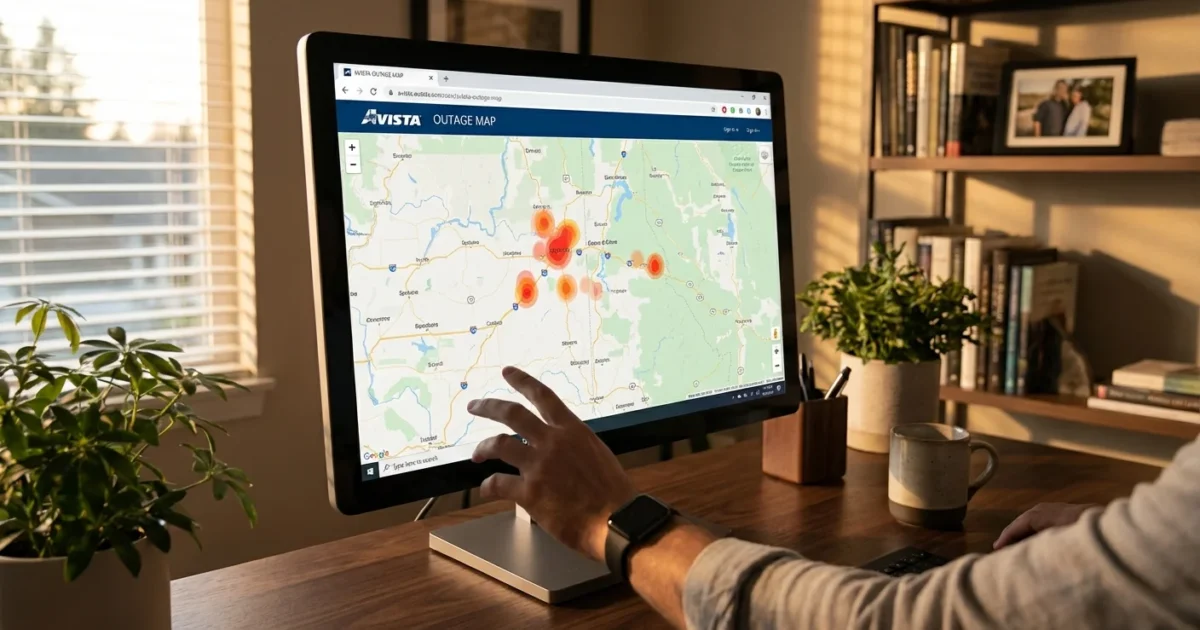
A fierce windstorm ripped across eastern Washington and North Idaho overnight, toppling trees, snapping poles, and cutting power to tens of thousands. The Avista outage map has become the live nerve center this morning, the place residents are using to track repairs and find answers. ⚡
Where the lights are out, and why it matters
As of this morning, Avista reports about 71,600 electric customers without service, spread across more than 916 separate outages. Northern Lights, a neighboring utility, has more than 11,000 customers out as well. The damage footprint is wide, from the Spokane area through the Palouse and into North Idaho. Tree fall is the main driver. Saturated soils and strong gusts let roots slip and limbs shear.
This storm rode a tight pressure gradient, which is why the wind arrived hard and fast. The setup is classic for December in the Inland Northwest, but the context is changing. Warmer falls load the atmosphere with more moisture. That leaves soils soggy and trees more likely to fail when the wind peaks. The result is what we are living through now, many small outages layered on top of big line hits, and a busy map full of red and orange clusters.
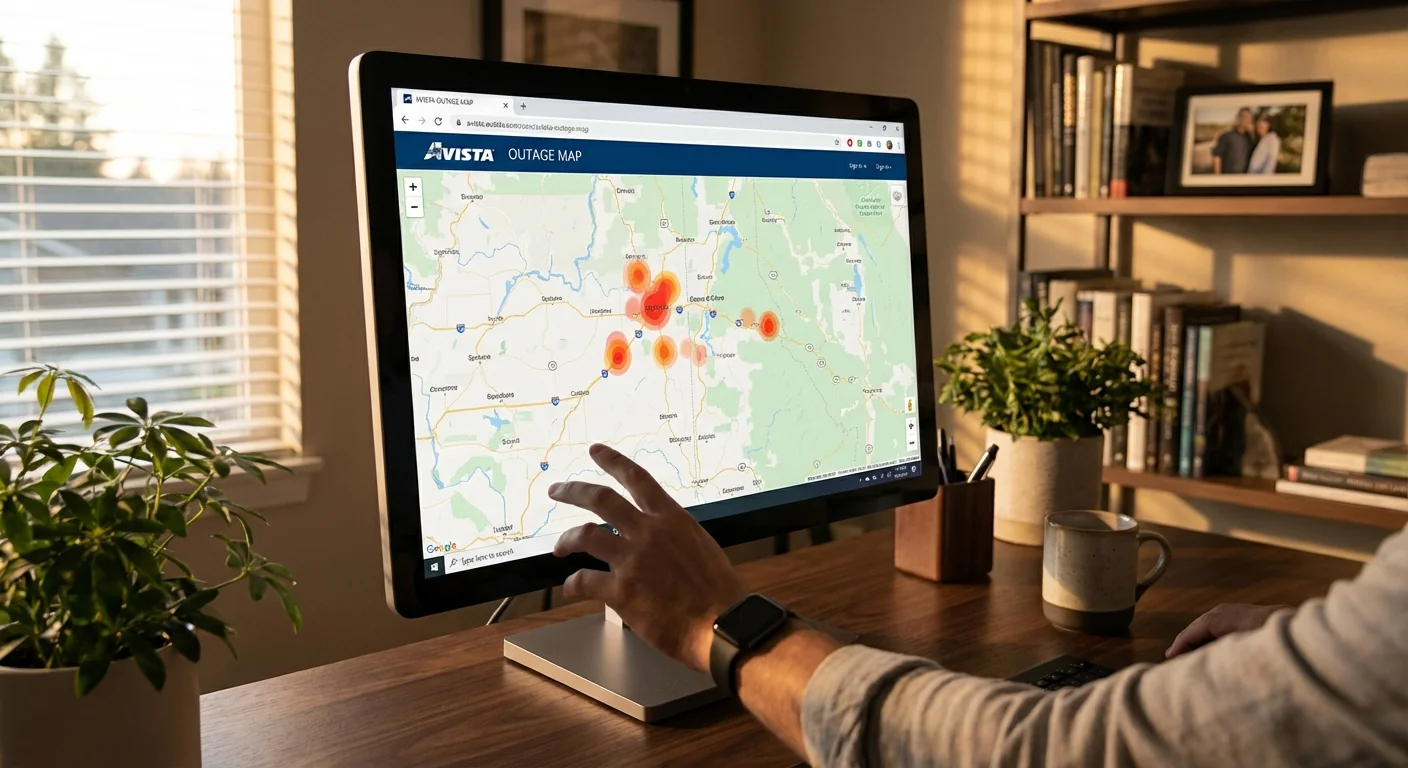
How to read the Avista outage map right now
The outage map updates throughout the day with field reports from crews. You will see clusters by area, counts of customers affected, and estimated restoration times where damage is known. In fast-moving events like this, the first updates focus on scope and hazards. Many locations will show “assessing” before timing appears. That is normal on day one of a major wind event.
Refresh the map often. Estimates change as patrols reach lines, roads reopen, and new damage is found.
If you do not see your home listed, still report your outage. Individual service lines can trip without showing on the larger cluster. The map is a guide, not a guarantee. It reflects what crews can safely confirm in the field.
What crews are doing and why it takes time
Avista has mobilized a large response. Forty five Avista line crews, each about four linemen, are on the job. Six contract line crews are adding capacity. Forty vegetation crews are cutting access, clearing spans, and making sites safe so lineworkers can rebuild. Damage assessments may take 24 hours or longer. Some restorations will run through multiple days where trees broke poles or tore down long spans.
The work follows a clear order. Transmission lines and substations come first, then feeders that serve the most customers, then neighborhood taps and single-service repairs. Critical facilities like hospitals and public safety sites are prioritized. In some corridors, safety rules require patrols before re-energizing lines. That can extend some timelines, but it reduces the risk of hidden faults and secondary fires.
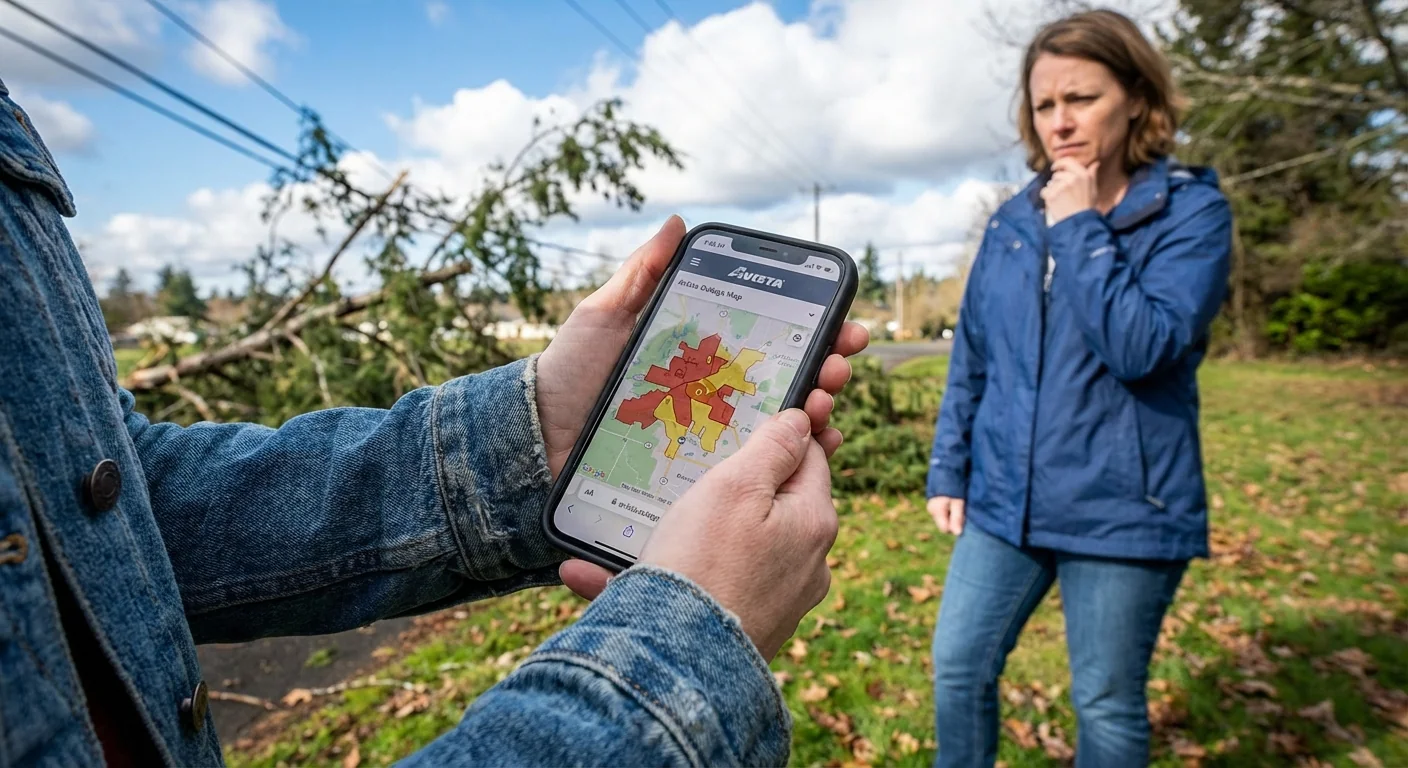
Treat every downed line as live. Stay at least 35 feet away. Do not move tree limbs on wires. Call 911 for hazards.
Safety first, then speed
The safest choice may feel slow, but it prevents injuries when the grid is unstable. Please use these steps while you wait for restoration:
- If you use a generator, run it outside, far from doors and windows.
- Keep fridge and freezer closed to protect food.
- Unplug sensitive electronics to avoid surges.
- Check on neighbors who rely on medical devices.
Never use grills or camp stoves indoors. Carbon monoxide is odorless and deadly.
Local governments and nonprofits are preparing warming centers today. Check your county emergency management page, city updates, and local libraries for locations and hours. Some community centers offer charging stations when power is down.
The climate story behind the wires
Windstorms are a fact of life here. What is changing is the background state. Warmer air holds more water, which boosts heavy rain episodes. That soaks soils and weakens root grip, so more trees fail in high wind. Hotter summers also stress forests, then winter wind finishes the job. The grid that was built for past weather now meets a new mix of extremes.
Resilience is possible. Faster sectionalizing can isolate damage. Smarter switches can reroute power around breaks. Strategic undergrounding in tree corridors can cut outage hours. Targeted vegetation work, paired with healthy urban forestry, lowers risk without stripping shade that reduces summer heat. Today’s storm is a blunt reminder. Investment matters, because the wind will return.
What to expect next
Many customers will see power return within 24 to 48 hours. Others, especially in hard hit pockets with broken poles or blocked access, may wait several days. Road crews are clearing debris, but fresh gusts could bring down weakened limbs. Keep devices charged when you can, and plan for cold nights with extra layers and safe heating.
We will continue to monitor the grid and update as crews close out assessments and move into rebuild mode. The outage map will remain the fastest way to see progress down to your street.