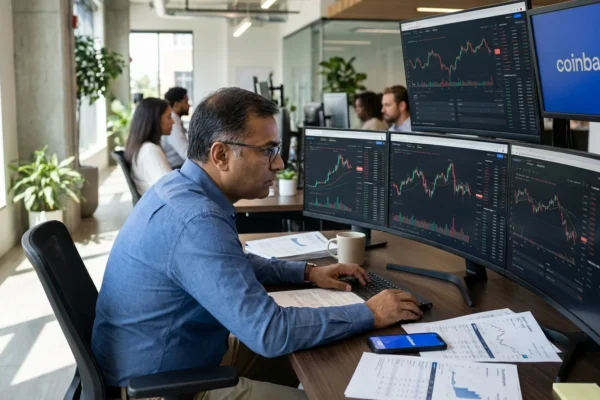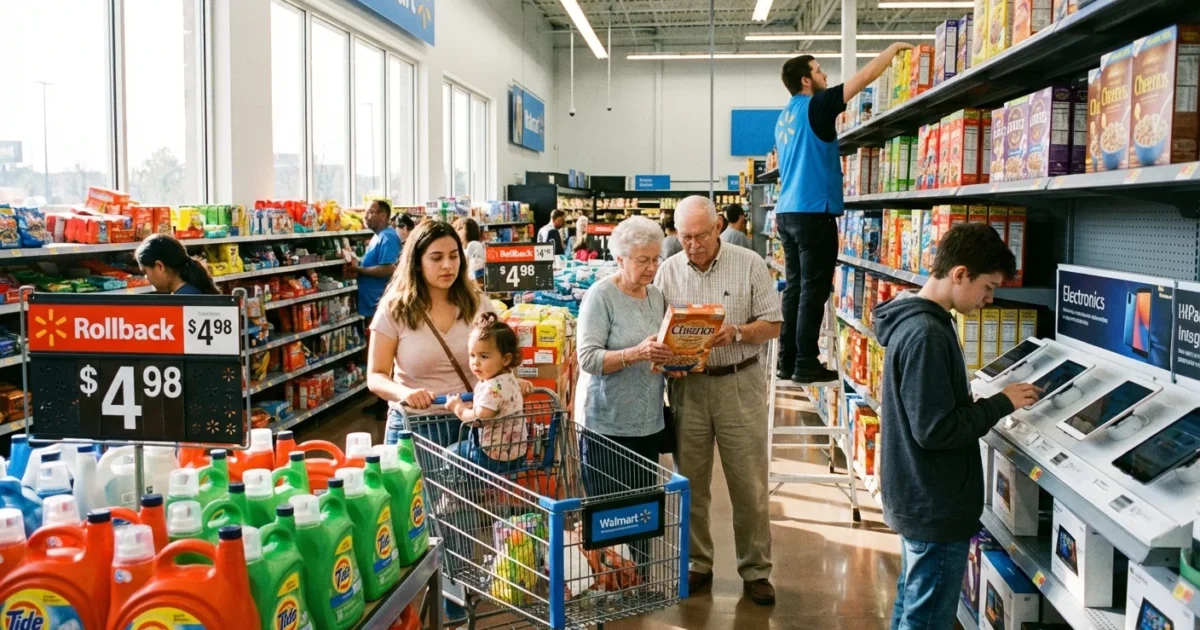
Walmart just did what no retailer has done before. The stock surged today and pushed the company’s market value past 1 trillion dollars. A club once ruled by tech now has a Main Street giant inside it. Investors are rethinking retail in real time. 📈
The trillion dollar turn
This is not a lucky pop. Walmart’s flywheel is spinning faster. The company turned its giant store base into a modern online network. Orders get packed from nearby stores. Delivery routes are shorter. Pickup is fast and cheap. That keeps costs down and customers close.
The e-commerce engine now links to higher margin businesses. Walmart sells ads to brands inside its digital aisles. It runs a growing marketplace for third party sellers. It uses data to target shoppers and measure results. These services add profits that do not depend on cutting prices.
The result is a platform, not just a retailer. Shoppers get low prices and speed. Brands get reach and data. Sellers get traffic and logistics. Shareholders get steadier growth and better margins. Today’s valuation says the market believes that mix.
Why investors are paying up
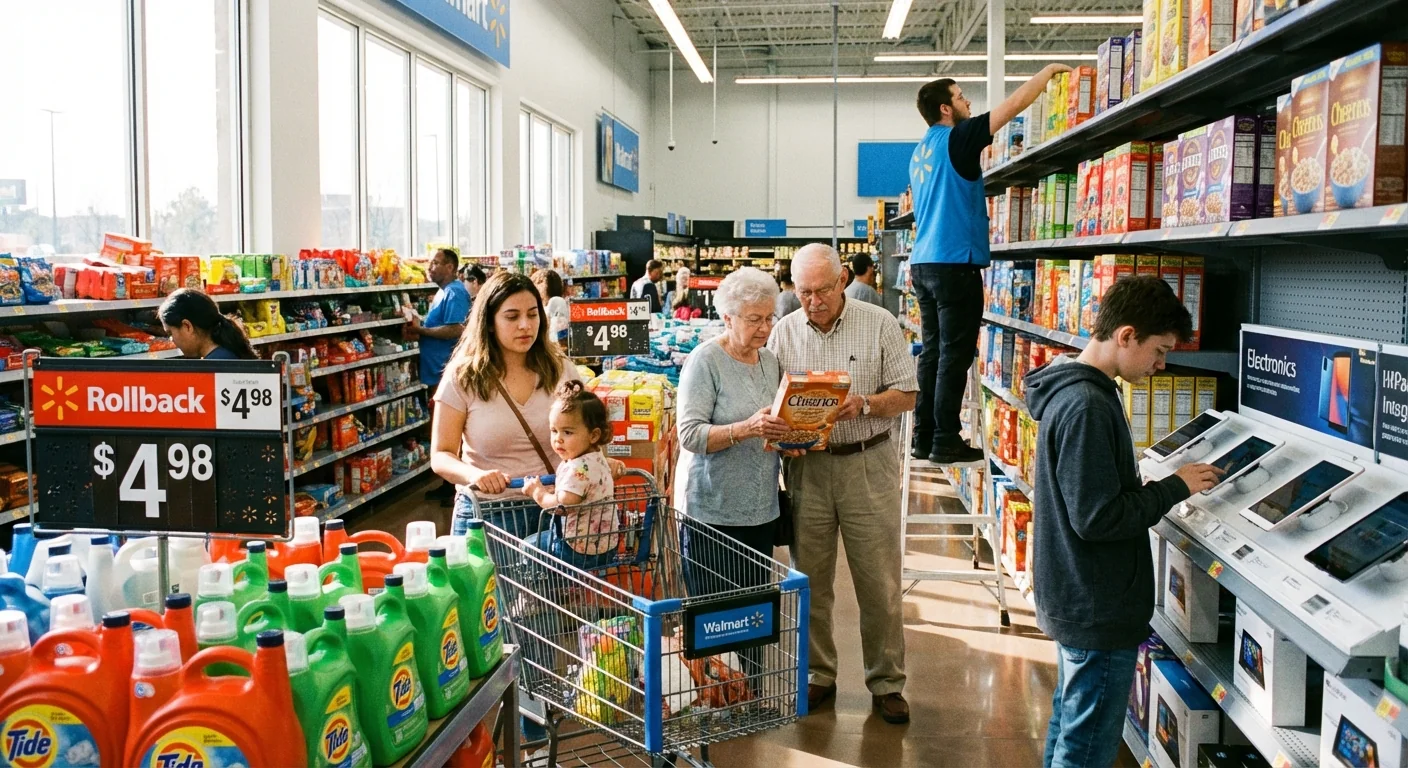
For years, pure tech firms earned premium valuations. They had software margins and sticky platforms. Walmart is now borrowing that playbook, with a retail edge. It owns traffic at massive scale. Most Americans live near a Walmart store. That local density lowers the last mile cost of online orders. It also makes pickup a habit.
Advertising is the unlock. Retail media uses shopping data at the point of decision. Ads show up when intent is highest. Brands like that. It lifts sales and reduces wasted spend. For Walmart, every dollar of ad revenue carries higher profit than selling a carton of milk. Marketplace fees and fulfillment services add more.
- The new profit flywheel:
- E-commerce growth feeds ad inventory
- Ad and marketplace dollars lift margins
- Better margins fund lower prices and speed
- Lower prices and speed drive more traffic
Watch advertising and marketplace margins. They are small in revenue, big in profit, and key to earnings power.
The broader ripple through retail
This move will shake peers across big box, grocery, and pharmacy. If ads and data are the new margin, others must build or partner. Expect more retail media rollouts, more third party seller programs, and more local fulfillment experiments. Suppliers will push budgets toward retail networks that prove sales lift, not just clicks.
The economic signal is clear. The American consumer still values price, convenience, and time. Walmart’s mix leans into staples and everyday needs. That cushions demand when budgets are tight. It also positions the company to ride an upgrade cycle when wages and confidence improve.
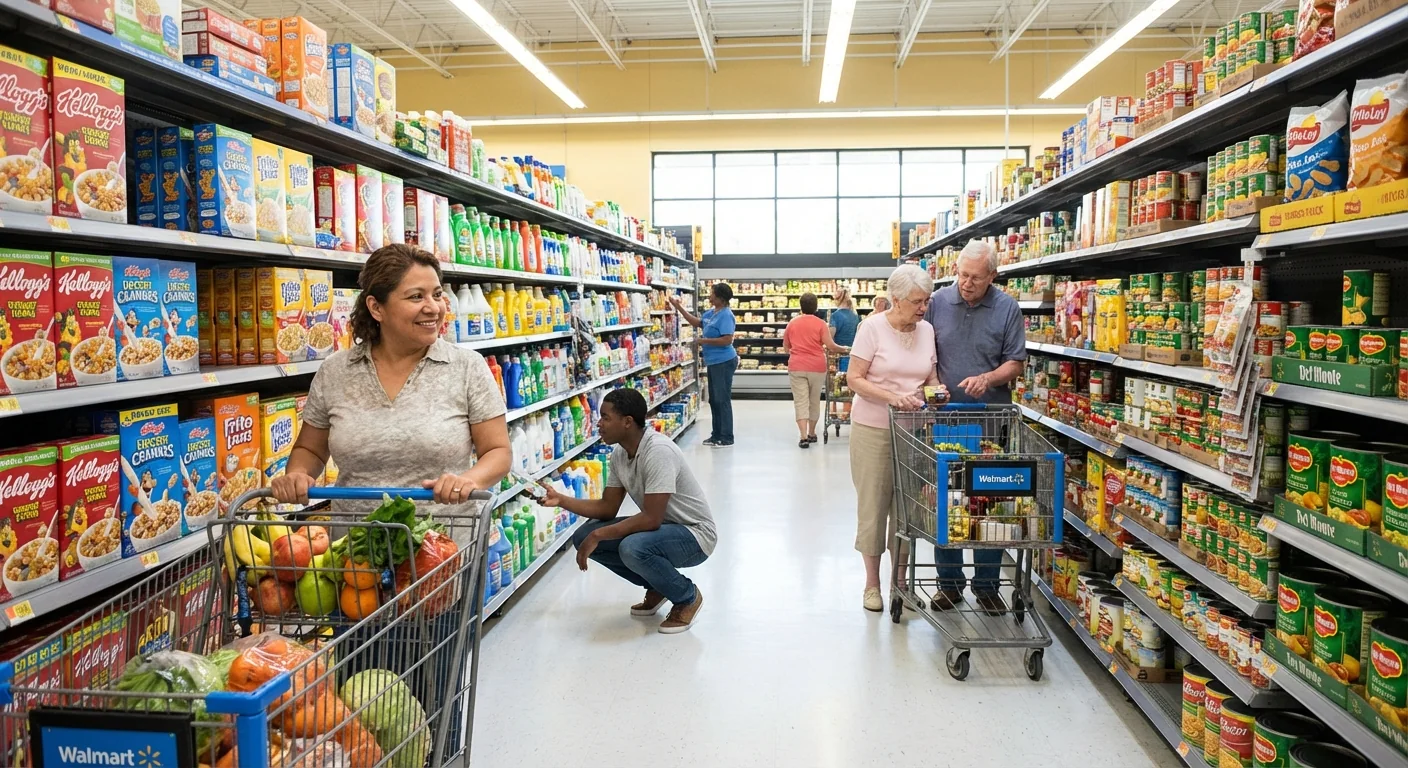
Brands will feel the shift too. Performance marketing is moving into the store aisle, both online and in person. That could change how companies launch products, set prices, and plan promotions. Small businesses may join Walmart’s marketplace to tap this traffic. Logistics partners and carriers will chase the volume tied to local fulfillment.
What this means for the stock
The trillion dollar tag resets the bar. Investors will now demand consistent execution. The story cannot rest on scale alone. It must show rising profit per digital order, steady ad growth, and disciplined spending on automation and data.
- What to watch next quarter:
- Ad revenue growth versus total sales growth
- Marketplace take rate and seller count
- Online order profitability and pickup mix
- Capital spending on fulfillment and tech
Competition remains fierce. Amazon will not stand still. Target, Costco, and others are building media networks and same day options. Price gaps can close fast. Labor, fuel, and freight can pinch margins. Data privacy and competition rules could shape how retail media works.
High expectations bring little room for error. Any stumble in e-commerce margins or ad growth could test this valuation.
The bottom line
Today marks a line in the sand for retail. Walmart fused stores, logistics, data, and ads into one platform, then priced it in the market. That platform now carries a trillion dollar tag. The message is simple. The future of retail belongs to operators who can sell goods, sell access, and move both with precision. Walmart just proved it at full scale, and the rest of the industry will have to answer.