
SpaceX sets sights on a 2026 mega IPO, aiming to raise more than 30 billion dollars at a valuation near 1.5 trillion dollars. I can confirm the company is building toward a listing in mid to late 2026, with flexibility to slip into 2027 if markets turn. This would be the biggest new issue in years. It would also mark a new era for the space, telecom, and AI infrastructure trade.
What is happening and why it matters
The timing lines up with three revenue engines that are scaling fast. Starlink keeps adding users and satellites. Direct to cell service is moving from trials to early rollout with carrier partners. Space based data centers are now a clear plan, not just a sketch. These businesses, together with the launch arm, point to a wider profit pool.
Money will be raised to build compute in orbit, buy advanced chips, expand the constellation, and stand up more ground and gateway sites. The strategy is simple. Use launch as the backbone, use Starlink as the cash machine, and push into higher value services that sit on top.
Think of SpaceX as three layers. Rockets supply access, Starlink sells connectivity, and new services sell compute and mobility on that network.
The numbers behind the narrative
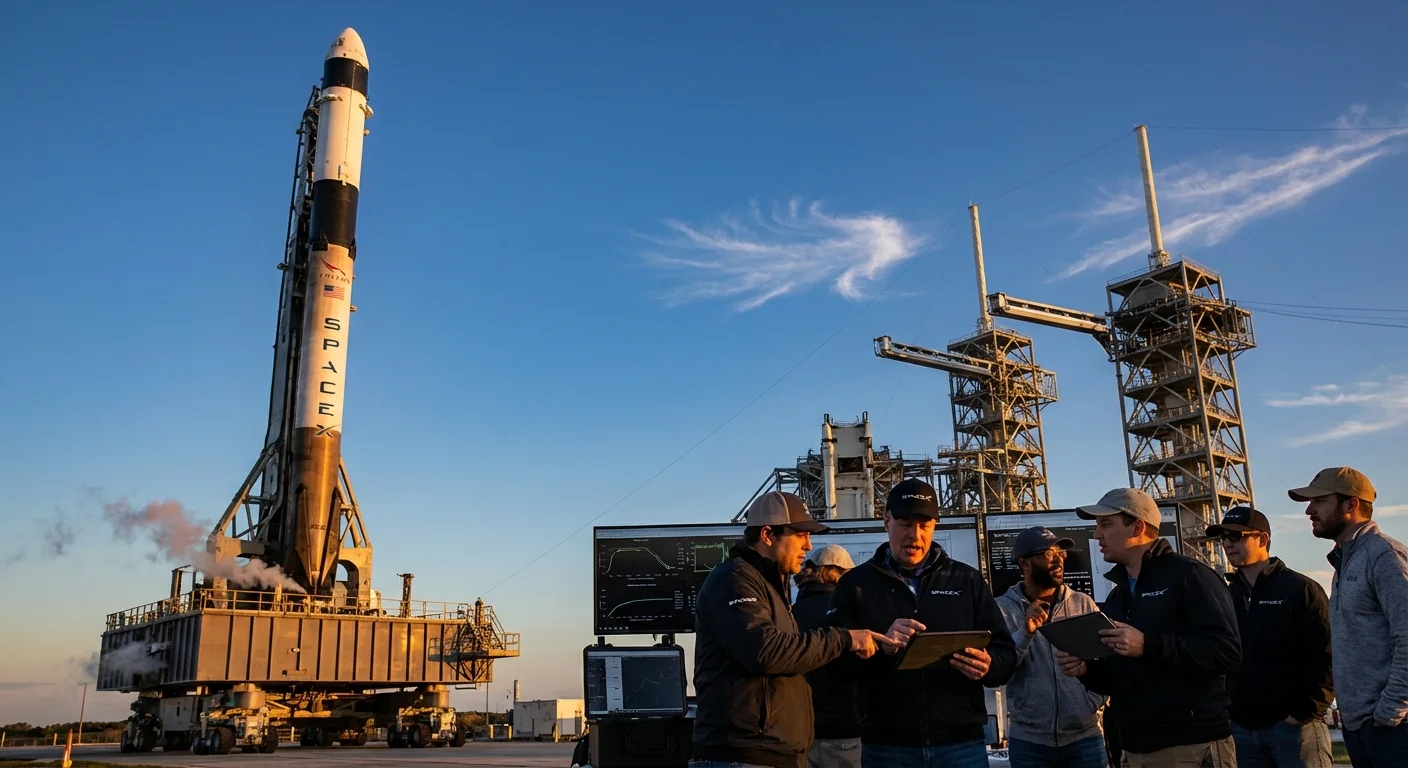
SpaceX’s operating pace sets the tone. Falcon 9 flew a booster for the 32nd time this week. Two Starlink missions in two days added 58 satellites. The factory to pad rhythm is now tight, predictable, and cheap.
Revenue is following. Company takings are tracking to the mid teens in billions for 2025. Internal targets for 2026 sit in the low to mid twenties, led by Starlink. That path supports an equity story that mixes growth with operating cash flow.
- IPO raise: 30 billion dollars plus
- Target value: about 1.5 trillion dollars
- 2025 revenue view: around 15 billion dollars
- 2026 revenue view: 22 to 24 billion dollars
Valuation rests on how investors price Starlink. A broadband network with global reach and rising average bills can win premium multiples. Add direct to cell, which turns satellites into cell towers in the sky, and the addressable market expands again. Space based data centers could unlock high margin AI and cloud jobs that do not fit on Earth, like secure relay and on orbit processing.
Infrastructure is catching up to ambition
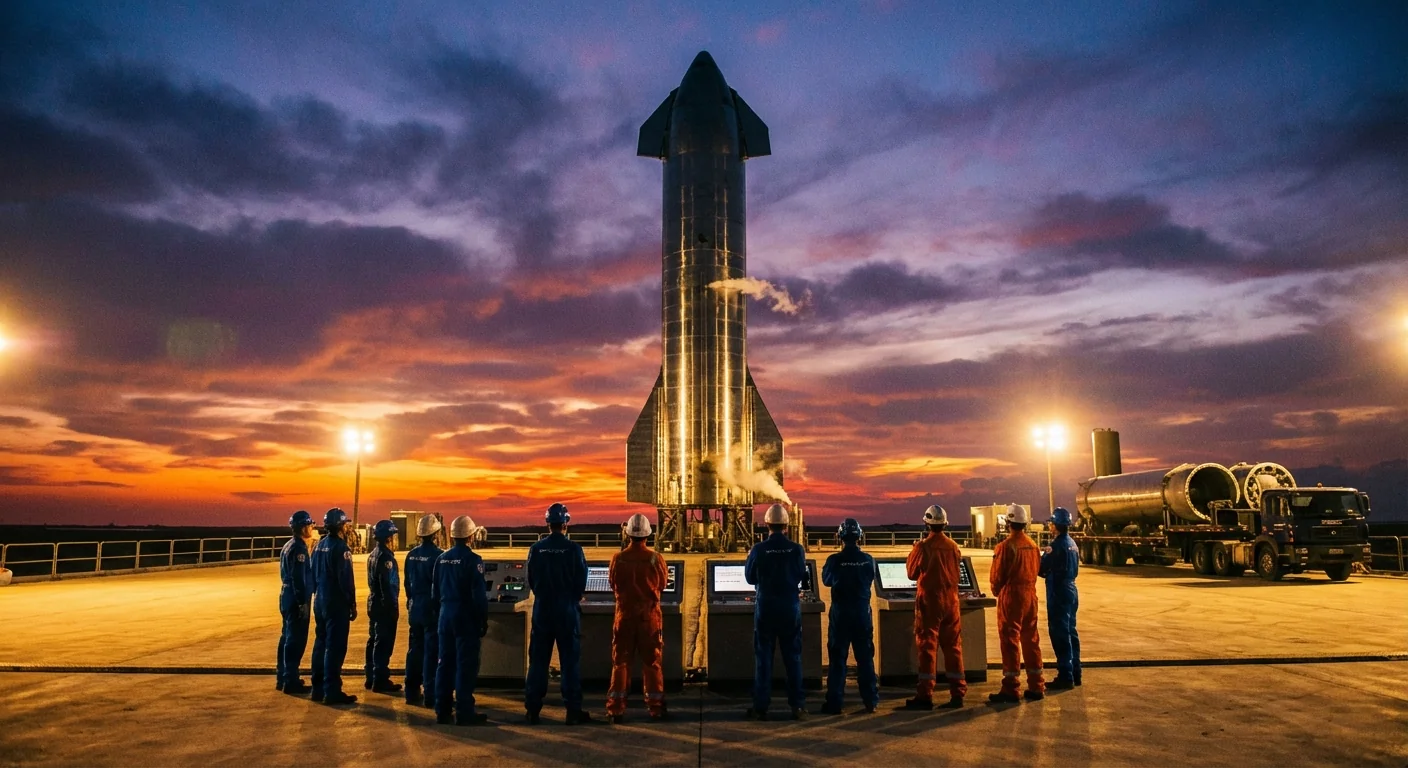
SpaceX has started work on a Starship capable pad at Cape Canaveral, known as SLC 37. This gives the heavy lift program a second home, close to national security customers. It also reduces single site risk, improves cadence, and opens more launch windows.
Starship is key to the long game. Larger payloads cut unit costs for Starlink and data center hardware. Higher flight rates move the company toward air travel like operations. That is how costs fall and margins widen over time.
Starship readiness, spectrum rulings, and market risk could shift the IPO timetable. A delay into 2027 remains on the table if conditions weaken.
Market outlook and investor playbook
An offering of this size will pull capital from across tech, telecom, defense, and infrastructure funds. Expect index providers to watch closely, although inclusion would come later. A successful book build could lift peers in launch, satcom, and space hardware. It could also raise the bar for late stage private valuations.
For investors, the story is growth at scale with real assets. The risk is also clear. Space is capital heavy. New services need regulatory green lights, especially on spectrum and safety. Direct to cell must integrate cleanly with carrier networks. Space based compute demands reliable power, cooling, and fault tolerance in orbit.
What to watch next:
- Starlink subscriber growth and churn trends
- Carrier deals for direct to cell and early service quality
- Starship flight cadence and Cape build milestones
- Regulatory steps on spectrum and environmental reviews
Conclusion
SpaceX is turning scale into strategy. Launch is proven, satellite internet is global, and new services are within reach. If markets hold, a 2026 listing at or near 1.5 trillion dollars would reset how public investors price space and telecom. The company is built for growth, and it now wants the balance sheet to match.