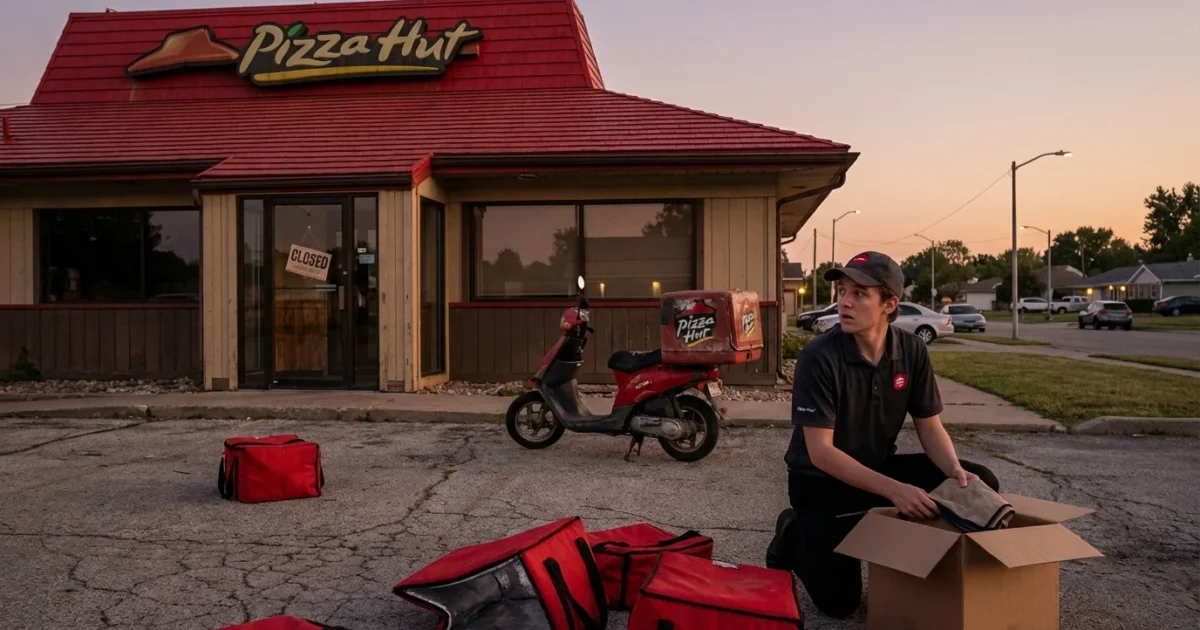
Pizza Hut to close hundreds of U.S. restaurants, pivots to delivery-first model
Pizza Hut is closing hundreds of U.S. restaurants, and I can confirm the plan targets about 250 locations through 2026. The company is moving faster to exit older dine-in stores and focus on smaller delivery and carryout units. This is a major footprint reset, aimed at cutting costs, lifting margins, and meeting how customers actually buy pizza today.
What is changing
Closures will roll out market by market, not in one sweep. Many affected sites are legacy dine-in stores with big dining rooms and higher rent and labor costs. These boxes are harder to staff, slower to turn, and often sit in dated retail strips. In many trade areas, delivery and carryout orders already make up the bulk of sales.
Pizza Hut plans to maintain service coverage by leaning on nearby delivery hubs and by opening new carryout focused stores. Franchisees will lead most of the work. Employees will be offered transfers where possible, especially into higher volume delivery kitchens.
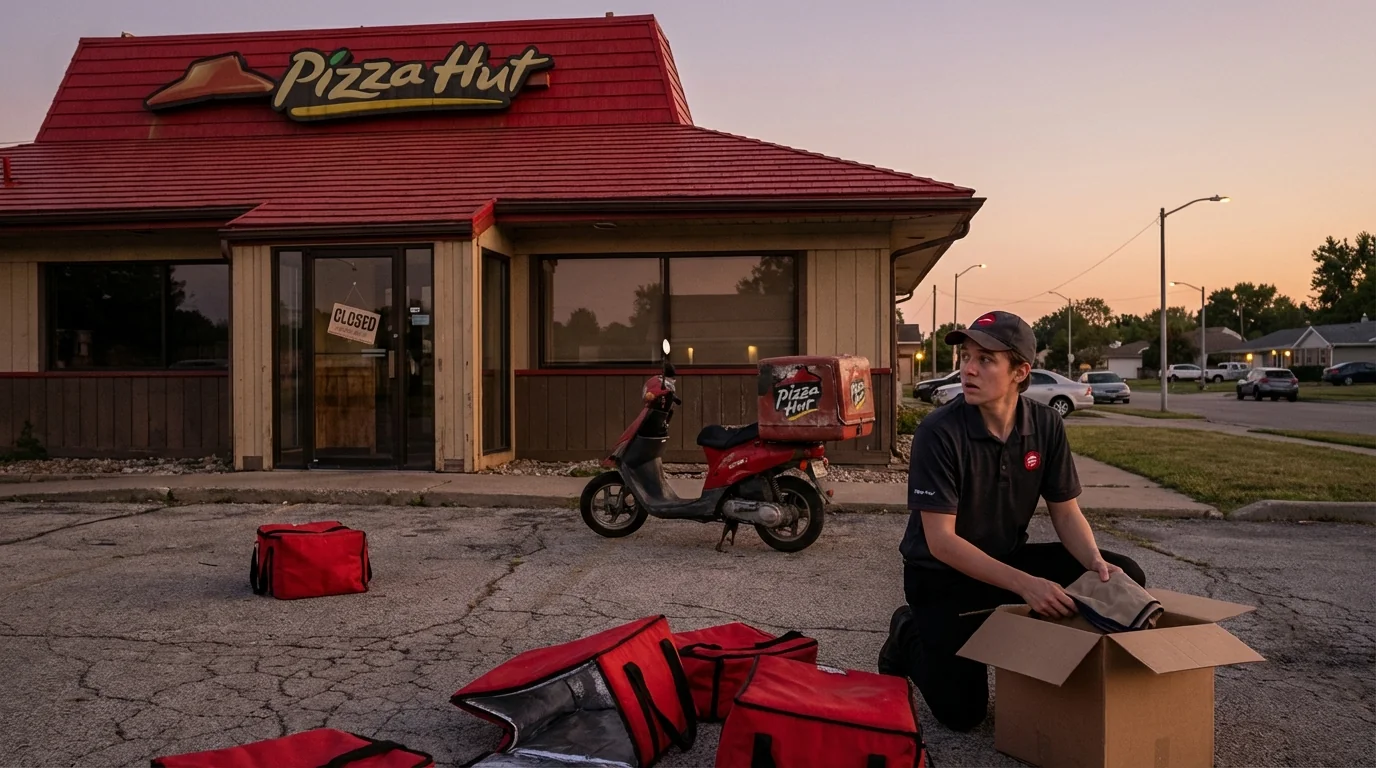
Customers in closing zones should watch for new carryout stores nearby. Delivery zones will be redrawn to reduce gaps and protect service times.
Why now
The pizza business has shifted for good. Off-premise orders dominate. Drivers, apps, and loyalty programs now drive volume more than dining rooms. Domino’s built around this years ago. Papa Johns followed. Pizza Hut kept many dine-in stores longer, which helped brand identity but hurt unit economics.
Food inflation has cooled from the peak, but rent, insurance, and wages remain high. Older boxes struggle to earn back needed returns. Smaller kitchens with two to three make-lines, fewer seats, and efficient pickup windows run leaner. They need less labor per order and carry lower fixed costs. Digital orders flow straight to the makeline, which lifts throughput at the dinner rush.
For franchisees, this is also about interest rates. Higher debt costs punish underperforming units. Pruning the weakest stores, then shifting volume to efficient kitchens, preserves cash and royalty streams.
Financial and market impact
For Yum Brands, ticker YUM, the parent company, this reset aims to protect long term royalty growth. Near term, there is risk to same store sales in affected areas. Some trade areas will see a temporary dip while delivery zones and new stores settle in. There will likely be one time closure charges at the franchise level, and modest refranchising or lease exit costs.
The bigger question is sales recapture. If 60 to 80 percent of closing store volume lands at nearby Pizza Hut locations, and those units run at higher margins, system profitability improves. If recapture stalls, rivals benefit. Domino’s carries the deepest delivery network. Little Caesars leans on sharp value and carryout speed. Papa Johns has pushed premium price points with solid digital retention. Each stands ready to pick up orphaned orders if handoffs are messy.
Landlords will feel this too. Older dine-in boxes are hard to re-lease without heavy remodels. Expect more conversions to medical, discount retail, or local restaurants. In tight suburban markets, quick service chains may grab these pads and add drive-thrus. In rural strips, space could sit dark longer.
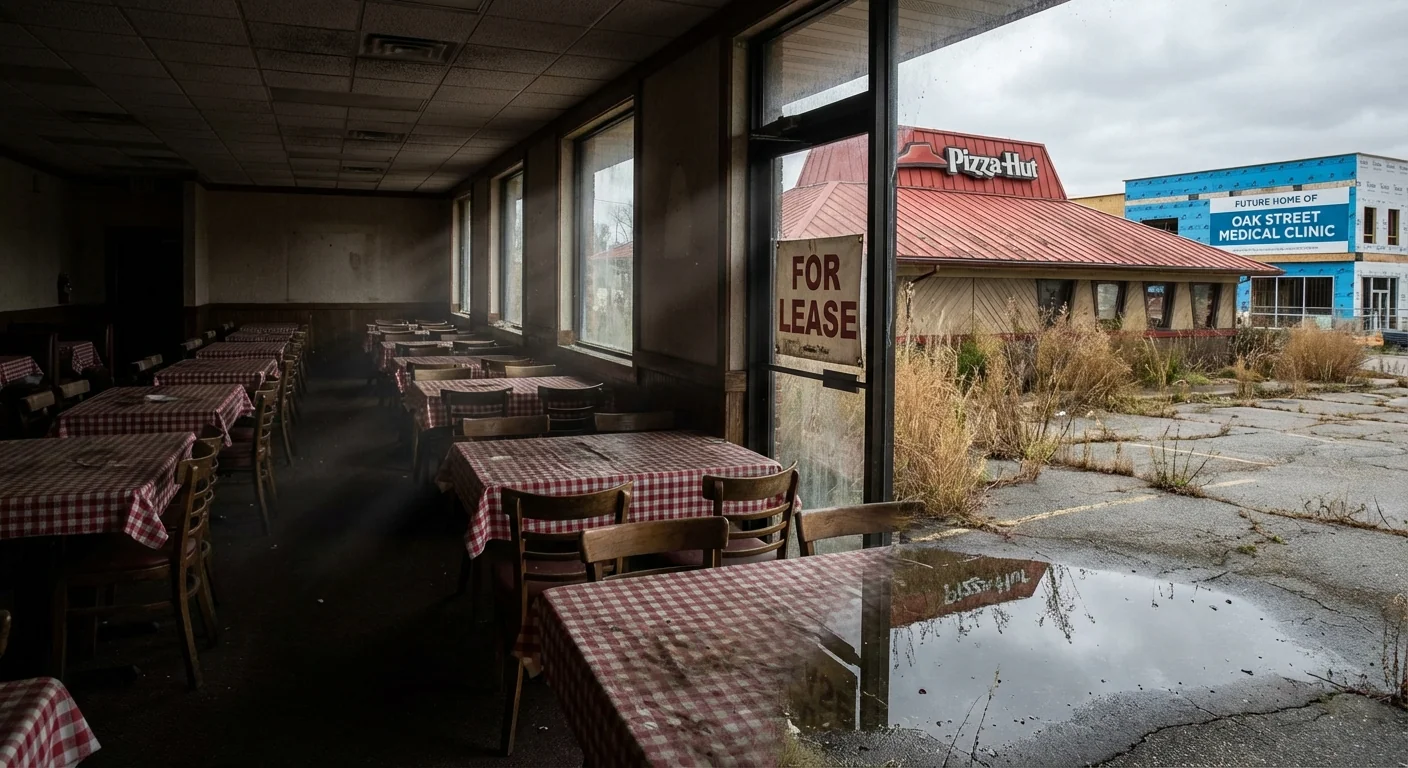
Short term disruption is real. Expect some service gaps during the transition, localized job losses, and uneven comps as markets reset.
What investors should watch
- Net unit growth, not just openings, but net of closures, by quarter
- Sales recapture rates in markets that lose dine-in boxes
- Delivery times and digital order growth, key to loyalty and repeat
- Franchisee health, including remodel pace and leverage levels
If Pizza Hut stabilizes traffic while cutting fixed costs, the delivery-first mix can lift margins. Yum has long favored an asset light, franchise heavy model. This move fits that playbook. Royalty dollars grow when franchisees grow cash flow. Efficiency beats nostalgia.
Jobs, communities, and the road ahead
There will be pain at the store level. Fewer dine-in sites means fewer on-site roles in front of house. Many workers will move to kitchens built for speed, with schedules tied to peak delivery windows. Where transfers are not possible, local officials will push for reuse of sites to keep tax bases stable. Expect community updates as closures are scheduled, with timelines set months ahead to manage staff and inventory.
For customers, the brand promise shifts from booth and buffet to speed and consistency. Hotter ovens, simpler menus, and more reliable delivery zones matter more than floor plans. That is where the growth is, and where the capital is going. 🍕
Bottom line
Pizza Hut is trading square footage for throughput. Closing about 250 U.S. restaurants through 2026 clears out high cost boxes and fuels a delivery-first network. The risk is near term sales drag and community fallout. The reward is a tighter, faster system with better unit economics. For investors, watch recapture, digital velocity, and franchisee health. If those hold, this reset can expand margins and support a higher quality growth curve for Yum, even with fewer doors on the map.