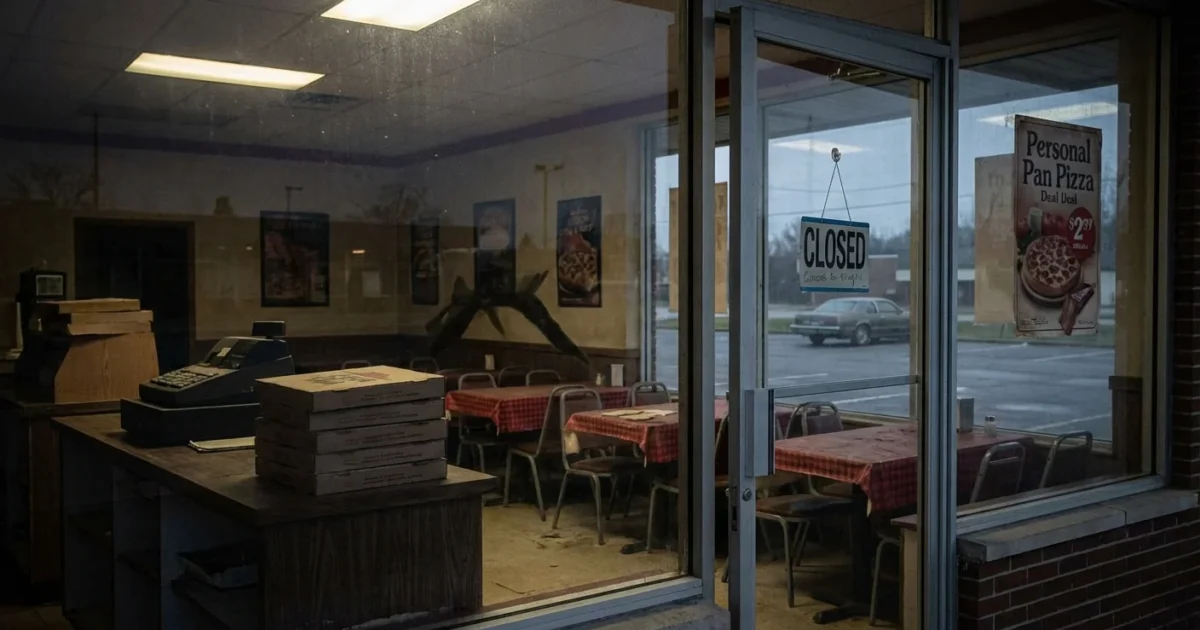
Pizza Hut is preparing to shut about 250 U.S. restaurants, a swift reset that will shrink its domestic footprint and tilt the brand toward carryout and delivery. I have learned that the plan targets underperforming and older dine-in units first, with a rolling schedule that starts soon and continues through the year. Final site lists are still being organized, and some markets will feel this more than others. Many locations will remain open, but entire pockets may go dark.
Why the closures are happening now
This is a strategy move, not a retreat from pizza. The company is pruning stores that have struggled with traffic, high rents, and rising labor costs. Many legacy dine-in “red roof” sites never fully recovered their pre-pandemic economics. The business now centers on delivery and carryout, where smaller boxes and faster turns matter more than dining rooms. That is where Pizza Hut has been investing. This closure wave clears the path for that shift.
Franchise owners sit at the core of the decision. Unit level profits have been squeezed by higher wages, utilities, and insurance. Food costs have eased from 2022 peaks, but cheese and protein prices still swing. Heavy discounting in the category has also cut margin. Closing weak stores helps reset the royalty base, lifts average unit volume, and protects capital for modern builds.
What it means for workers, towns, and customers
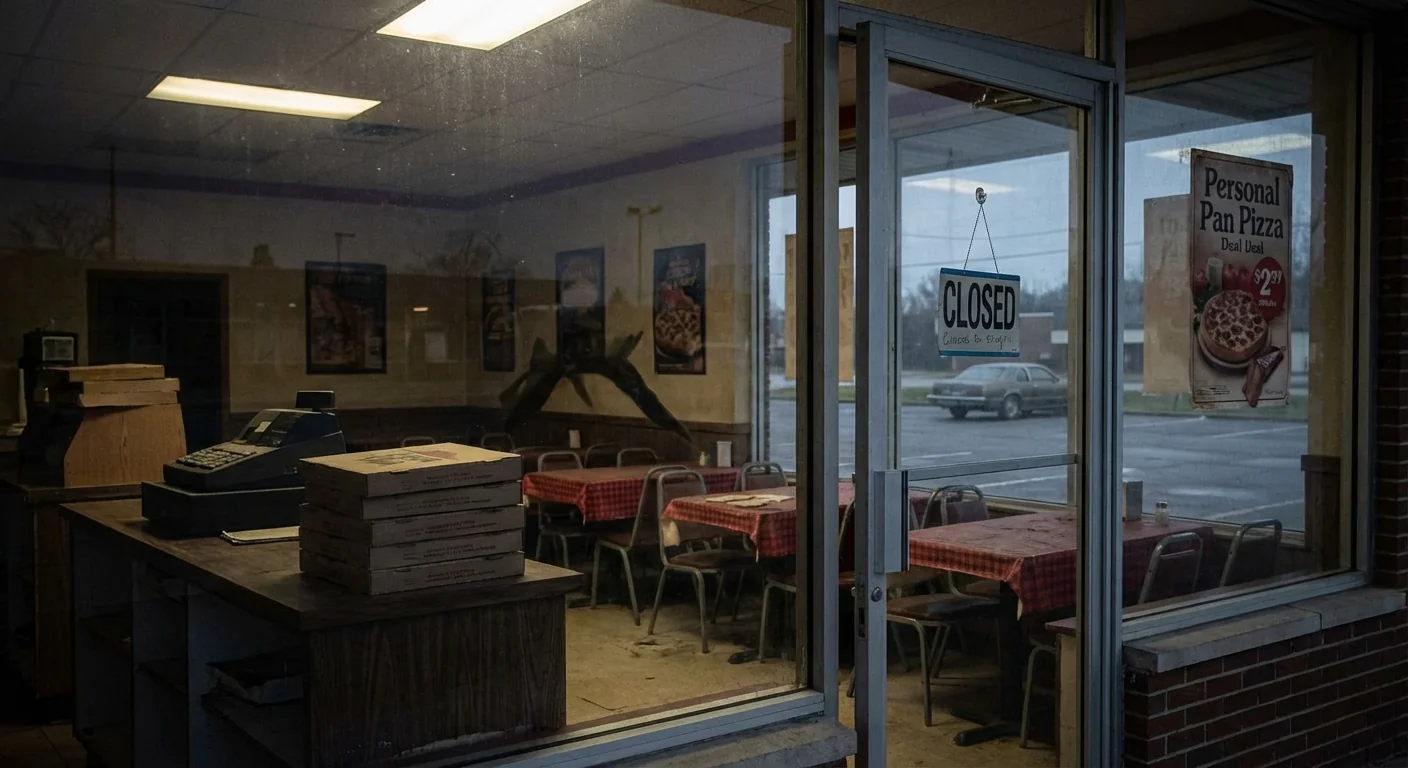
The human impact is real. Store teams face job losses as doors close. Some workers may transfer to nearby units, but not all will find a landing spot. Small trade areas will lose a familiar brand and an easy dinner option. Delivery zones will expand to fill gaps, which can slow service times if volumes spike at surviving stores.
Customers should expect mixed experiences during the transition. Some cities will see upgraded carryout hubs with faster kitchens. Others will have to drive farther or switch to a rival when their closest unit closes. Gift cards and loyalty points will still work, but availability will vary by location.
Check your local store’s status before you go. Operating hours and delivery zones may change during the rollout.
The competitive and market backdrop
Pizza is a volume game. Domino’s has leaned into delivery technology and value, and it has kept unit economics tight. Papa Johns has pushed premium items, then stepped back toward deals to defend traffic. Little Caesars owns the sharp value tier. Independents, supported by delivery apps, have held share in neighborhoods that prize quality over scale. Pizza Hut has to do more with fewer boxes, which makes menu simplification and digital ordering even more important.
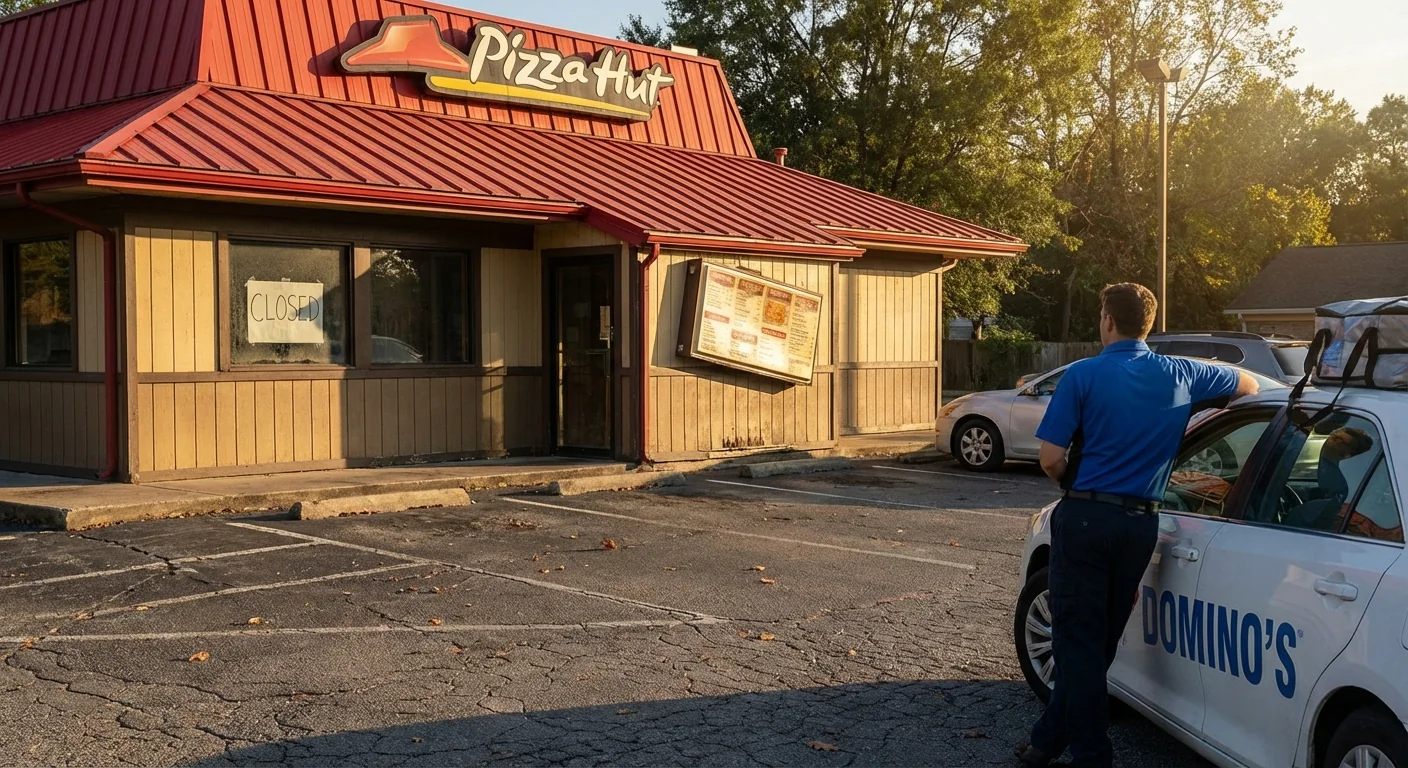
Expect competitors to make a quick grab for share in closing markets. They will target school nights, sports leagues, and large orders. The winners will be the brands with the fastest quote times and the most reliable drivers. National partnerships with delivery platforms may also shift, as volume reallocates across ZIP codes.
The investor view on Yum Brands
For Yum Brands, the parent company, the math is mixed in the near term. Royalty revenue likely dips as stores close. Advertising funds can be spread thinner in affected DMA’s for a time. On the other hand, the system should exit with cleaner unit economics. That can lift same store sales quality, reduce discounts, and improve franchise health.
Key watch points for investors over the next two quarters:
- Net unit growth, including closures, relocations, and new small-format stores
- Same store sales, especially delivery mix and order frequency
- Franchisee cash flow and remodel cadence
- Corporate guidance for margins and buybacks
This reset also fits a longer theme inside Yum. The company has favored asset-light growth and disciplined refranchising. Pizza Hut’s path mirrors moves KFC made years ago, smaller footprints, simpler kitchens, and a bias toward delivery-friendly sites. If management holds that line, the system can grow again on a stronger base.
Job losses will vary by market. Severance, transfers, and support programs depend on each franchise owner’s policies.
The economic signal
Commercial real estate dynamics matter here. Many dine-in leases from the 1990s and 2000s are rolling off. Landlords want higher rents, or they want to repurpose pads for drive-thru concepts and dollar stores. Higher interest rates have raised the hurdle for remodels. Closing now, as leases expire, is a financial decision that frees capital for better returns.
For the broader economy, this is another sign that post-pandemic habits are durable. People still want pizza, but they want it fast, hot, and at home. Brands that move cash flow to speed, delivery tech, and value should win the next leg.
Conclusion
Pizza Hut is cutting roughly 250 U.S. restaurants to move faster into a leaner, delivery-first footprint. The near term will be messy in some markets. The long term goal is cleaner unit economics, fewer weak links, and a platform that can compete head to head on speed and value. For workers and customers, the next few weeks are about clarity. For investors, it is about execution, pace, and proof that smaller can grow stronger. 🍕