BREAKING: Monkey on a rope river crossing puts wild travel in the spotlight
A rope, a river, a split second that says everything
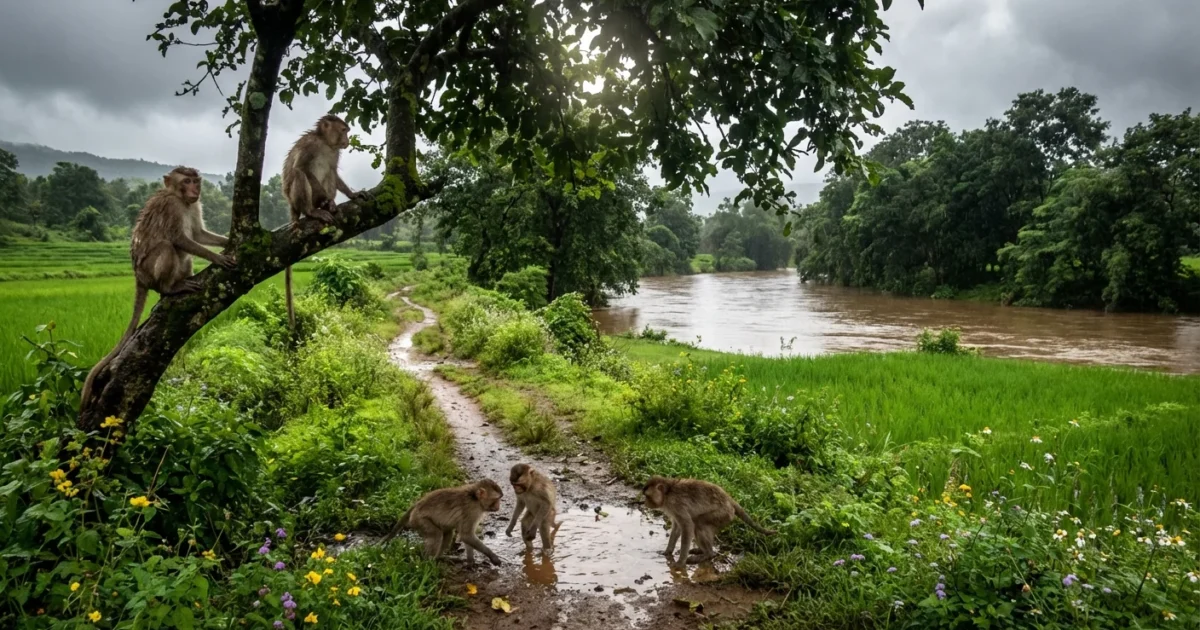
This morning, our desk reviewed fresh footage from a forested gorge in China. A monkey sized up a fast river, reached for a suspended rope, and crossed with calm, clever moves. It paused, tested the line, then hand over hand glided to the far bank. One animal, one rope, one clean lesson. Nature solves problems. And travelers are paying attention.
What looks like a stunt reads like a map. Rural routes often use simple lines to span water in monsoon season. Trails meet transport. Animals watch, learn, and adapt. The scene is more than cute. It shows how wild corridors and human paths overlap, and how we move through them together. 🐒
Where to see this story in real life
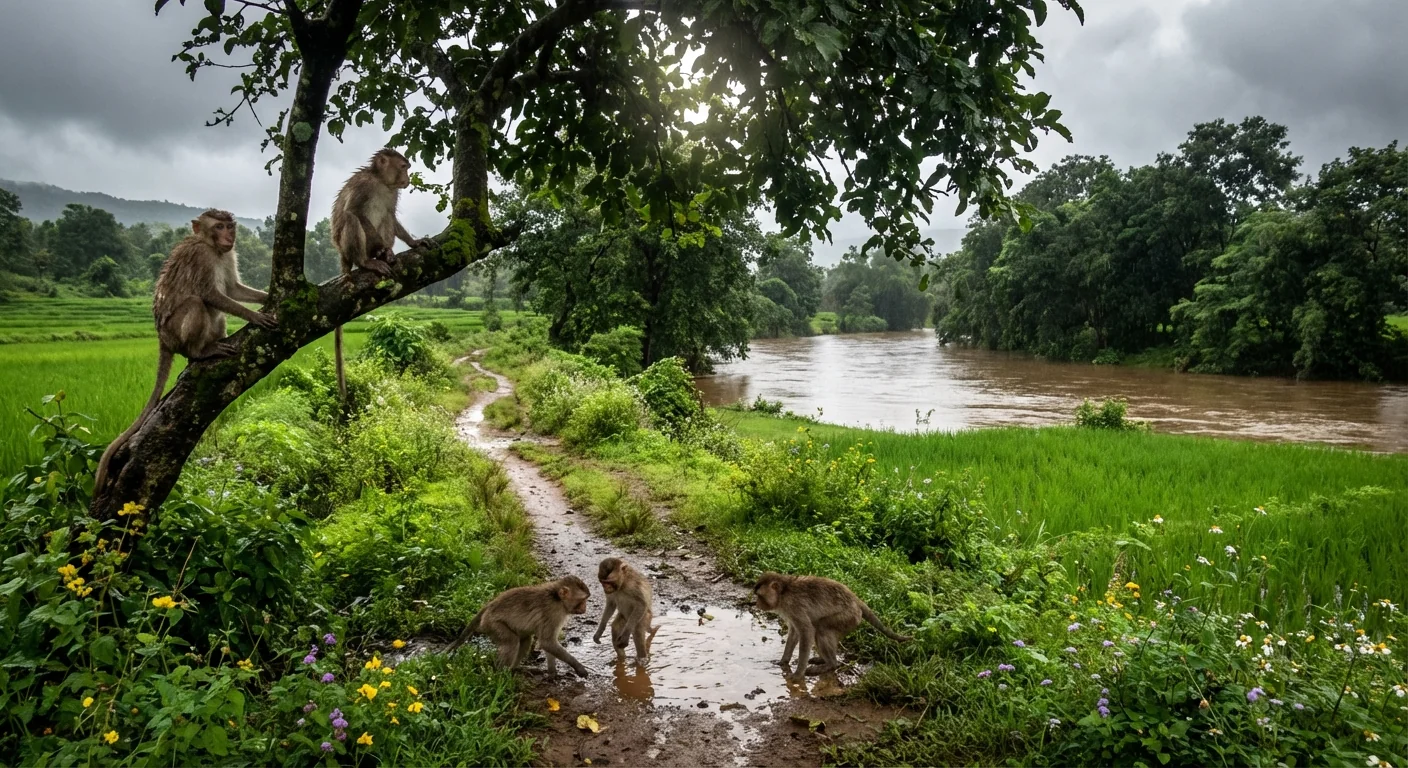
If a rope crossing makes you want to step into the canopy, you have options. Several regions blend rugged transport, big scenery, and real chances to spot primates.
- China, high mountain forests in Qinling and Shennongjia, habitat of golden snub-nosed monkeys
- Rwanda and Uganda, volcanic slopes and bamboo zones that shelter golden monkeys
- Malaysia’s Taman Negara, with long canopy walkways and macaque sightings near river routes
- Costa Rica’s cloud forests, hanging bridges and lively capuchin territories
In each place, road and trail networks bring you close, but not too close. Rangers manage access. Local guides know animal routines and safe paths. Many routes include rope bridges or steel cable walkways that mirror what we saw on that river span. You cross slowly. You feel the gap below. You look into a living canopy, not a zoo.
Permits are the gatekeepers for many primate habitats. Book early, carry your passport, and stick to your assigned time window.
How to travel smart around clever wildlife
Monkeys are fast thinkers. They know how to test a line, open a zipper, and grab a snack. Your plans should be just as sharp.
- Keep 7 meters of distance. Do not feed or tease animals.
- Zip your daypack and stow food in dry bags.
- Remove loose straps and sunglasses when a troop is near.
- Cross any bridge one person at a time if posted. Obey ranger calls.
Do not step onto unmaintained ropes, farmer ferries, or closed spans. Wet lines fail without warning. Choose marked crossings only.
Morning hikes improve your odds. Primates move and feed early, then rest. Cloud cover helps. Heat drops, eyes adjust, the forest opens. If you book a canopy walk, ask for the earliest slot. If you book a river route, ask about flow levels. After heavy rain, some paths close. That is a good sign. It means safety rules are real.
Transport is tilting toward the treetops
Tour operators are rebuilding itineraries around canopy and corridor travel. The trend is practical. Elevated routes protect roots and streams. They also create clear viewing lines for small groups. We are seeing more short transfers by local minibus to trailheads, then slow hours on foot. The payoff is big. A hush, a quick rustle, a tail, and then a full face in dappled light.
Several destinations are leading. Rwanda’s Nyungwe has a signature canopy walk with ranger escorts. Malaysia maintains one of the world’s longest rainforest walkways, tied to river jetties and simple boats. Costa Rica’s hanging bridges link to park shuttles that keep private cars out. In China, new boardwalks and controlled cable crossings are guiding hikers through alpine forest without trampling the understory.
Ask one question when you book, how do you separate wildlife viewing from waste and noise. The best operators have a clear, simple answer.
The power of one clear image
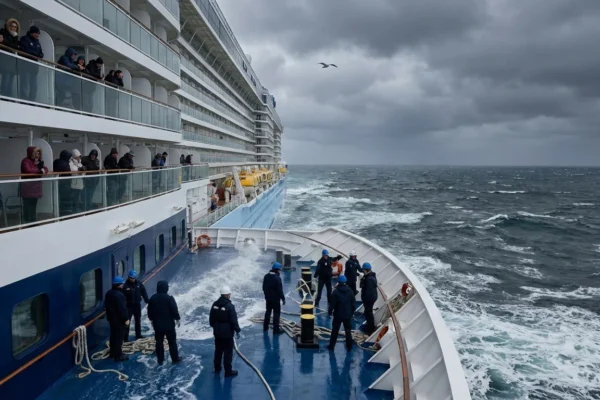
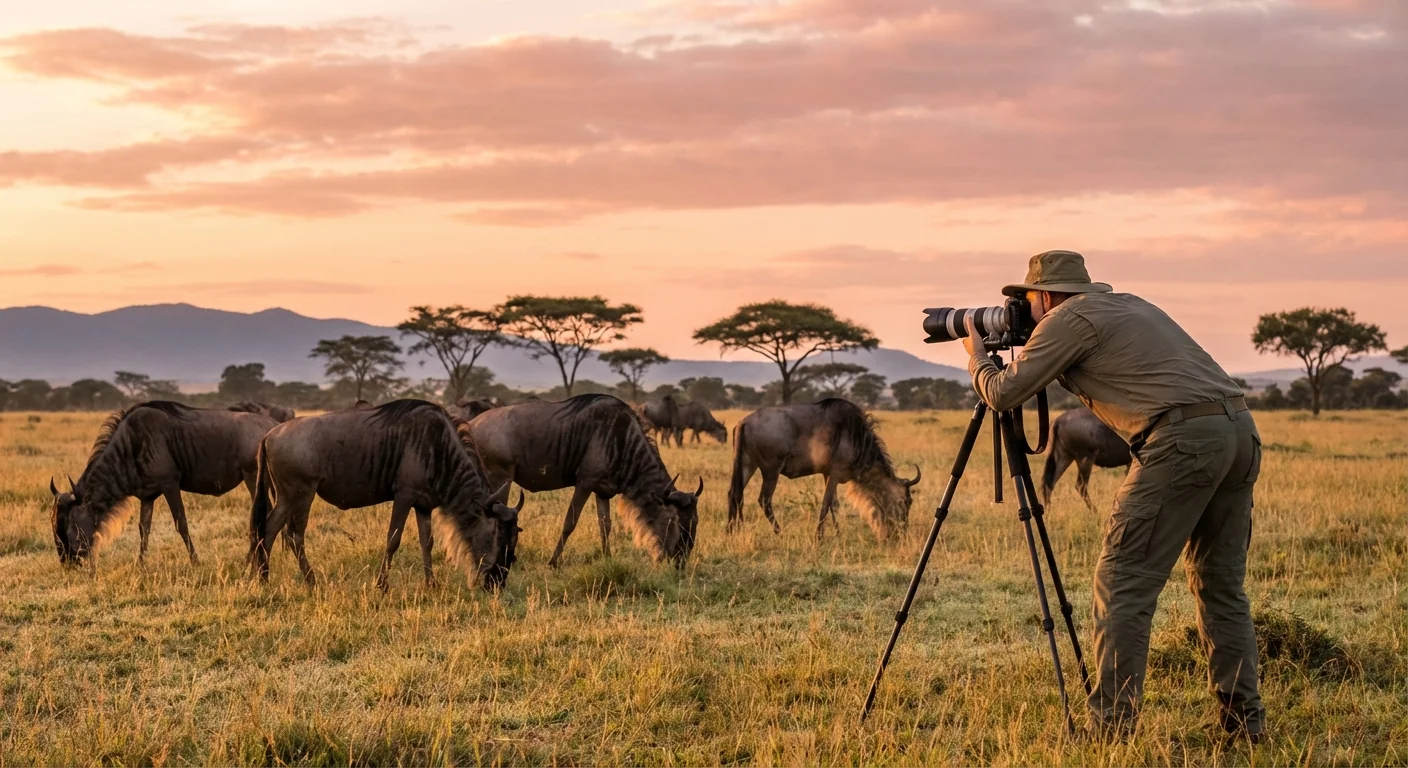
This week’s wildlife frames have been striking. A golden monkey in cold light. A storm wave frozen at full height. A rhinoceros beetle lit like a jewel. These moments draw travelers in because they feel true. The monkey on the rope is the same. It reveals a mind at work, and a path to follow.
If you plan a trip around scenes like these, build your route with respect. Let distance be your lens. Use official crossings. Follow your guide’s voice. The wild is not a theme park, it is a living transport network with rules set by weather, terrain, and the animals themselves.
Final approach
A single crossing in a Chinese gorge reminds us why we go. Travel is movement with meaning. We map rivers and ridges, but the smartest lines belong to the creatures that live there. Watch closely, move lightly, and choose operators who protect the path. Do that, and your next journey might offer a quiet rope, a deep breath, and a glance from the canopy that you will never forget.