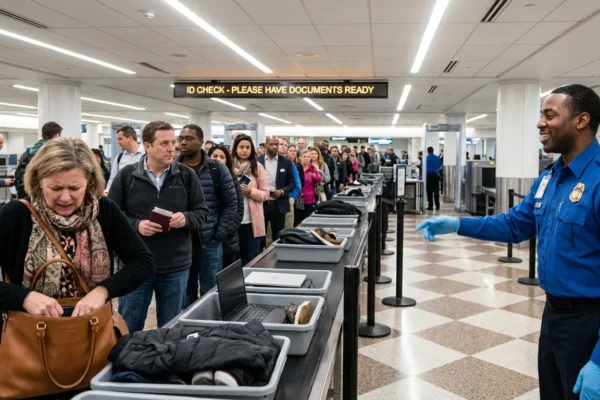
BREAKING: MLK weekend park trips just hit a new roadblock. Rangers at U.S. national parks are asking visitors to show proof of U.S. residency at the gate. Non-residents are being charged a new 100 dollar entrance fee. Lines are long, tempers are short, and confusion is real.
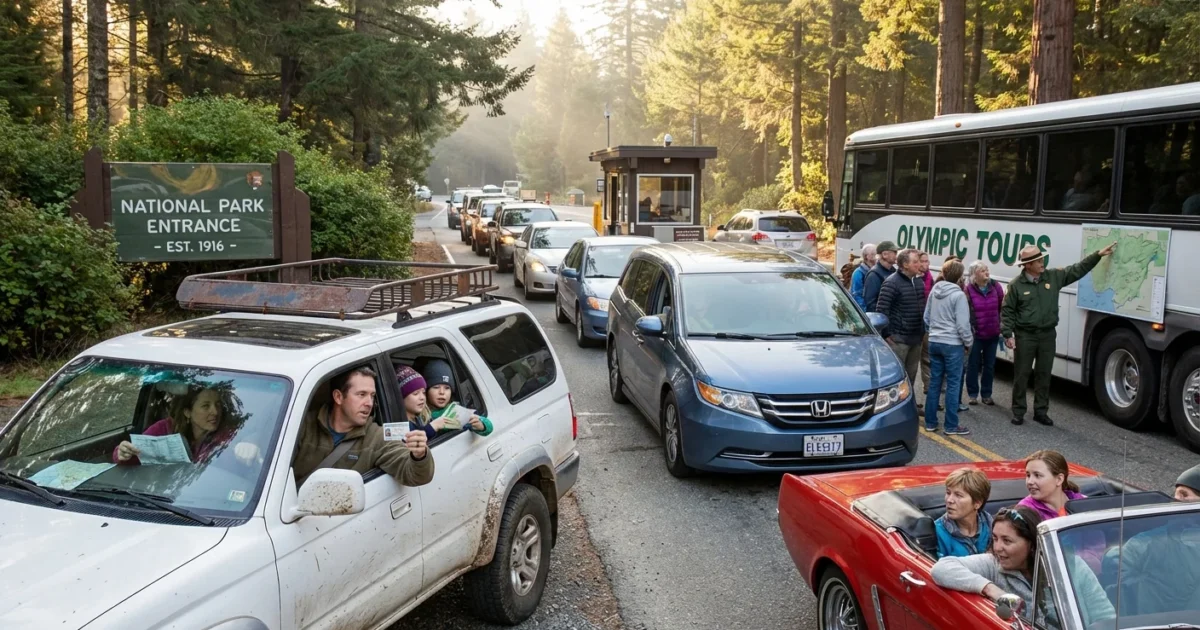
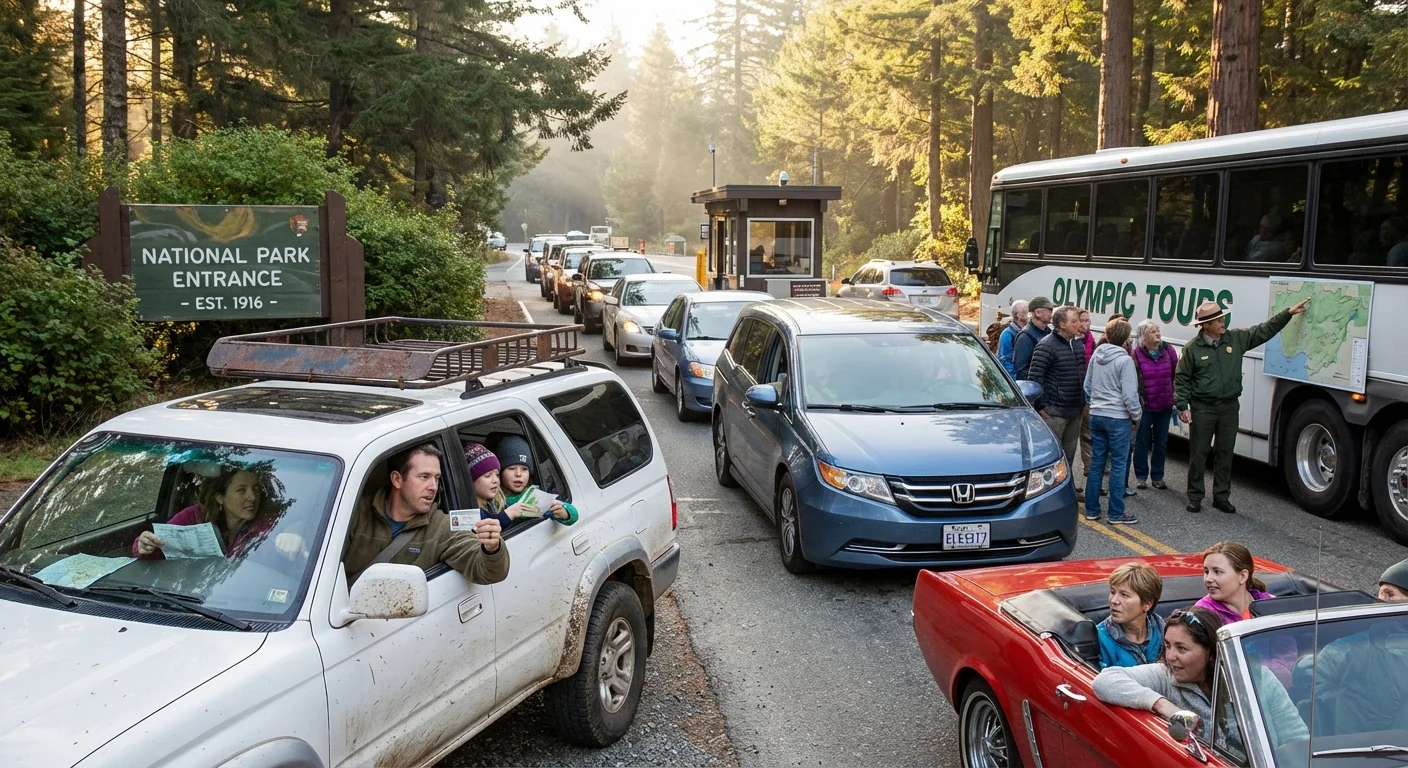
I spent the morning at multiple entrances. Cars crawled forward. Some drivers held up driver licenses. Others fumbled for passports. Families debated what counted as proof. Tour buses idled while guides rewrote the day’s plan. This is not a minor tweak. It is a hard turn in how America welcomes the world to its public lands.
What’s Changing At The Gate
Here is what visitors are seeing today. Rangers are asking every adult for proof that they live in the United States. A state driver license or state ID is accepted. A U.S. passport also works. Visitors from other countries are being asked to pay 100 dollars per person to enter.
The reality on the ground is messy. Mixed groups are common, with both residents and non-residents in one car. Students on visas are unsure which line to choose. Families visiting relatives from abroad are paying and moving on, but not happily. A few cars turned around to regroup and return later.
Staff told me they received brief guidance, then the gates opened. Card machines processed the fee, but the most costly element was time. Each conversation added minutes. By mid morning, wait times stretched. The spirit of MLK weekend, a time when many families explore together, met a bureaucratic wall.
Pack your patience today. Arrive early, carry a government ID, keep your payment card ready, and take a photo of your ID as backup.
The Visitor Experience, Rewritten
National parks have always been a passport to America’s story. That story relies on easy access and a warm greeting. Today felt different. The ID check slowed that first hello. For many international guests, the price jump was a shock. Some accepted it as the cost of travel. Others called it a bad welcome.
Gateway towns will feel this fast. Outfitters depend on global bookings, especially in winter. A drop in last minute international visits will hit guides, hotels, and diners on the edge of the parks. Inside, concession stands and shuttle services rely on steady volume. Fewer non-resident day visitors means fewer sales.
Tour operators I spoke with are already reworking trips. Some are leaning into state parks and tribal parks, where rules may differ. Others are adding museum stops and scenic drives outside the fee gates. The American West is still epic, but today’s playbook is changing.
[IMAGE_2]
Expect ID checks on every adult at staffed entrances. Arguing at the window will not change the fee. Planning ahead will make your day better.
Practical Tips For Travelers Right Now
If you are a U.S. resident, bring a state ID. Keep it handy. If you are visiting from abroad, budget for the extra cost and extra time. Consider less crowded entrances. Many parks have secondary gates with shorter lines. Check park sites for timed entry rules, shuttle schedules, and winter road closures.
- Have your ID ready before you reach the booth
- Travel with a charged phone and offline maps
- Build in 30 to 60 minutes of buffer time
- Consider sunrise or late afternoon arrivals
If your group is mixed, decide ahead of the gate how you will pay. Do not swap seats or shuffle documents at the window. It slows everyone down and adds stress.
A Policy With Wider Ripples
This approach breaks from tradition. Parks have long used simple fee structures. One price per vehicle or per person, valid for seven days. That clarity is why millions plan road trips with ease. Today’s rule introduces a checkpoint culture at the front door. It also raises privacy questions. Not everyone carries ID on a hike, and some visitors are minors or seniors with limited documents.
Operational questions stack up. How will unmanned entrances be handled. What happens on fee free days. Where do walk-in or bicycle visitors go to show ID. How are mixed cars counted. Frontline staff are adapting in real time. That is a tough way to run a gate on a holiday weekend.
Better Ways Forward
If the goal is more revenue from tourism, there are smarter tools that do not chill the welcome.
- Create a widely sold International Parks Pass, valid across all parks for a year
- Let visitors pre verify their status in an app, then scan a code at the gate
- Keep entrance fees simple, add surcharges to premium services like last minute parking
- Offer off season discounts and stewardship credits tied to volunteer hours or transit use
These options raise funds without turning the booth into a border. They also protect the park story, which is built on access and wonder.
The Bottom Line
On an MLK weekend that celebrates access and shared purpose, America’s parks feel less open. ID checks and a 100 dollar non-resident fee have reshaped the first mile of the trip. If you are heading to a park, plan for a slower start. Bring proof of residency if you have it. Budget more time and money if you do not.
We love these places. They are the front porch of the country. Today, that porch has a new lock. It does not have to stay that way. Smarter fixes are on the table, and travelers are ready to meet them halfway. 🌲