Aruba just moved to the front of Caribbean trip planning. We are calling it now. For travelers who want low risk, steady sun, and easy logistics in 2026, Aruba is the smart bet. The island’s safety record, its location outside the main hurricane path, and a strong tourism backbone make the case clear. Book it early, then relax. The weather likely will too.
Why Aruba is breaking through now
Aruba sits south of the storm tracks that often rattle the Caribbean. That geography matters. It means fewer trip disruptions and more calendar flexibility. Families can aim for spring. Couples can choose late summer. Friends can pick a long weekend in November. The odds of smooth skies stay high.
The island is also well set up for visitors. Roads are reliable. Tap water is safe to drink. English is widely spoken. Wi-Fi is common. Hospitals and clinics are reputable. That stability draws repeat guests, and it calms first timers. In a year when new hotel keys are popping across the region, Aruba’s steady hand stands out.
What to expect on the ground
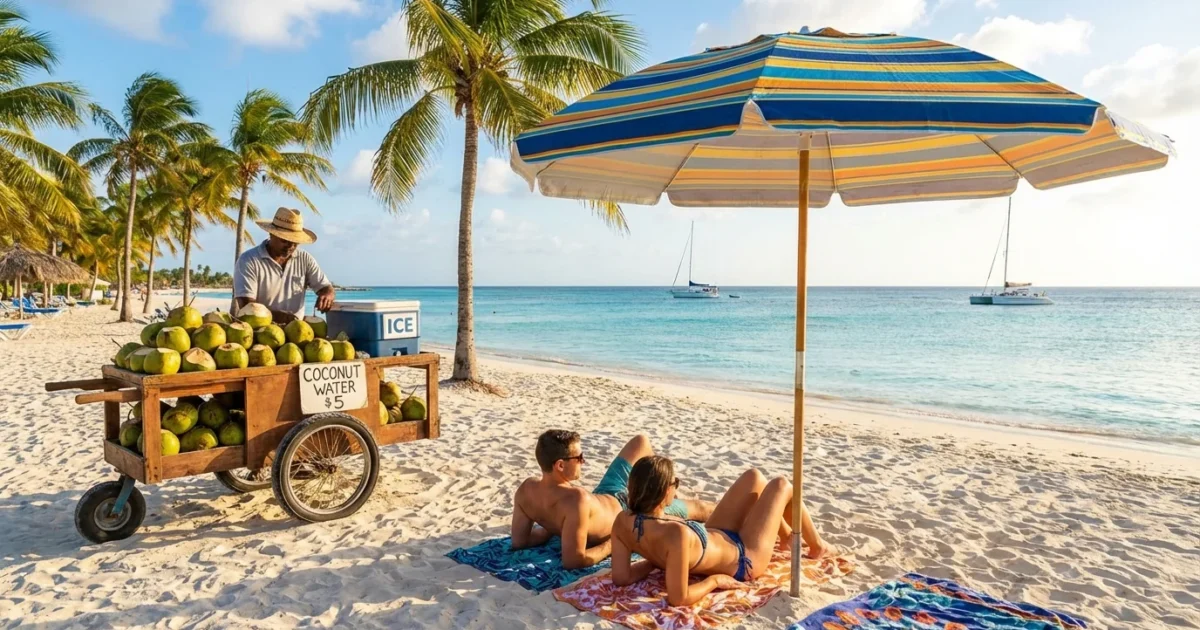
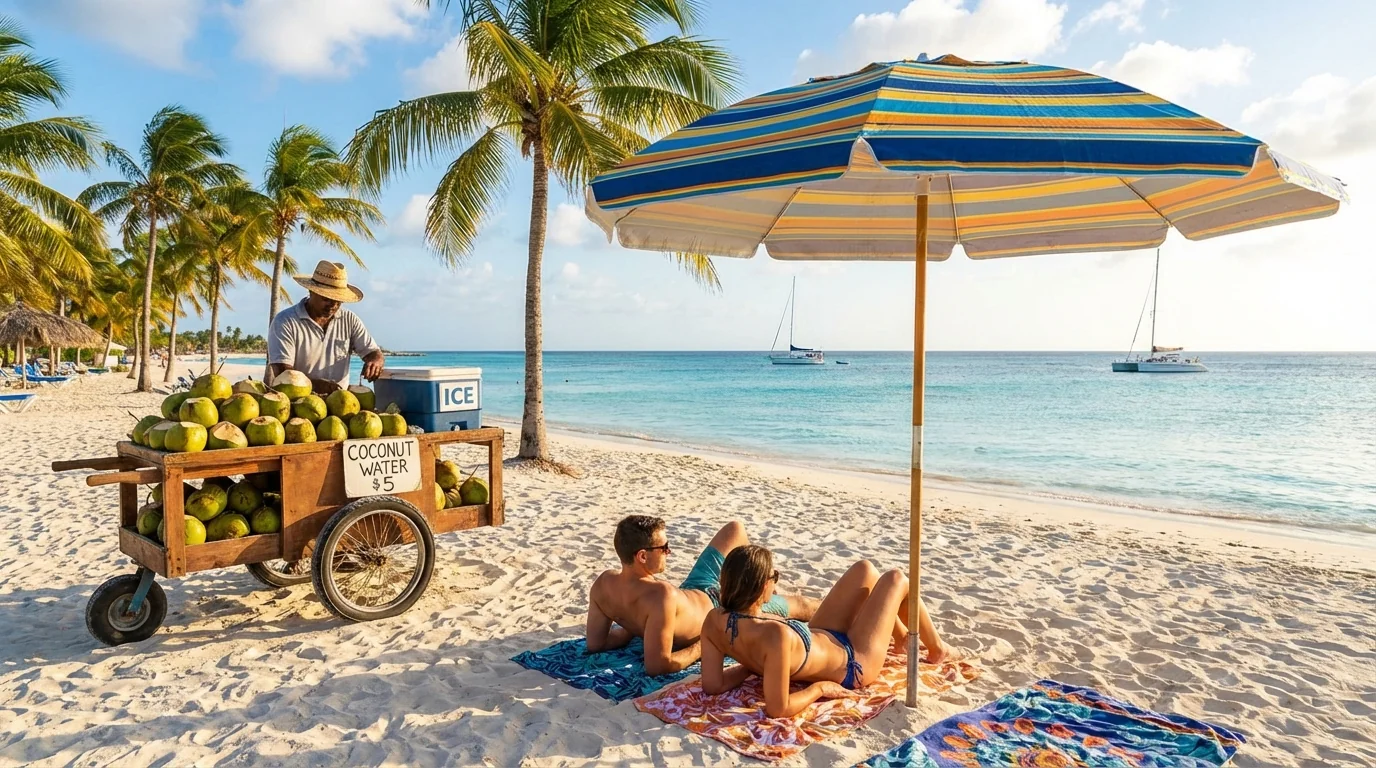
Oranjestad, the capital, feels easy and bright. Cruise piers, shops, and pastel blocks sit along the harbor. Palm Beach and Eagle Beach stretch north with big name resorts and soft sand. Trade winds cool hot afternoons, yet the sun stays strong. Aruba’s desert look surprises many. Think cactus, divi-divi trees, and limestone cliffs above neon water.
Arikok National Park covers almost a fifth of the island. It is rugged and beautiful. You will find lava rock, caves, and natural pools guarded by waves. On the south side, Baby Beach offers gentle water and classic turquoise scenes. On the west, Hadicurari hosts windsurf and kite sessions that rip across the flats. Snorkelers head to Mangel Halto for clear channels. Divers chase the Antilla wreck, an easy, photogenic giant.
Trade winds can hide a fierce sun. Reapply sunscreen, drink water, and plan midday shade.
Travel logistics made simple
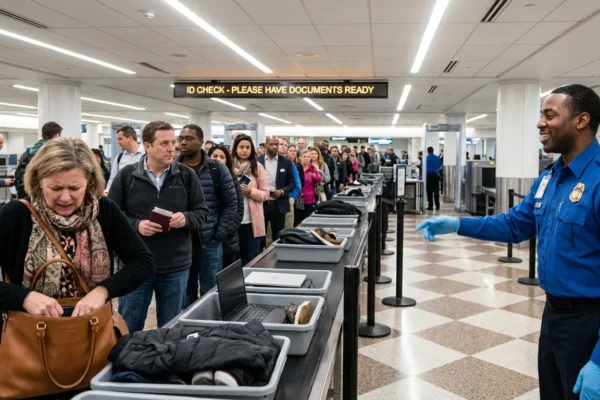
Queen Beatrix International Airport runs smoothly for a busy hub. Checkpoints move at a steady clip. Returning to the United States is easier thanks to on-island U.S. preclearance. You clear immigration before boarding, which saves time on arrival back home.
Driving is on the right. Signs use kilometers. Roads are in good shape along the hotel zone and main routes. Taxis use set fares per zone, not meters. The public bus, Arubus, links the resort area, the capital, and key beaches. Rental cars help if you want to roam, especially for early park entries.
US dollars are widely accepted, along with Aruban florins. Most cards work. Power outlets are the same as in the United States. That means no adapters for American travelers.
U.S. preclearance operates daily, but hours can shift by season. Check your flight time and arrive early.
How to plan and book for 2026
Here is the playbook. It focuses on control, value, and weather.
- Hold winter and spring weeks now, especially for beach front rooms
- Target May and late August to early November for softer rates and steady sun
- Lock flights and hotels on the same day to sync savings windows
- Keep a flexible cancel policy, even in a low risk weather zone
Aruba’s resort corridor is seeing upgrades and fresh dining, as the wider Caribbean adds new hotels in 2026. That adds choice, yet peak weeks will still sell out. Early booking secures better room views and shorter walks to the sand. Airlift is competitive from North America and Europe, but nonstop seats for weekends always go first.
If you can travel midweek, you often find lower fares and quieter beaches.
What to do once you land
Start with the beaches. Eagle Beach often feels wide, calm, and stunning at sunset. Palm Beach is livelier, with boardwalk energy and water sports stands. Reserve a palapa early in the day if shade matters. Head to Arikok at dawn for softer heat, then reward the hike with a swim at Conchi, the natural pool. Book a guided 4×4 tour if you want an easy path in and out.
Food is a highlight. Try pastechi for breakfast, a flaky local pastry. Dinner swings from seaside grills to Dutch pancakes to fine dining. Make at least one reservation away from the hotel strip. San Nicolas, on the south end, blends street art and cafes with a slower local pace.
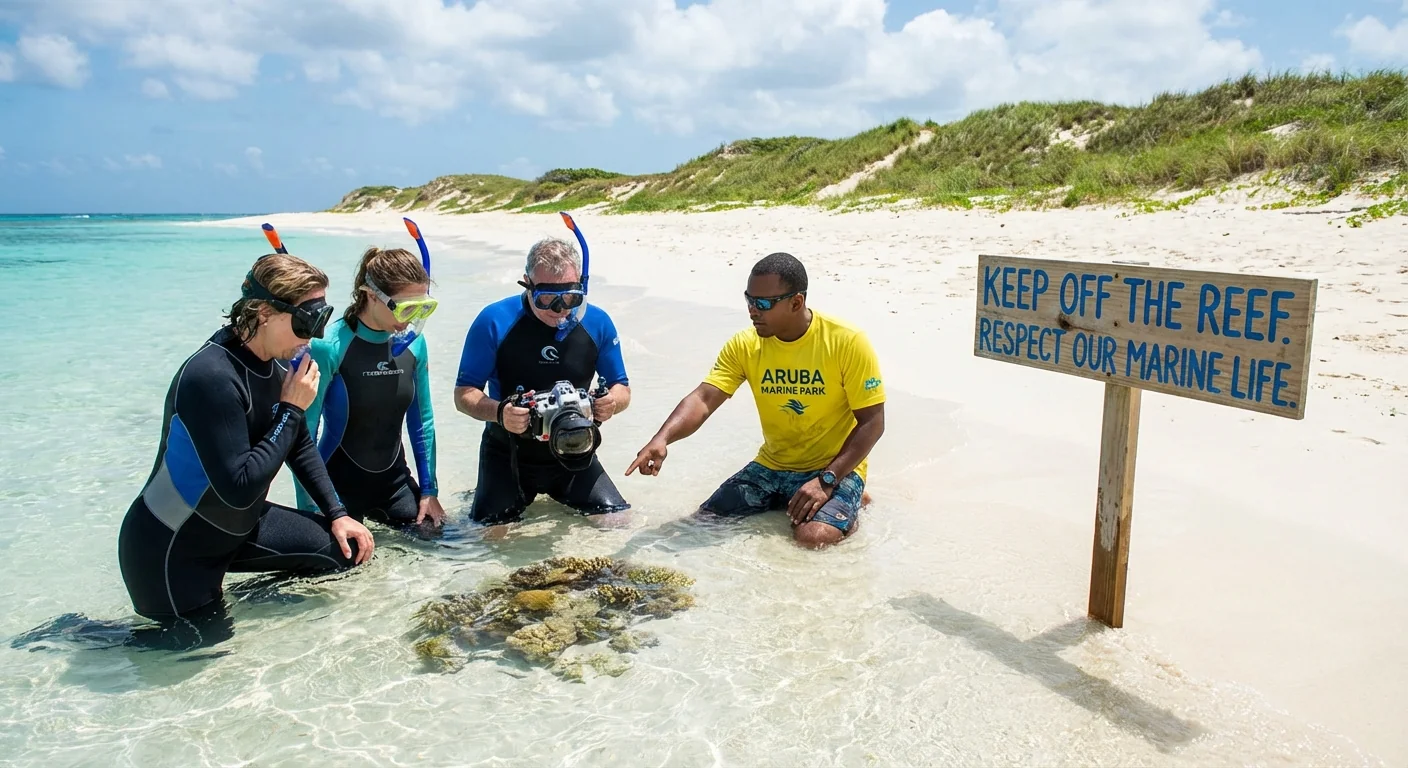
Respect the wild side. Coral is fragile. Keep fins off the reef. Pack out what you bring. Do not park on dunes. The island’s beauty lasts when visitors act as stewards.
The bottom line
Aruba offers a rare mix right now. Safer streets, steady weather, and well-oiled tourism systems give travelers confidence. Add the 2026 hotel surge around the region, and Aruba’s consistency becomes a winning edge. Book early for prime dates. Aim for shoulder months if you want value and space. Then let the trade winds do the rest. Aruba is ready, and your trip likely will be too.