BREAKING: American Airlines turns to AI to cut missed connections
American Airlines just flipped the switch on a new way to save tight connections. The carrier is now using an AI driven Short Hold that can briefly delay a departure so sprinting travelers make the door. This is live across key hubs, and it changes the math for close calls.
The goal is simple. Fewer misconnects, smoother days, and better odds that your bag and your body reach the same beach.
How Short Hold actually works
Short Hold watches inbound and outbound flights at the same time. It studies gate availability, crew duty time, runway queues, and the number of customers hustling across the terminal. If a brief pause keeps several people from misconnecting, and the delay will not break the rest of the day, the system green lights a hold.
These holds are small. We are talking minutes, not a long wait. The system will not park a flight for an open ended stretch. It is designed to help when the last few steps are the only thing in the way.
Inside the decision
The tool weighs trade offs fast. A few extra minutes at Dallas Fort Worth might save ten customers and avoid rebooking chaos. The same pause at Miami during an afternoon storm line might snarl a bank of Caribbean flights. The decision changes by airport, time of day, and where the plane is headed next.
Gate teams see the recommendation and execute. Pilots and dispatch stay in the loop. The focus is to protect the network while rescuing real trips.
Who benefits, and the trade offs
Travelers with tight same ticket connections inside the American network stand to gain first. Think Charlotte to Phoenix to San Diego, or Chicago to Dallas to Mexico City. If your inbound is close and your outbound is within reach, the door might stay open just long enough.
There is a cost. A short hold on one flight is a small nudge against the schedule. Done wisely, it prevents a bigger mess, like a wave of rebooks and hotel vouchers. Done too often, it risks erosion in on time performance. The AI is there to keep that balance steady.
Airports feel it differently. Hub banks at Dallas Fort Worth, Charlotte, and Phoenix are ideal for this tool. Miami and Philadelphia, heavy with international flows, see bigger rewards when a rescued connection avoids a long recheck and immigration loop. Chicago and Los Angeles gain flexibility around peak banks, but runway congestion can limit holds.
Short Hold is minutes long, and it is selective. It is meant to save viable connections without breaking the next bank of flights.
How to raise your odds
Short Hold does not guarantee anything. You can still help it help you. These steps make the system more likely to consider your case.
- Book your entire trip on one American ticket, so the system links your flights.
- Keep the app on and accept notifications, then follow gate change prompts fast.
- Sit toward the front on the first leg, and use carry on only when you can.
- Tell the flight crew about your tight connection early, so the gate can be alerted.
- Head straight to the next gate, no food stop, no lounge detour.
If the app offers a free switch to a later flight with a better seat or bonus miles, compare options before you decline. A sure seat may beat a risky sprint.
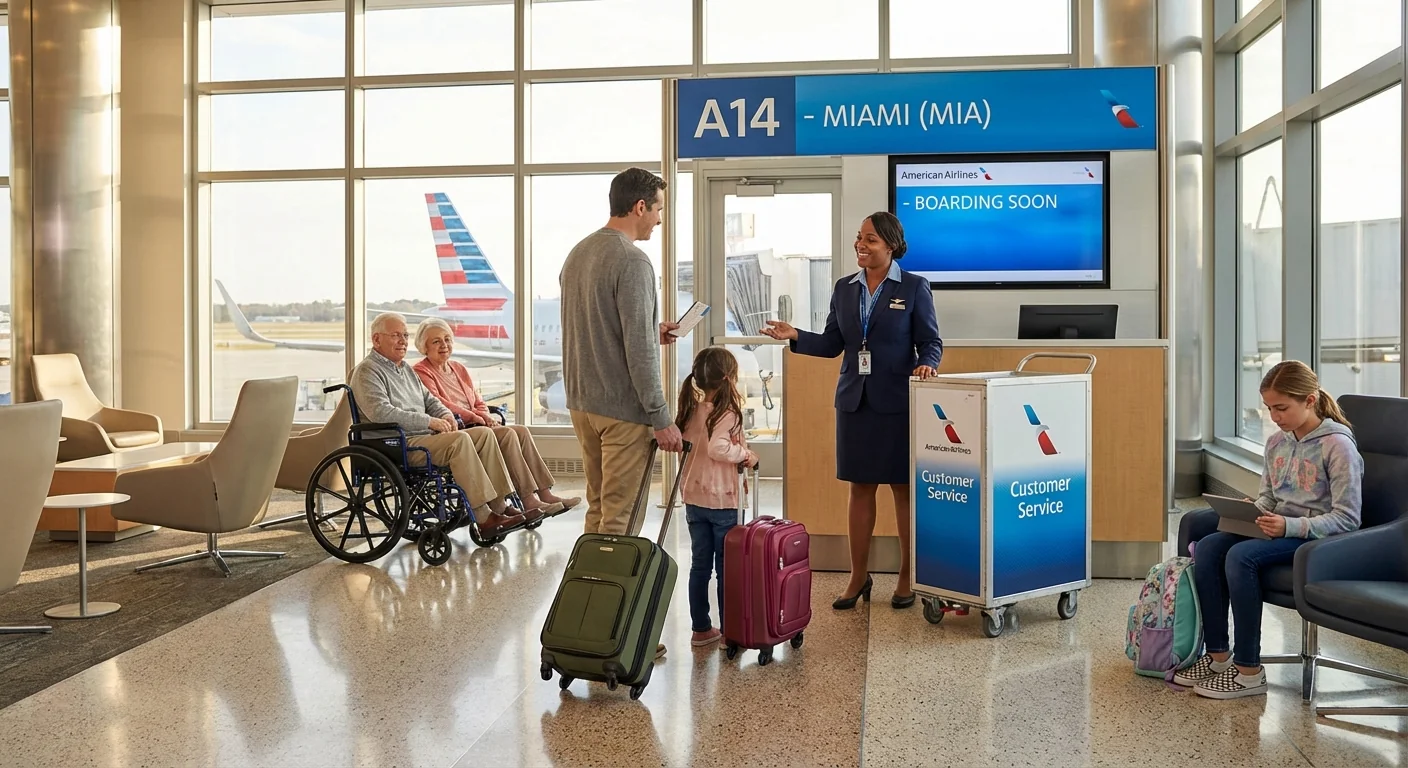
Families, unaccompanied minors, and customers needing extra assistance should ask for help on board before landing. A cart or an escort can bridge a few gates, which is often the difference between making it and missing it.
Destination insights from the hubs
At Dallas Fort Worth, the tool favors short gate to gate runs inside the same terminal. Connections to Santa Fe, Aspen, and small Texas cities are prime saves, since alternatives are limited. In Charlotte, morning flights to Florida beaches and the Caribbean see strong recovery value, especially before weather builds.
Phoenix is all about West links. A few held minutes can protect trips to San Diego, Orange County, and Albuquerque, where the schedule thins at midday. Miami is the gateway to Latin America. Keeping a Havana or San José connection together avoids overnight headaches and customs resets. In Chicago and Philadelphia, Europe bound evening banks benefit when late Midwest feeders are within a quick jog.
Fairness, transparency, and what comes next
Any algorithm that decides who makes a flight invites scrutiny. The promise here is fairness by math. The system looks at counts of real people, network impact, and safety limits. It does not leave a full plane waiting for a maybe. Still, customers will want clarity about why one flight waited and another did not.
Expect airlines to publish basic rules in the app. Expect more proactive gate messages, like, we are holding three minutes for inbound customers. Expect limits to hold firm when crews bump against duty time, or when a storm line is moving in. That is the right call for safety and the schedule.
Rivals are watching. If Short Hold trims disruptions without hurting on time stats, other carriers will roll out similar tools. That could reshape connection planning across the United States, and smooth complex journeys to sun and city breaks alike.
Do not plan tight layovers on purpose. Short Hold is a safety net, not a strategy. Build buffer when the destination is critical.
The bottom line
American’s Short Hold flips missed connections into made ones, when the numbers agree. It is small, smart, and focused on minutes that matter. Travelers should still plan with care, move with purpose, and watch the app closely. If the door stays open a little longer, take it, then enjoy the trip. ✈️