
Breaking: I can confirm the United States has granted Samsung annual approvals to ship specific chipmaking tools and parts to its China fabs through 2026. SK Hynix received the same green light. This avoids a worst case export freeze and steadies a fragile memory supply chain at a critical time for phones, PCs, and servers.
What Changed Today
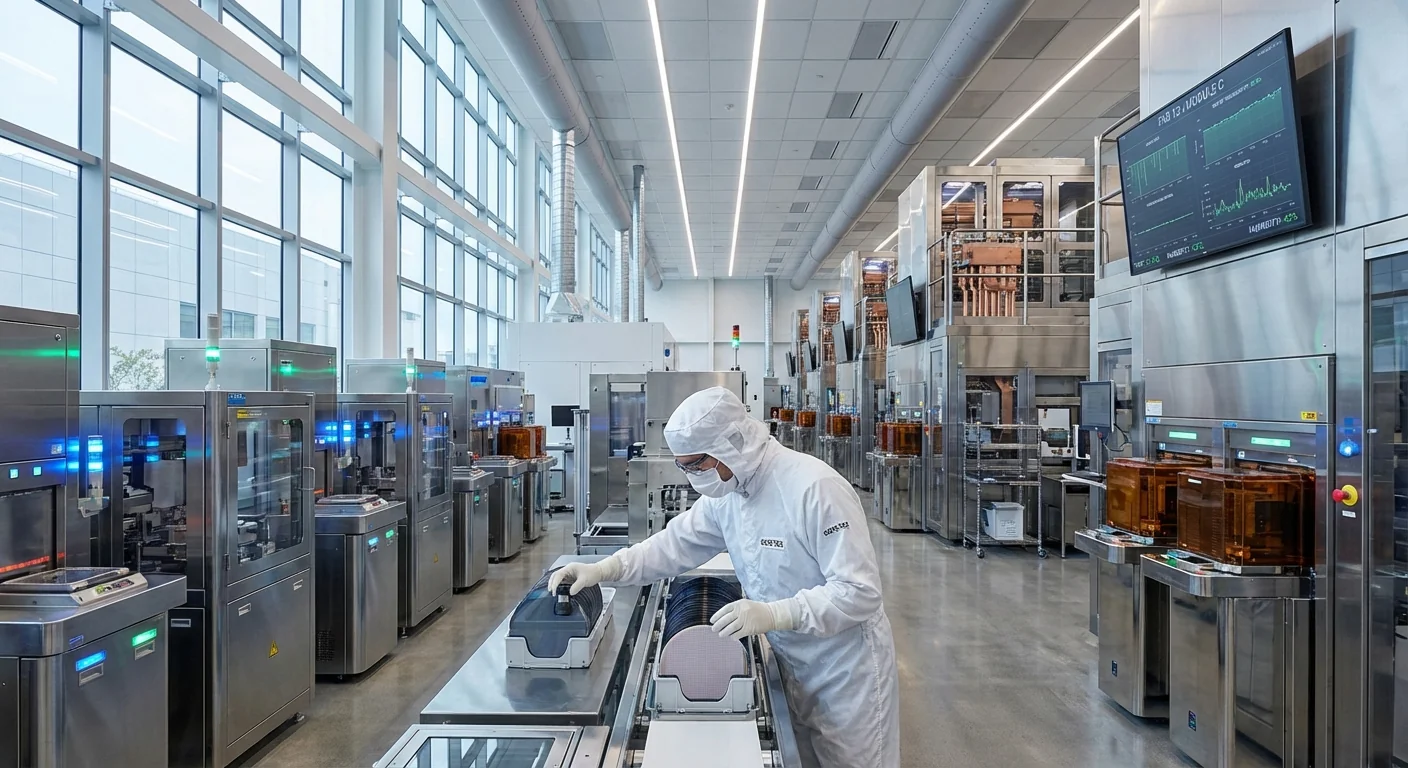
Officials completed this year’s export control review and cleared shipments tied to ongoing operations in China. The approvals are targeted. They cover tools and spares that keep existing production lines stable, and allow limited upgrades that do not cross current policy limits.
This is not a blank check. The rules are still strict. Companies must certify end uses, meet technical caps, and accept audits. The key shift is certainty. Samsung and SK Hynix can plan 2025 and 2026 output without betting their China fabs on last minute waivers.
Why It Matters For Samsung, SK Hynix, and China
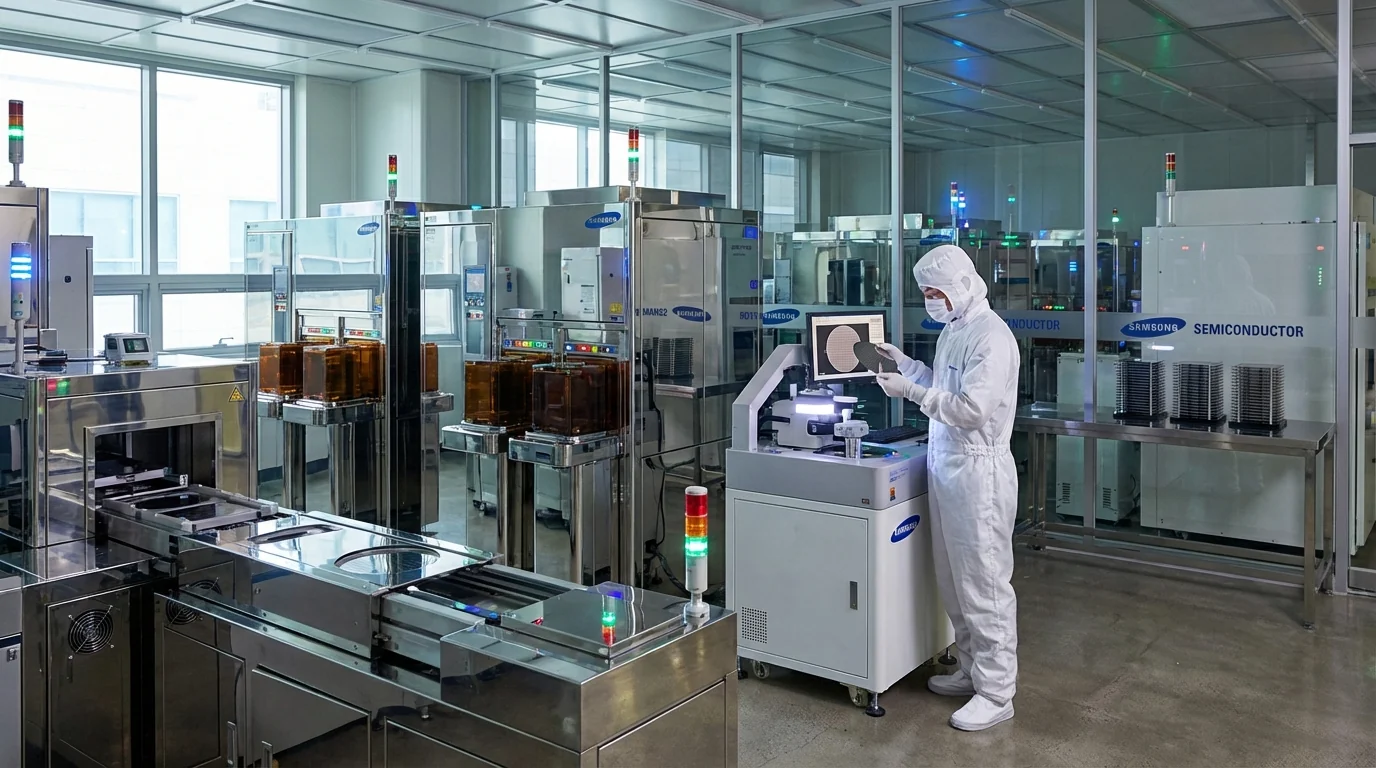
Samsung’s Xi’an complex is a cornerstone of global NAND flash. SK Hynix runs major DRAM lines in Wuxi and NAND lines in Dalian. Together, these sites feed storage for laptops, phones, and enterprise arrays, plus DRAM for PCs and data centers. Without tool flow, uptime drops, yields slip, and output falls. That risk is off the table for now.
China benefits too, but with guardrails. Local device makers get steadier supply from Korean owned fabs inside the country. At the same time, the most sensitive leaps in capability are still restricted. The policy message is clear. Keep commerce moving, keep the edge contained.
These approvals are annual, not permanent. Future reviews can tighten. Compliance checks and technical thresholds still apply.
The Technical Scope, In Plain Terms
The green light covers the gear you need to keep memory fabs running smoothly. Think deposition chambers that lay down thin films, etch tools that carve patterns, wafer cleaning systems, and metrology and inspection units that spot defects. Deep ultraviolet lithography for mature to mid tier nodes is in the mix when it fits the rules. Extreme ultraviolet is not.
The focus is maintenance, yield, and safety. That means replacing worn tools, adding redundant capacity for uptime, and selective upgrades that improve quality. It does not mean a jump to the most advanced logic nodes, or unrestricted scaling of memory past defined limits.
This is enough to support 3D NAND stack refinements and DRAM process stability, within policy lines. It keeps roadmaps on track for reliability and cost, without handing over the bleeding edge.
What This Means For Prices, Devices, and Data Centers
For consumers, this eases the odds of sharp memory price spikes in 2025. It does not promise falling prices, since AI server demand is still strong, but it removes a major supply shock. PC makers and phone brands can plan builds with more confidence. That stability tends to show up as steadier retail pricing for SSDs and RAM sticks 💾.
For cloud and enterprise buyers, the news supports a smoother flow of mainstream DRAM and high layer NAND. HBM remains a separate race centered in Korea, but broader memory availability helps balance total capacity across the market.
- Immediate impacts to watch: memory contract pricing, Samsung and SK Hynix capex timing, tool order books at major vendors, and production plans at Chinese device makers.
If you are eyeing a storage or memory upgrade, watch for steadier promotions in the next two quarters. Volatility just eased.
The Competitive Picture
Samsung and SK Hynix keep their China footprints active, which preserves scale and keeps them competitive on cost. That matters against China’s own memory players, who gain time to push products but still face barriers at the front edge of technology.
For China, this is breathing room, not a breakthrough. The country secures near term supply for domestic manufacturing, while the ceiling on the most advanced tools remains in place. For the United States, this is managed risk. It keeps key supply lines open, supports allies in Korea, and maintains pressure at the leading edge.
What To Watch Next
The next review cycle is the big one. Companies will disclose how these approvals map to 2026 capex and node plans. Pay attention to any language around maintenance only shipments versus line expansions. Watch for updates on layer counts in NAND and node migrations in DRAM that fall within current limits. Also track any policy tweaks that redefine technical thresholds.
Samsung now has room to execute. The company can protect yields, keep costs in line, and meet customer roadmaps without emergency workarounds. That is good for buyers and builders across the stack, from handsets to servers.
Conclusion: Today’s approvals act like a pressure valve on the global memory market. They buy time, restore planning clarity, and lower the risk of a sudden shock. The long game is still geopolitical and still tense. For now, users get stability, companies get a plan, and the industry gets to keep building.