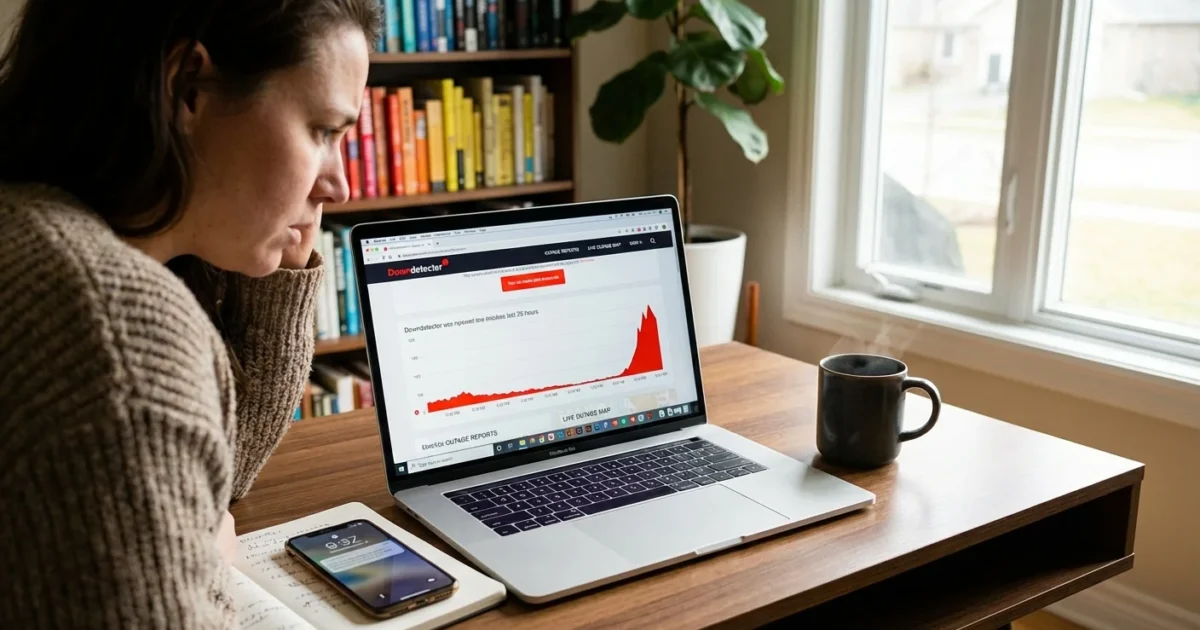
Breaking: Downdetector lights up as X outage ripples worldwide
I watched Downdetector spike in real time today as X, formerly Twitter, stumbled hard. Within minutes, the outage curve jumped from a calm baseline to a wall of reports across multiple regions. The pattern was clear. This was not a local hiccup. It was a broad incident that blocked timelines, logins, and posting for thousands of users. Service began to recover soon after, but the surge told its own story.
What the spike revealed
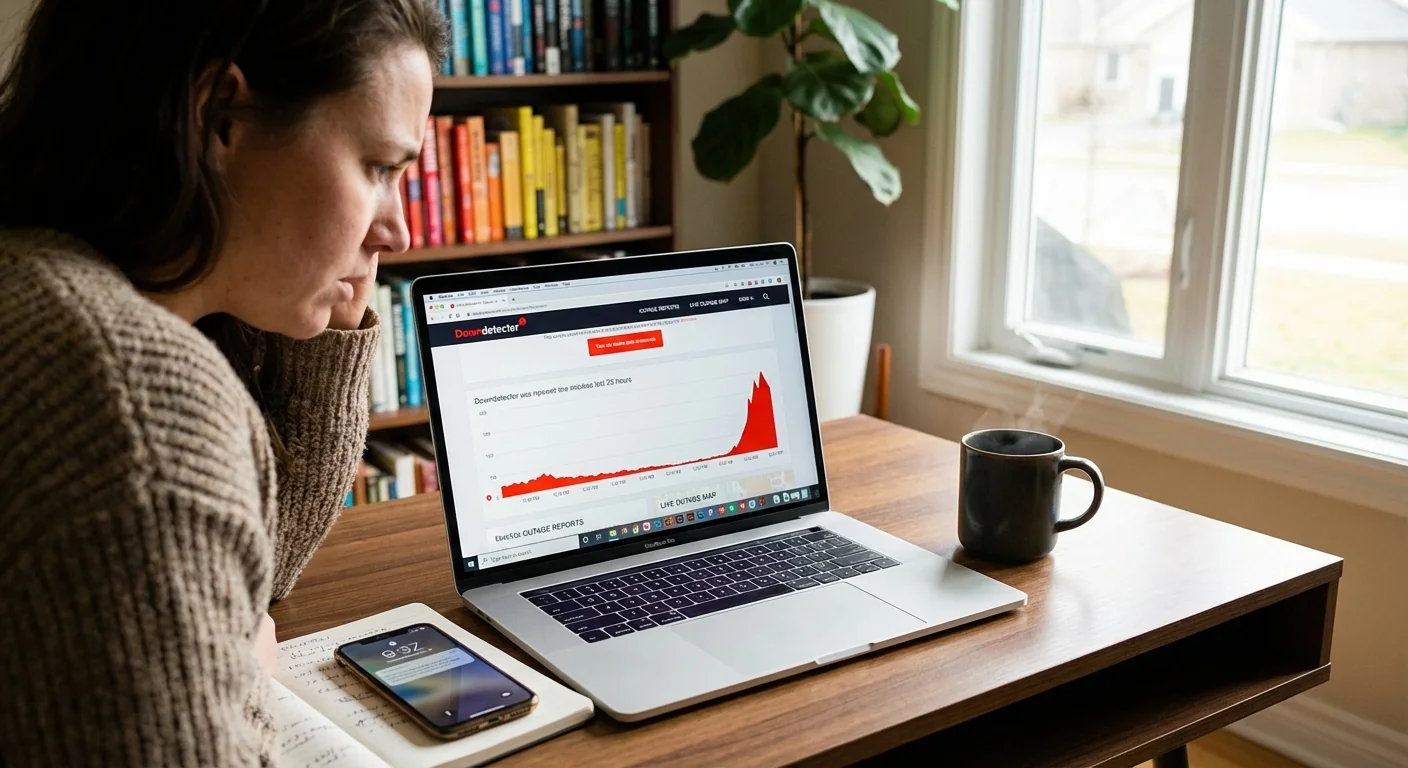
The first wave of reports clustered around major U.S. hubs, then Europe and parts of Asia lit up. That spread is a classic sign of a platform-wide problem, not a single carrier fault. Reports described empty feeds, failed requests, and broken session checks. Some users could read but not post. Others were locked out. Outages rarely hit every feature the same way. Today fit that playbook.
The curve bent toward recovery about an hour after the peak. That soft slope usually means engineers are rerouting traffic or rolling back a change. It is the shape you see when a fix is live but still propagating. Not a clean snap back, but a steady climb toward normal.
How Downdetector actually works
Downdetector is not an official status page. It is a crowd-powered sensor. People submit reports when something breaks. The service groups those reports by app, time, and location. It looks for sudden jumps that rise far above normal chatter. It also tags which features might be failing, based on what users write and select.
Behind the scenes, the system clusters signals by network, city, and platform. A spike that hits one country often points to an ISP or routing issue. A spike that hits many regions at once points to the app itself. Cross checks with related services help filter noise. For example, if X reports surge while other apps stay calm, that strengthens the case.
This model is fast, and that is its edge. It can show trouble before a company posts an update. But it has limits. A regional fiber cut can look like a global meltdown if reports flood in from one big metro. A browser extension can break a login and trigger false alarms. The human factor is always in the loop.
Downdetector is a signal, not a verdict. It reflects user reports, which can be skewed by local issues or ISP problems.
Why this matters for platforms
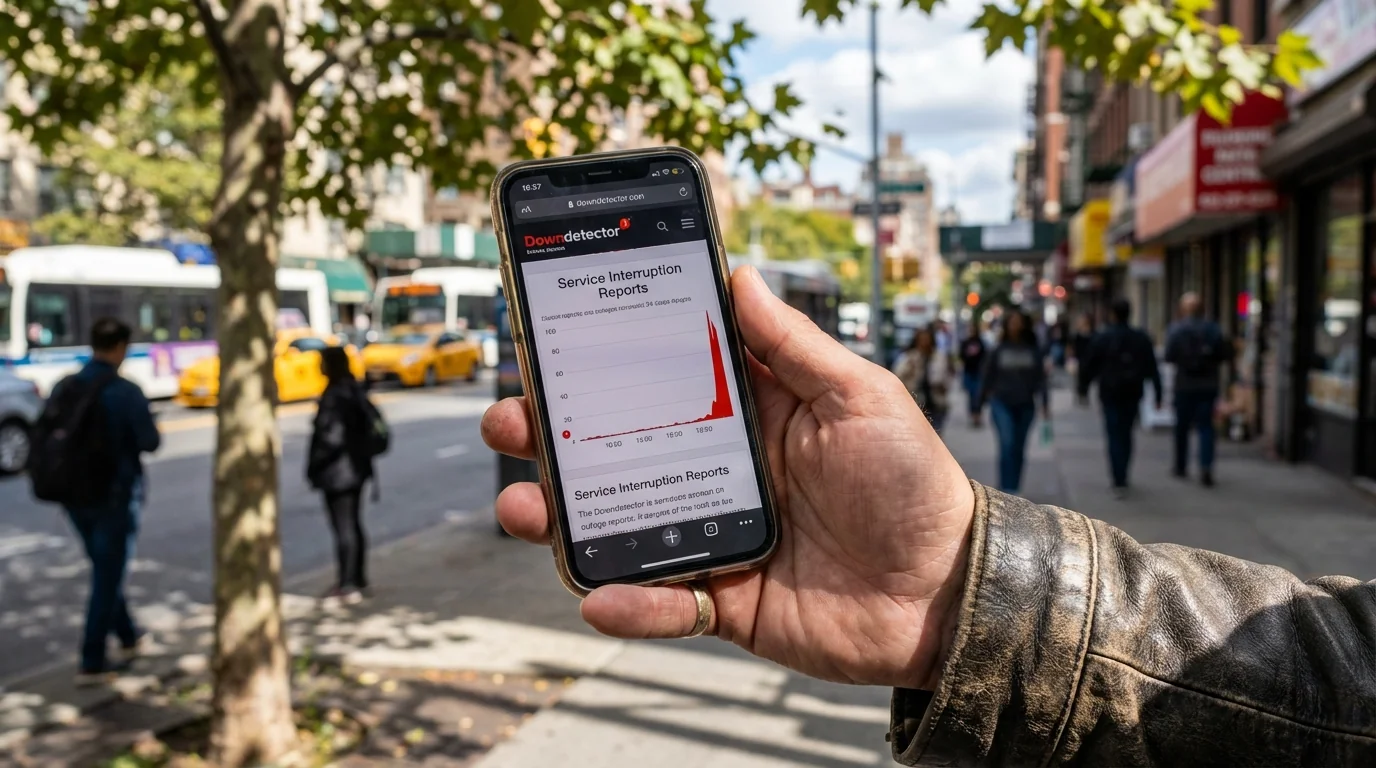
Downdetector has become the internet’s hallway monitor. When a major app slips, the alarm rings there first. That puts real pressure on platform teams. Silence is now a message, and users fill the gap with crowd data. Public graphs become the de facto incident page, even when the company has not said a word.
Inside big tech, site reliability teams watch these curves too. External telemetry helps them confirm the scope of an incident, and whether a fix is working worldwide. If the curve falls in North America but stays high in Europe, they know traffic still needs to shift or caches still need to warm. That feedback loop is blunt, but it is useful.
There is a business side as well. Outages bruise trust, and they burn time windows for ads and live events. When the entire internet can watch your downtime minute by minute, the reputational hit lands faster. The flip side is clear. A quick, visible recovery restores confidence just as fast.
What users should do during an outage
When your timeline dies, it is tempting to reinstall the app or reset passwords. Slow down. A few simple checks save you time and stress.
- Confirm the scope on Downdetector and the official status page.
- Try a different network, switch between Wi Fi and cellular.
- Log in from the web if the app fails, or vice versa.
- Wait a few minutes before changing settings or credentials.
If reports are rising fast and across regions, it is likely not you. Avoid risky fixes and wait for recovery.
Today’s takeaway
Today, Downdetector acted as the early siren for X’s outage, then as the recovery scoreboard. The spike showed a widespread incident that hit many regions at once, then eased as service returned. The episode highlights the power of crowd sensing, and its pitfalls. It is fast, public, and imperfect.
For users, it is a simple rule. Check the signal, then pause. For platforms, it is a reminder that the first update many people see is not your status page. It is a heat map you do not control. In 2026, that is part of the game. And today, the internet played it in plain view. 🔎