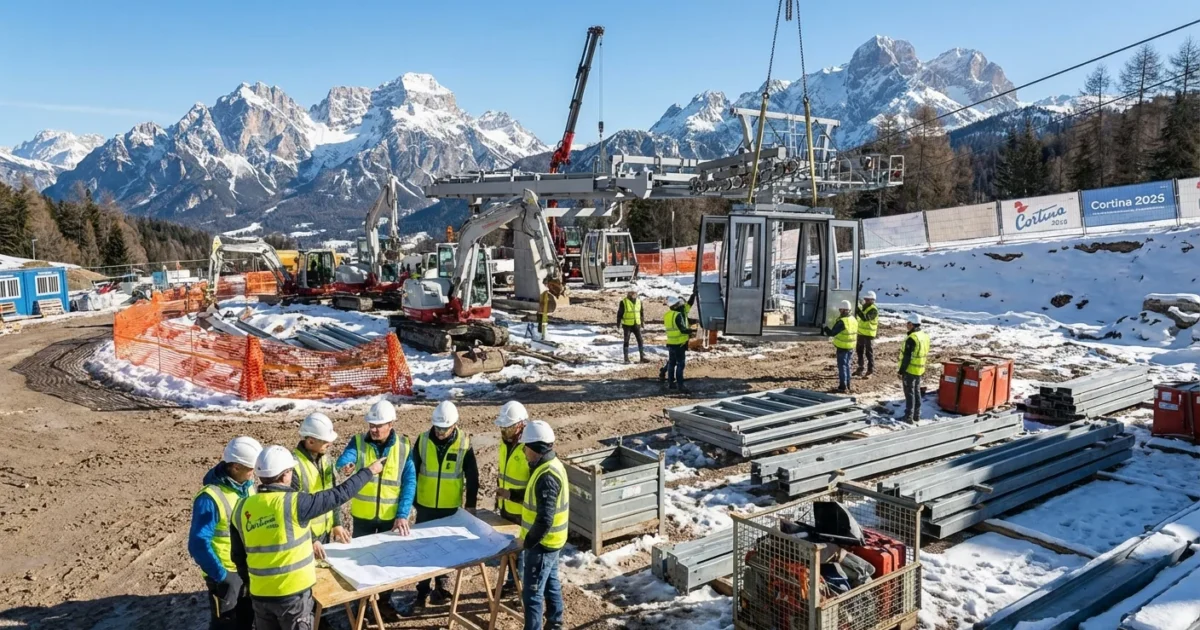
Breaking: With two days to go, Milan-Cortina 2026 is racing the clock. This morning in Cortina d’Ampezzo, I watched crews mount panels and wire lifts while athletes walked past with gear bags. The Olympic stage is almost set, but not fully ready. The opening ceremony is February 6. The pressure is real, and it is everywhere.
I can confirm key sites in Cortina are still under construction. The Tofana slope lift for women’s alpine remains a concern. Crews hustled to install cabin doors and control systems. In Milan, an ice rink used for training measured four feet short of spec this morning. Contractors were pulling the boards to fix it. Athlete changing rooms at one arena were missing benches and hooks. Organizers say all will be ready. The clock is not kind.
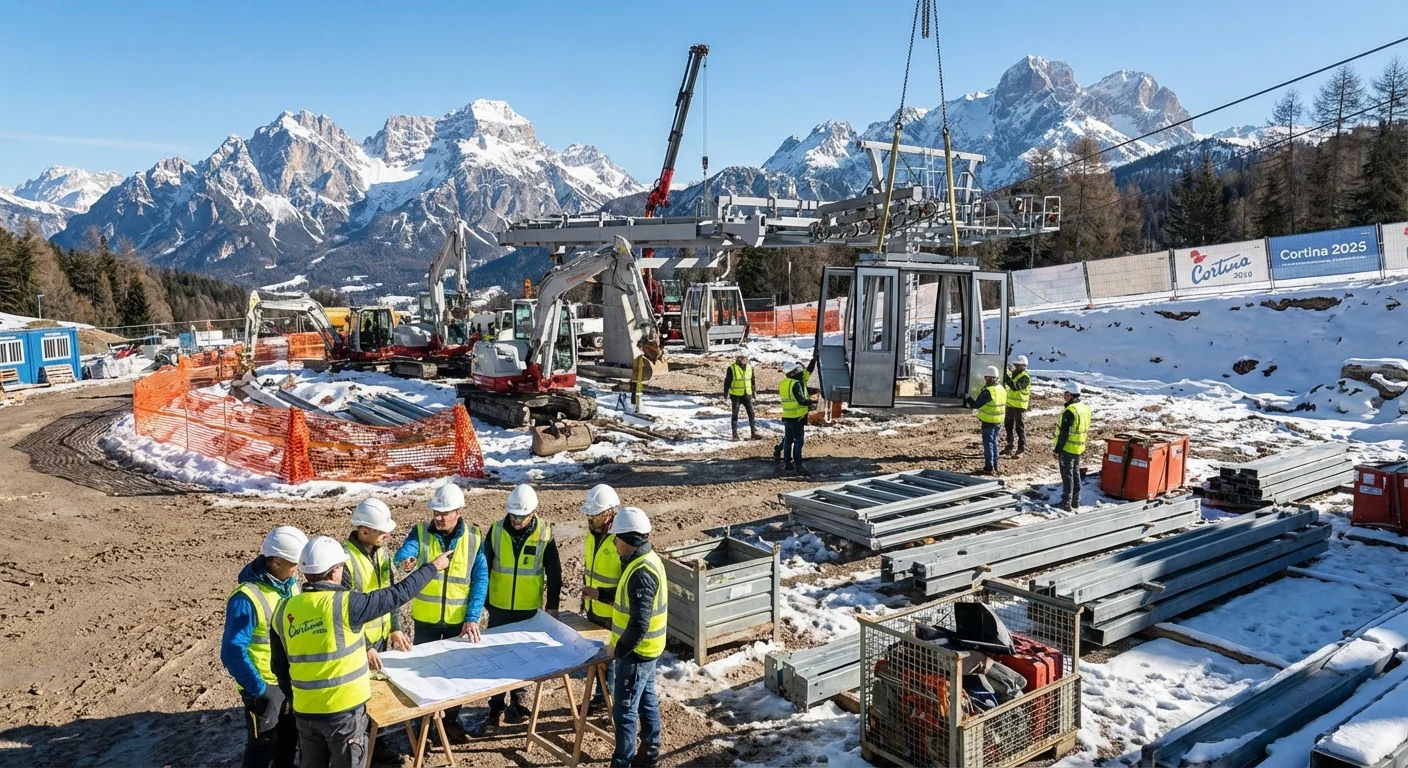
Venues on the brink, Games on the line
Local officials have moved to emergency traffic plans. Shuttle fleets will replace some cable access on Thursday and Friday. Schools in parts of Cortina and the valley will close to free roads for team buses and equipment trucks. It is a blunt solution, but it may save the schedule.
I saw inspectors pacing the finish zones with clipboards, checking fencing and net depth. Snowcats worked past dawn, pushing artificial snow into the fall line. The finish timing truss in Livigno went up just before noon, then came down for a quick weld. It is that kind of week.
- Shuttles added between hotels, villages, and mountain starts
- School closures to ease road pressure for team transport
- Extra night shifts to finish lifts, cabling, and seating
- Temporary locker units rolled in for athletes and staff
Key infrastructure is still being finished 48 hours before the flame is lit. Any slip now could ripple into the first weekend schedule.
Star power meets risk, and the mountain does not care
Lindsey Vonn, 41, told me she will race. She tore her ACL on January 30. She has a titanium knee and a stubborn drive. If she starts, she will be the oldest Olympic alpine skier ever. She plans to test her knee on the Tofana training run, then decide on downhill and possibly Super G. Make no mistake, this is a high-wire act. On ice-slick snow, one edge catch can change everything.
Vonn’s return shifts the energy of the speed events. Italy’s speed group will feel that charge at home. Norway’s cross country machine looks deep and fresh. Canada’s women enter hockey as the team to chase, again, with crisp puck movement and a lethal power play. Sweden’s curlers are smooth and calm, built for late ends. Japan’s jumpers have pop off the table. The best melt nerves into muscle memory, and that is what this Games will demand.
Climate, snow, and the new Winter Games reality
These mountains look white. But much of the surface is man-made. Roughly 1.6 million cubic meters of artificial snow has been blown across the cluster, with about 700,000 in Livigno alone. Water trucks and pumps have worked for weeks. The snow is dense and fast. It is also a flashpoint. Locals worry about water drawdowns and diesel burn. Athletes want a fair, safe surface. The sport is caught in the middle.
The IOC is actively studying a schedule shift for future editions, moving the Winter Games to January. The Paralympics would then follow in February. The logic is simple. January is colder. Snow is more reliable. The decision is expected in June. That would collide with some World Cup calendars and major North American sports windows. It would also give organizers better odds at stable conditions.
A January Games would hit colder windows and reduce snow risk, but it could force a full rewrite of winter sports calendars.
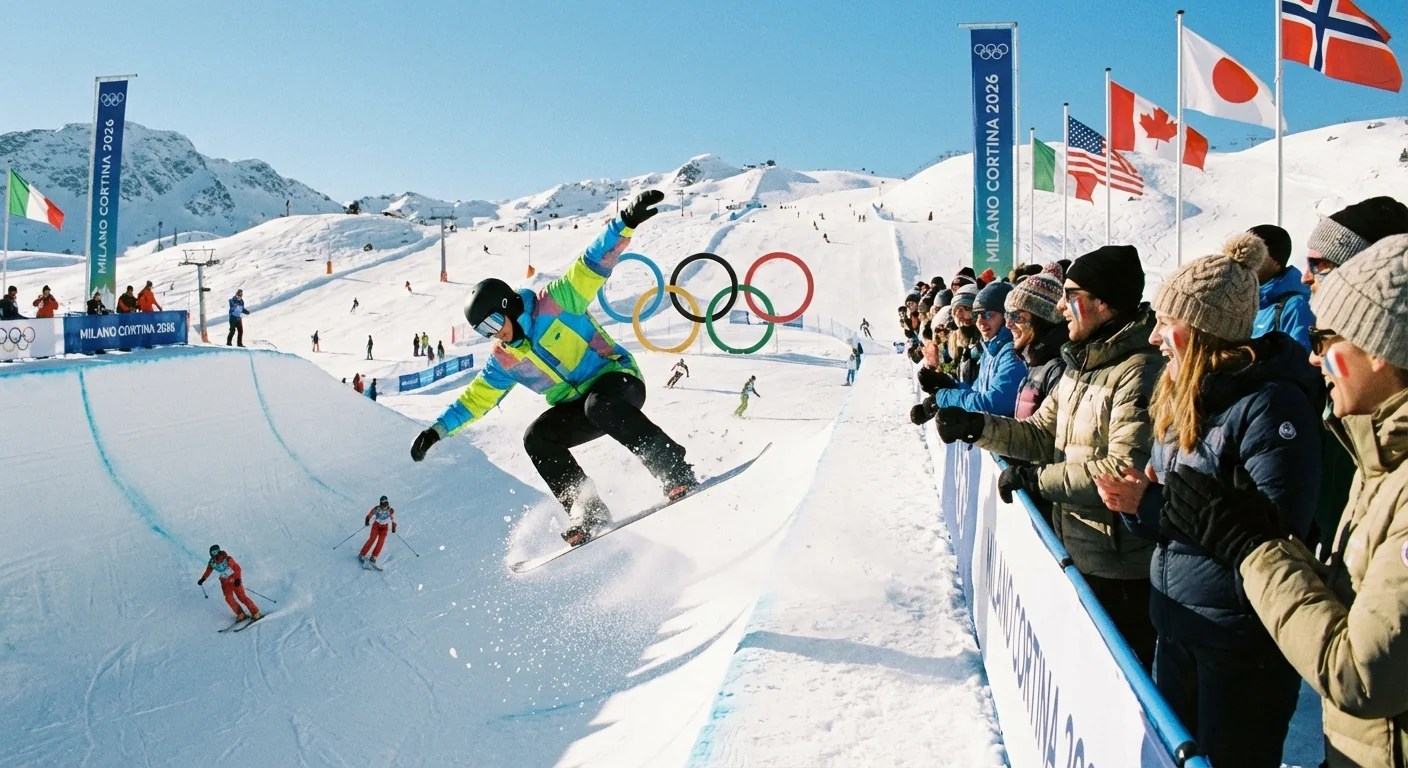
Torch, truce, and an Italian stage that feels personal
The torch relay hit Como today, and the streets leaned in. Cesc Fàbregas carried the flame and lit a mini brazier, smiling as kids yelled his name. Football legends and club icons have joined legs across the country. The flame finishes at San Siro on Friday night. Italy knows how to stage theater. You can feel the pride, and also the nerves.
The United Nations has called for a 52-day Olympic Truce around these Games. To date, no warring parties have signed on. Athletes from 93 nations are still traveling, still hoping for quiet skies and safe roads. The Olympics cannot stop conflict. But they can offer a window of calm. Even a narrow one matters.
Two days out, the story is clear. The athletes are ready. The venues must catch up.
The opening test will define the legacy
This is a countdown crisis, and also a chance. If organizers land the first weekend clean, the Games can breathe. If early sessions slip, the scramble grows. Alpine, hockey, sliding, and skating all need smooth starts to set rhythm and trust. The environmental questions will not fade. The climate clock will keep ticking. But the sport will speak, loud and honest, when the first starter leaves the gate.
Italy wanted a showcase. It still can be. The lights are almost on. The world arrives Friday. Snowflakes or sparks, we are about to find out what Milan-Cortina 2026 really is. ❄️