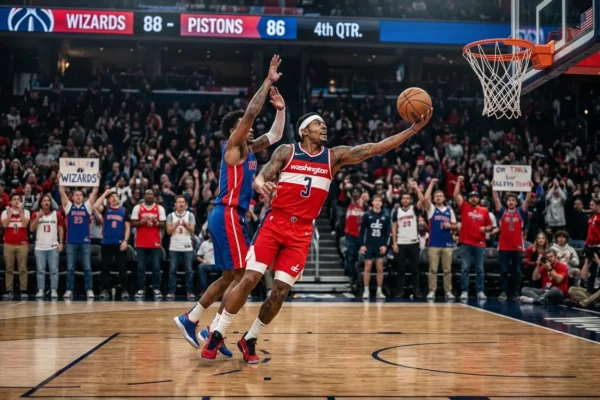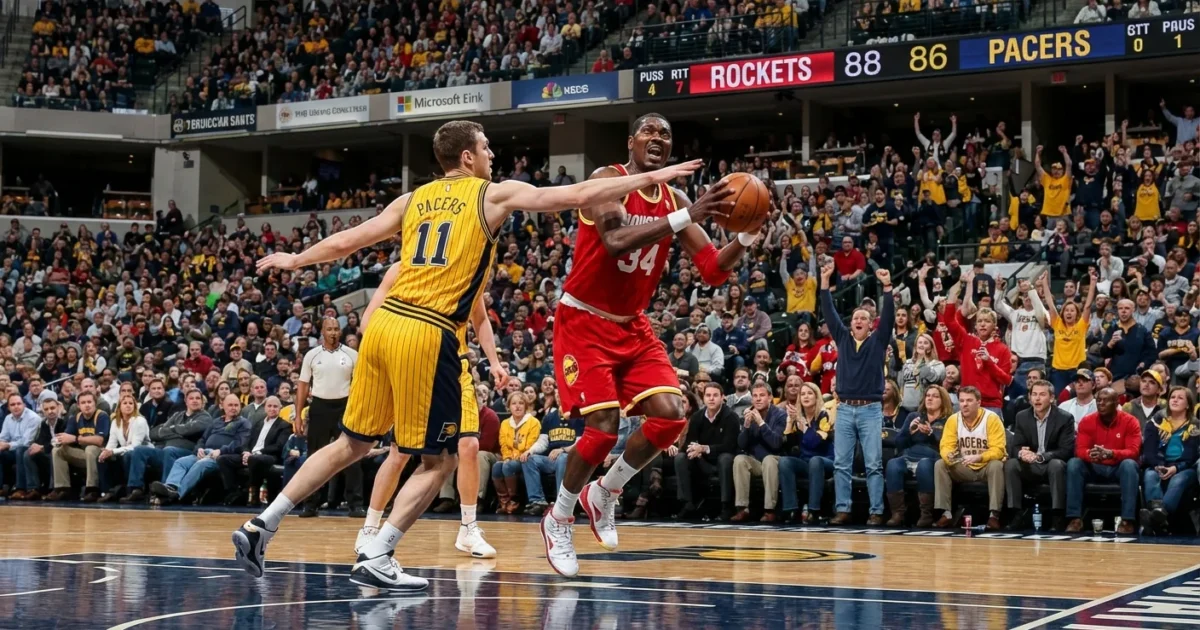
Breaking: Houston and Indiana just staged a midseason test that felt like April. The Rockets brought their bruising defense. The Pacers answered with pure pace and movement. Last minute availability calls shook up both rotations. The game turned into a chess match, possession by possession, and it said a lot about where each team is headed.
The Game, Fast and Physical
From the opening tip, the styles clashed. Indiana tried to run. Houston tried to grind. The first quarter was a tug of war. The Pacers pushed makes and misses, hunting early threes and slips to the rim. The Rockets slowed the rhythm, forced half-court sets, and dared Indiana to finish in traffic.
Both coaches leaned on identity. Houston hit the glass and walled off the paint. Indiana moved the ball and pulled bigs into space. Every run drew a counter. Every timeout brought a new coverage. This was not a track meet. It was a sprint, then a shove, then a sprint again.
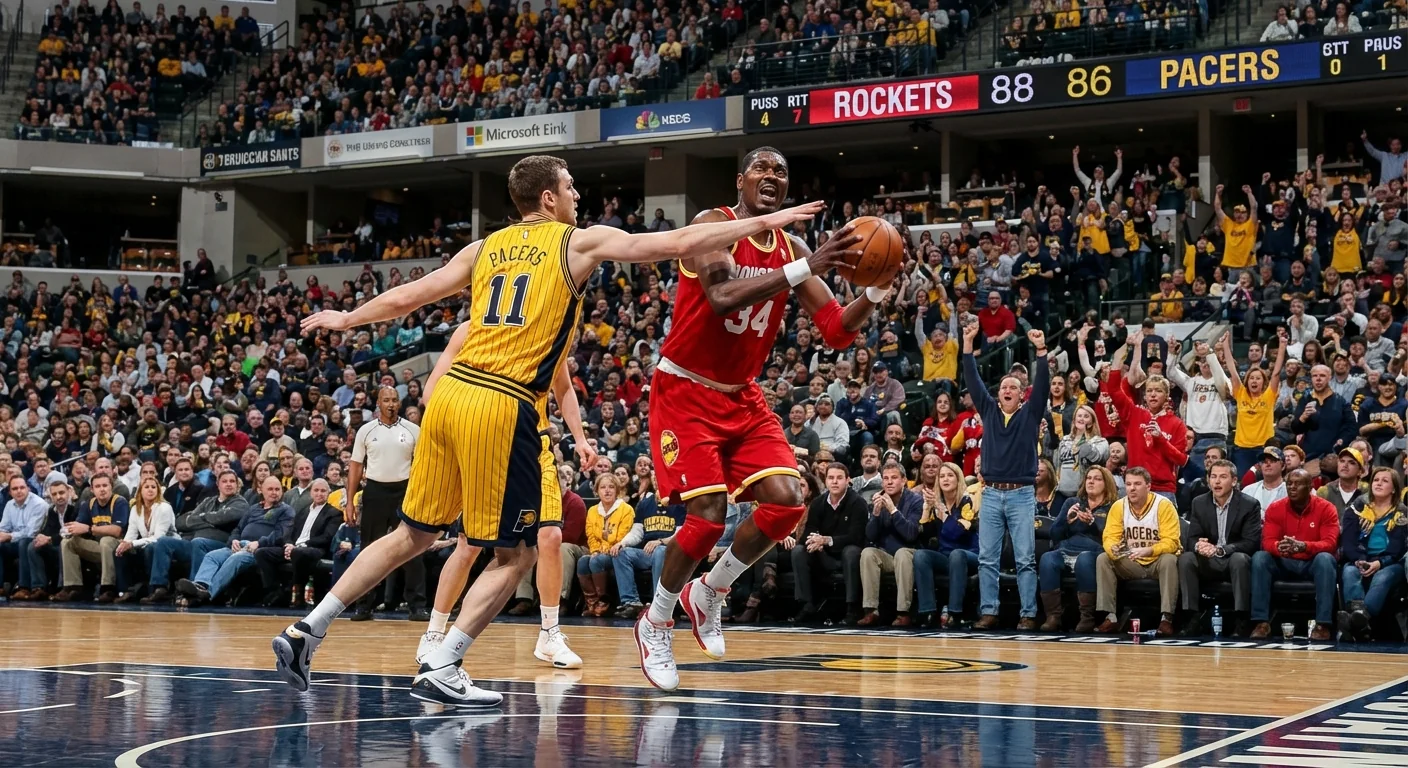
When a fast team meets a physical team, the first six minutes after halftime often decide who controls tempo.
Rotations Rewritten In Real Time
Availability mattered. A late minutes cap for a key starter tightened one plan. A game-time green light for a rotation scorer unlocked another. Both staffs made fast decisions on the bench. We saw smaller groups to match pace. We saw bigger looks to protect the rim.
Ime Udoka kept a steady hand, mixing size and switchability. Rick Carlisle chased shooting pockets, searching for that five-man group that would pop. Second units were not placeholders. They swung matchups. One bench wing stole extra minutes with tough defense. One reserve guard gave quick offense and kept the scoreboard moving.
These micro choices shaped the game. Houston’s length bothered cutters. Indiana’s spread pick and roll forced long closeouts. That tug kept the score tight and the energy high.
Star Turns, Real Pressure
Tyrese Haliburton set the tone for Indiana. His pace stressed Houston’s floor balance. He probed, pulled defenders toward him, and kicked to shooters. When Houston shaded early help, he slipped passes into tight windows. His presence alone changed how the Rockets tagged rollers.
Alperen Sengun answered for Houston. He operated at the elbow, waited for cutters, and hit them in stride. When Indiana sent an extra body, he pivoted into patient footwork and touched the glass. Sengun’s calm in traffic steadied every Houston trip. That is what frontcourt hubs do, even when the pace gets wild. 🏀
[IMAGE_2]
The Tactics That Mattered
Houston toggled between switches and soft traps on the ball. The goal was simple, take away rhythm threes and force floaters. Indiana countered with ghost screens and quick re-screens. The goal was also simple, get downhill without stopping the ball.
- A third quarter stretch where Houston forced three straight late-clock looks, then turned defense into two easy buckets
- A sharp out-of-timeout set by Indiana that freed a corner shooter, built from a misdirection cut and a decoy flare
- A bench surge that flipped the rebounding battle for four minutes, which bought starters rest without surrendering the lead
In big spots, matchups ruled. Jabari Smith Jr. guarded space, then recovered to the rim. Myles Turner challenged drives and spaced the floor the other way. Jalen Green’s shot creation bent Indiana’s shell. Bennedict Mathurin’s fearless attacks kept Houston guessing. The star power drew the headlines, but those complementary battles decided the flow.
The team that won the possession war, rebounds, turnovers, and free throws, controlled crunch time. That is the playoff formula for both clubs.
What This Says About Each Team
For the Rockets, this night reinforced a core truth. When they defend first and value the ball, they can dictate style against anyone. The offense will come from Sengun’s playmaking and the wings running the lane. The ceiling rises when the ball sings and the fouls stay low.
For the Pacers, the blueprint is still speed and spacing, but the next step is stops on demand. Their offense can win stretches against set defenses. The leap comes when they string together three or four clean defensive trips late. If they protect the glass and avoid live-ball turnovers, their pace becomes a weapon again, not a gamble.
This is the middle of the season, but it felt heavier. These minutes shape habits. These lineups become trust. These moments build a team’s late season voice.
The Road Ahead
Both clubs leave with lessons that travel. Indiana needs to sharpen late-game execution against switch heavy looks. Houston needs to keep their shot diet clean when the game speeds up. They will see each other again in the years ahead, two young cores rising at the same time, two clear identities colliding.
The playoff push is here. The margin is thin. Nights like this prove who can bend a game to their will, even when the plan changes minutes before tip. That is what separates good from dangerous in February, and it is why this one mattered.