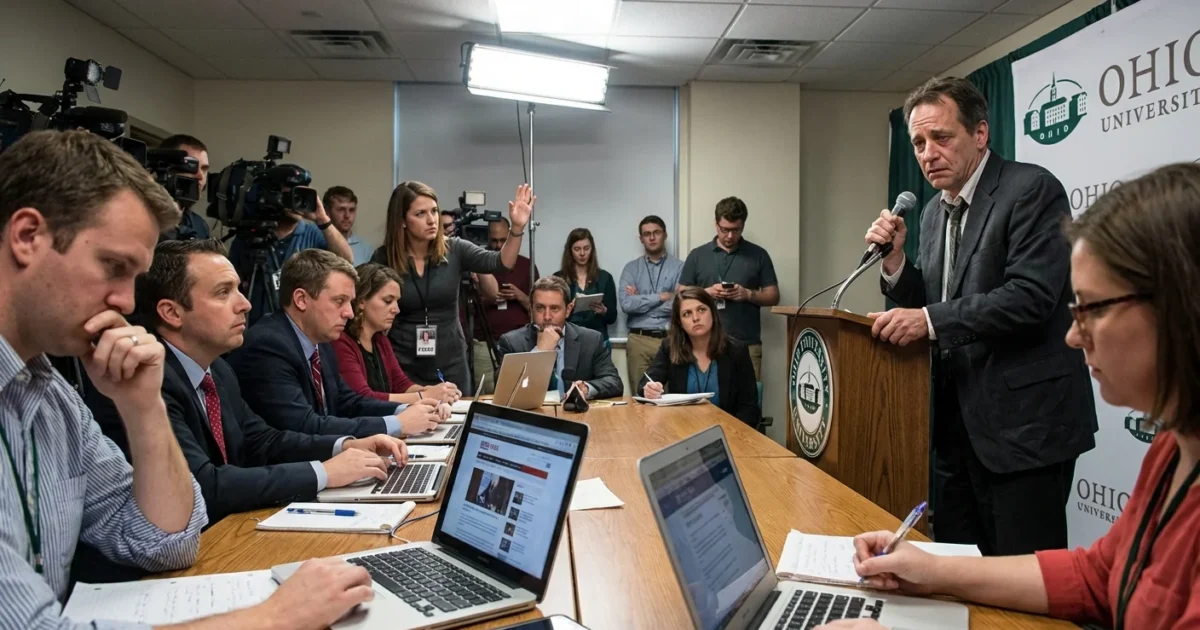
Breaking: Ohio University has removed head football coach Brian Smith after an administrative review found serious professional misconduct. The school confirmed he was relieved of his duties, effective immediately. The move sends a shock through the Bobcats program and raises urgent questions about leadership, recruiting, and trust inside college sports.
What We Know Right Now
Ohio University announced that Brian Smith is no longer leading the football program. The school says an administrative review concluded there was serious professional misconduct. The statement did not offer details. The athletic department declined to release specifics, citing personnel rules and ongoing processes.
Smith has not issued a public comment. The coaching staff and players were informed today. The program is now operating under department guidance while next steps are set.
Ohio University says the review found serious professional misconduct. Specific allegations were not disclosed.
The timing matters. This phase of the calendar is critical for roster building, winter strength work, and recruiting. A leadership change today affects all three. It also puts pressure on the department to name an interim quickly to stabilize the room.
What We Do Not Know
We do not know the nature of the alleged misconduct. We do not know whether outside agencies are involved. We do not know the exact timeline of the internal review. The university has not clarified if contract language tied to misconduct will shape the financial end of this separation. Those details carry weight in college athletics, and they will shape what happens next.
There is also no public word on whether any staff members are on leave, or if the entire staff will coach through the transition. Until the school says more, those points remain open.
This is a developing situation. Do not leap to conclusions without facts.
What This Means for the Football Program
The roster will feel this first. Players want clarity on who is leading workouts and spring installs. Recruits need to know who is calling them tonight. Relationships drive college football. A gap at the top can cost a program both talent and time.
Expect the athletic department to appoint an interim coach to steady operations. That role often goes to a coordinator or associate head coach. Continuity on schemes, especially on offense and defense, could help keep the playbook intact through spring.
- Key short term decisions:
- Name an interim head coach and define authority
- Hold team meetings to communicate next steps
- Reconfirm commitments with recruits and families
- Retain core staff to protect systems and development
The portal is another pressure point. Players can explore options if they feel uncertain. Clear messaging and access to support staff can lower that risk. This is where leadership matters most, even in a crisis.

Accountability and Oversight in College Sports
This moment underlines a larger issue in the sport. Schools preach culture and standards. They must also follow through when those standards are not met. Administrative reviews are part of that duty. They protect students, staff, and the institution.
Transparency is also part of trust. Public universities face a tough balance. They must respect privacy laws, and they must answer to their communities. Releasing as much as they can, as soon as they can, is key to restoring confidence.
Contract language could loom large here. Findings of professional misconduct can affect buyouts and future obligations. It can also shape how quickly a school can move on a permanent hire. The legal and financial lanes run alongside the football lane, and all three must line up.
Recruits and families should speak directly with the athletic department before making decisions. Get clear, written answers.
What Comes Next
Ohio University will name an interim, then begin a wider review of the program. Player meetings will set tone and expectations. Staff will get marching orders on recruiting and retention. The department will outline a timeline for a permanent decision.
This is a test of leadership. It is also a chance to reset values and prove that the program puts people first. Wins matter. So do standards. The best programs refuse to separate the two.