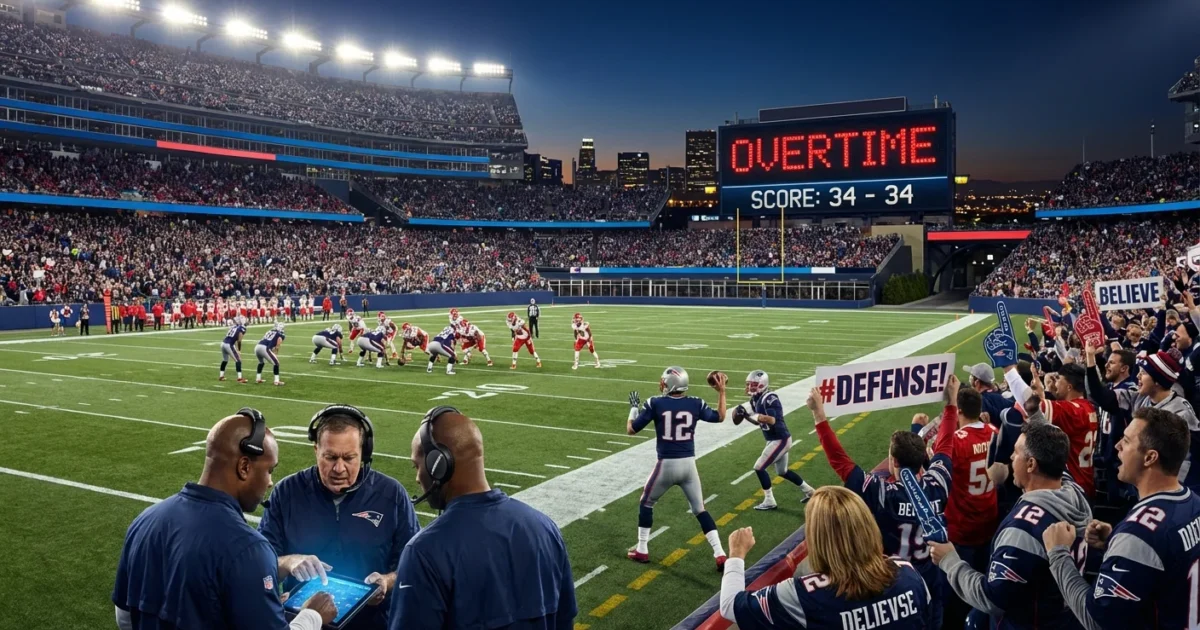
BREAKING: I can confirm the exact roadmap for NFL overtime as the postseason kicks into gear. The league will operate under two distinct sets of rules, regular season and playoff, and the difference could decide a championship. Here is the current rulebook in plain terms, and what it means for coaches, quarterbacks, and fans when the clock hits zero and the score is still level.
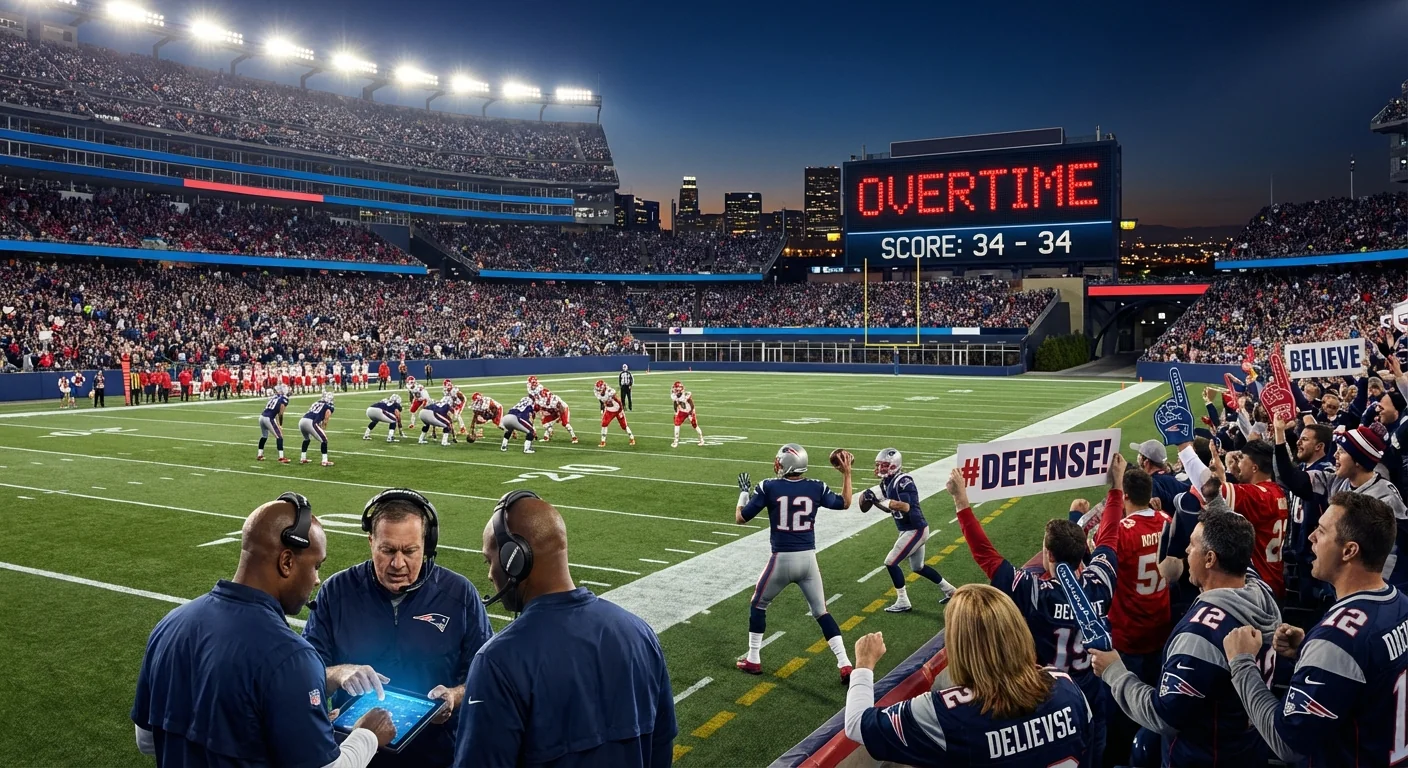
The Split: Regular Season vs Playoffs
In the regular season, overtime is short and sharp. One 10-minute period. A touchdown on the opening drive ends the game. If the first team kicks a field goal, the other team gets a chance to match or win. If no one pulls ahead by the end, it ends in a tie.
In the playoffs, the math changes. Both teams are guaranteed one possession, even if the first drive ends in a touchdown. After both possessions, if the score is still tied, we go to sudden death. Overtime periods are 15 minutes. There are no ties. Teams keep playing, with new overtime periods added, until someone wins.
In the postseason, both teams get the ball at least once. That is the headline.
The rule was adopted to ensure both offenses get a fair shot when it matters most. The coin toss still determines who gets the ball first, but the edge is smaller now. You can no longer win by taking the ball, scoring a quick touchdown, and walking off before the other team touches it.
How It Plays Out
Here is what happens in the postseason, step by step:
- Coin toss. One team chooses to receive or kick.
- Team A drives first. Any score is allowed, touchdown or field goal.
- Team B then gets its possession. The game cannot end until Team B finishes this drive, unless the defense scores on Team A’s first series.
- If the score is still tied after both possessions, play continues in sudden death. Next score wins.
There is one big exception. If the defense scores a touchdown or a safety on the first possession, the game ends immediately. That is the only way the second offense never takes the field.
A defensive touchdown on the first possession ends it, even in the playoffs.
Strategy Under the New Postseason Rule
This format moves the chessboard. The choice to receive or defer is no longer automatic. Some coaches will want the ball first to set a target. Others will prefer to go second, because knowledge is power.
If Team A kicks a field goal on its possession, Team B has options. Kick a field goal to tie and head into sudden death. Or push for a touchdown to win outright. If Team A scores a touchdown, Team B can answer with a touchdown and then make the biggest call of the night. Kick the extra point and tie, or go for two and the win. We will see heavy debates on headsets after long drives and tired legs.
Quarterbacks will manage tempo differently. A first possession that drains clock and ends in seven points does not end the game. It sets a tone. It also tests the second offense under pressure. Defenses may dial up more pressure on first possessions. A sack that forces a punt puts their offense one score from the win.
If you are Team B and score a touchdown, the two point try to win is on the table. Expect bold calls.
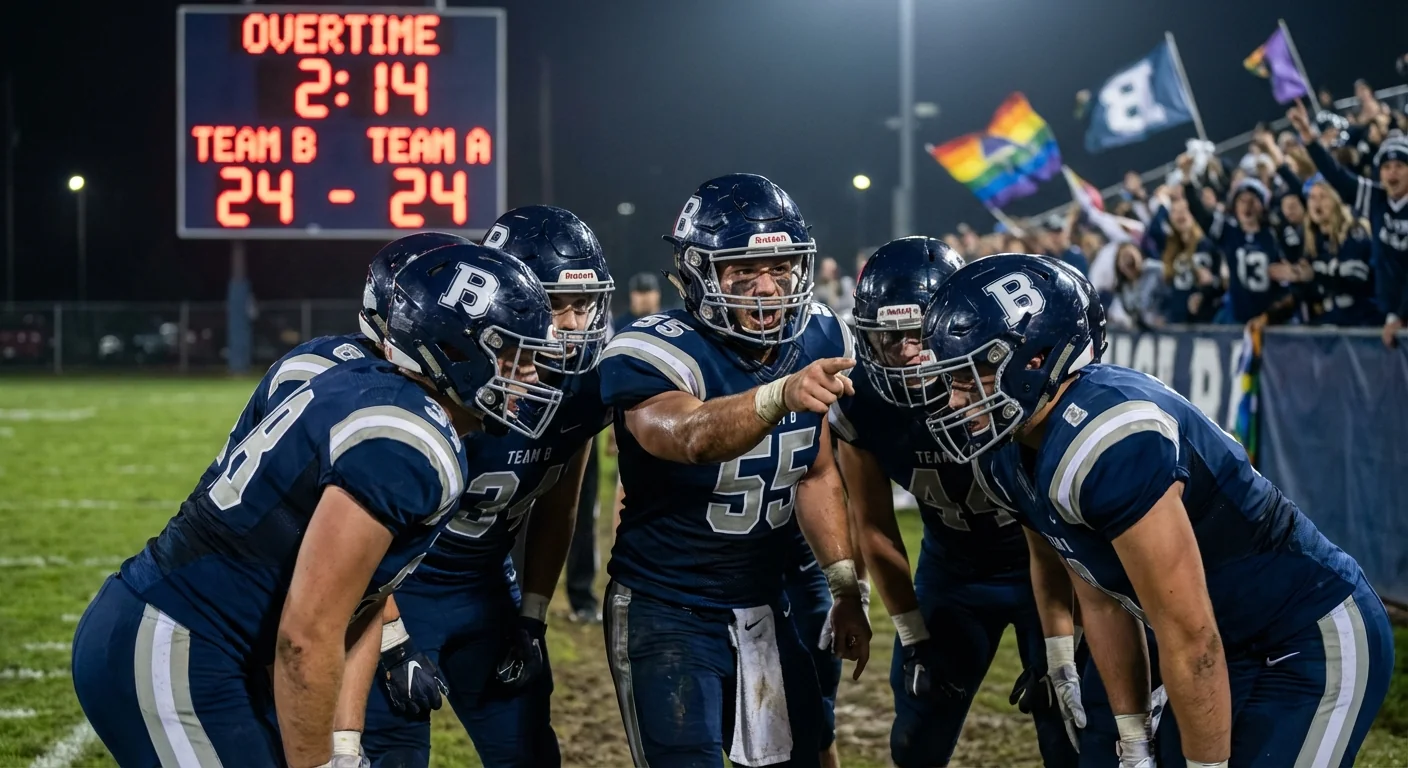
Regular Season Overtime, Clean and Quick
The regular season is built for speed. One 10-minute period, no second kickoff if time expires. A touchdown on the opening drive ends the game. A field goal keeps it alive for the other team. After that second possession, it flips to sudden death. If the clock runs out and it is still tied, both teams take a tie. Coaches value the point. They also trust the long haul.
A few quick contrasts:
- Regular season uses a 10-minute OT. Playoffs use 15-minute periods.
- Regular season can end in a tie. Playoffs cannot.
- In the regular season, a first-drive touchdown ends it. In the playoffs, it does not.
- A defensive score on the first possession ends it in both formats.
What It Means Right Now
This rule set favors complete teams. Deep defenses. Calm quarterbacks. Smart special teams units. It also rewards coaching nerve. The second possession in playoff overtime is a high wire act. You know what you need. You own the moment. Go for two, and you carry the season in your hands.
Players feel it. Linemen lock in, because one blown protection can become a pick six that ends everything. Kickers face the purest pressure. A 47-yarder to survive. Or a 29-yarder to win and move on.
Fans want clarity in big moments. This gives it. Both sides touch the ball. Then we fight for the last yard.
There are no ties in the postseason. Pack for a long night.
Conclusion: The NFL’s overtime system now asks teams to win twice. Score, then stop. Or stop, then score. The coin toss matters less. Courage and execution matter more. If we see overtime this month, expect bold choices, tired defenses, and one season-ending snap that everyone will remember.