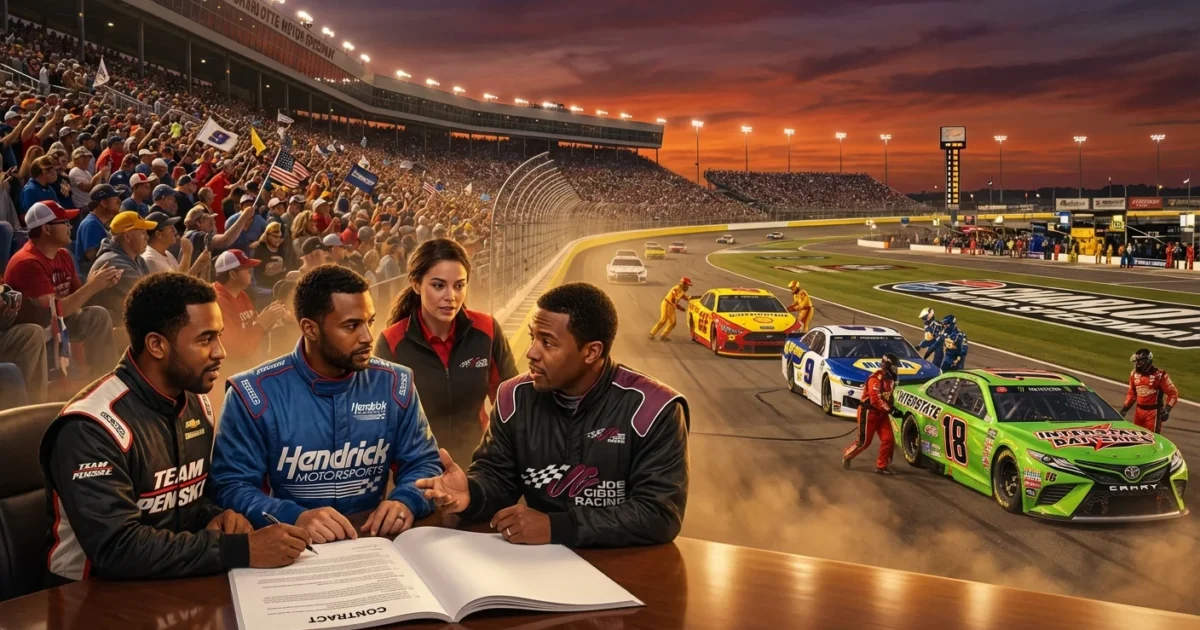
BREAKING: NASCAR, 23XI Racing, and Front Row Motorsports strike settlement that grants permanent team charters
The power fight is over. After nine tense days in federal court, NASCAR, 23XI Racing, and Front Row Motorsports have agreed to a settlement that resets the business backbone of stock car racing. The deal installs permanent, evergreen charters for teams, ending a high stakes antitrust trial and putting the focus back on the track.
What was decided today
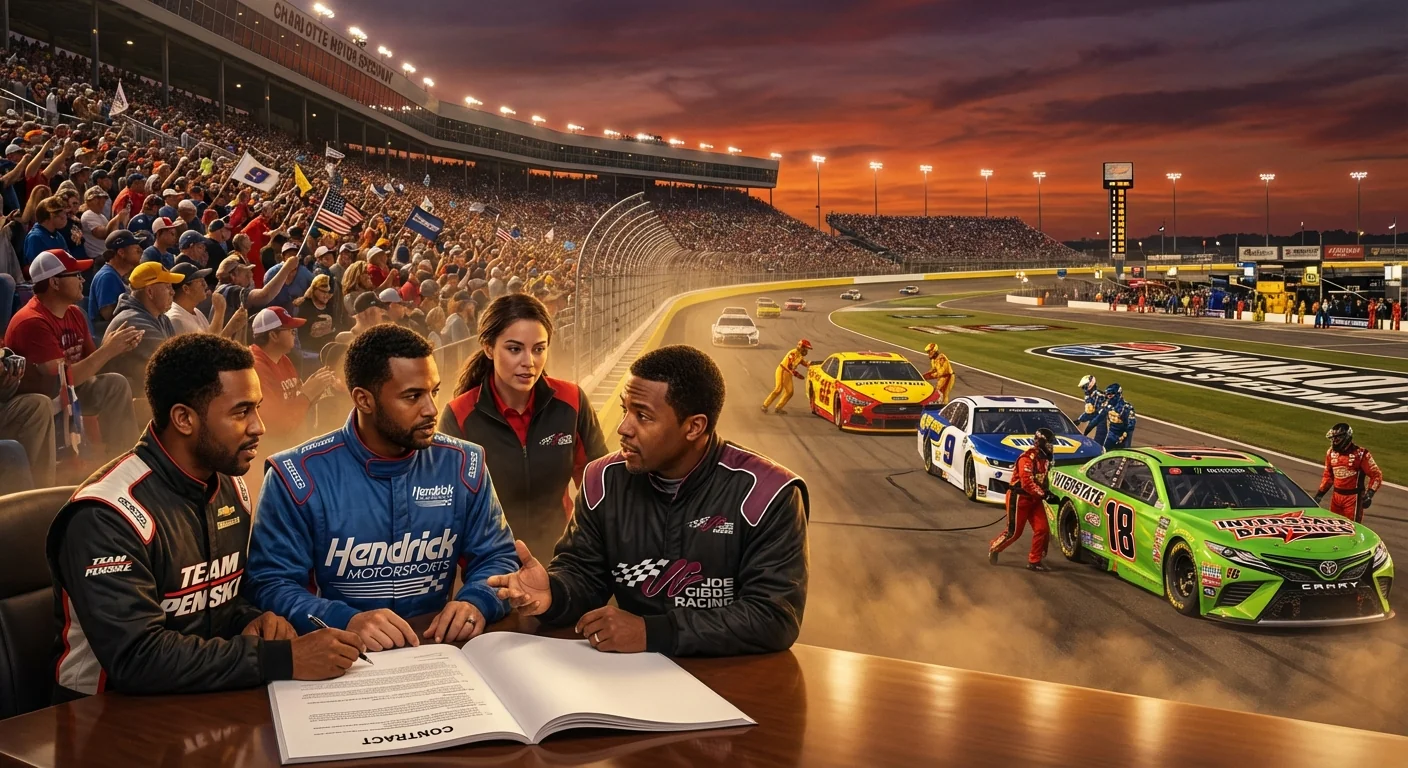
The settlement grants evergreen charters to teams. That means guaranteed entry and revenue rights without an expiration clock. The court proceedings were overseen by Judge Kenneth Bell, who earlier dismissed NASCAR’s counterclaims. The case settled while testimony was still underway.
Team leaders framed the outcome as a fresh start. Michael Jordan, who co-owns 23XI with Denny Hamlin, called the resolution a step forward. NASCAR CEO Jim France, according to my reporting, told stakeholders the sport is better aligned today than it was yesterday.
The settlement delivers permanent charters, subject to performance and conduct standards.
Specific dollars remain under wraps. But court testimony this week laid out sharp numbers that shaped leverage on both sides. An economist said teams had been underpaid by more than 1 billion combined. Earlier filings suggested 23XI and Front Row alone could seek more than 300 million in damages.
Financial terms are confidential. Prior courtroom testimony pointed to large shortfalls in team revenue.
How we got here
This lawsuit began when 23XI and Front Row refused to sign NASCAR’s revised 2025 to 2031 charter deal. The teams argued the system was monopolistic. They said it locked teams into short windows, squeezed revenue shares, and limited true ownership value.
Inside the courtroom, we heard how teams rely on sponsorship to cover rising costs tied to the Next Gen era. Economists testified that current revenue splits did not keep pace with expenses. Judge Bell threw out NASCAR’s counterclaims, finding no proof the teams restrained trade. That ruling cut the field down to the core issue, power, pay, and security.
By late morning today, the parties moved to close a deal. By mid afternoon, they had one. Evergreen charters became the bridge.
What evergreen charters mean for teams
Permanent charters change how teams plan. They can sign longer sponsor deals, invest in people, and build without fear of a clock running out. In practice, this should stabilize rosters and deepen talent pipelines.
- Predictable revenue streams, which support multi year planning
- Stronger franchise value, which backs facility and tech upgrades
- Clearer path for sponsors, who want long horizons
- Reduced churn in silly season, more focus on performance
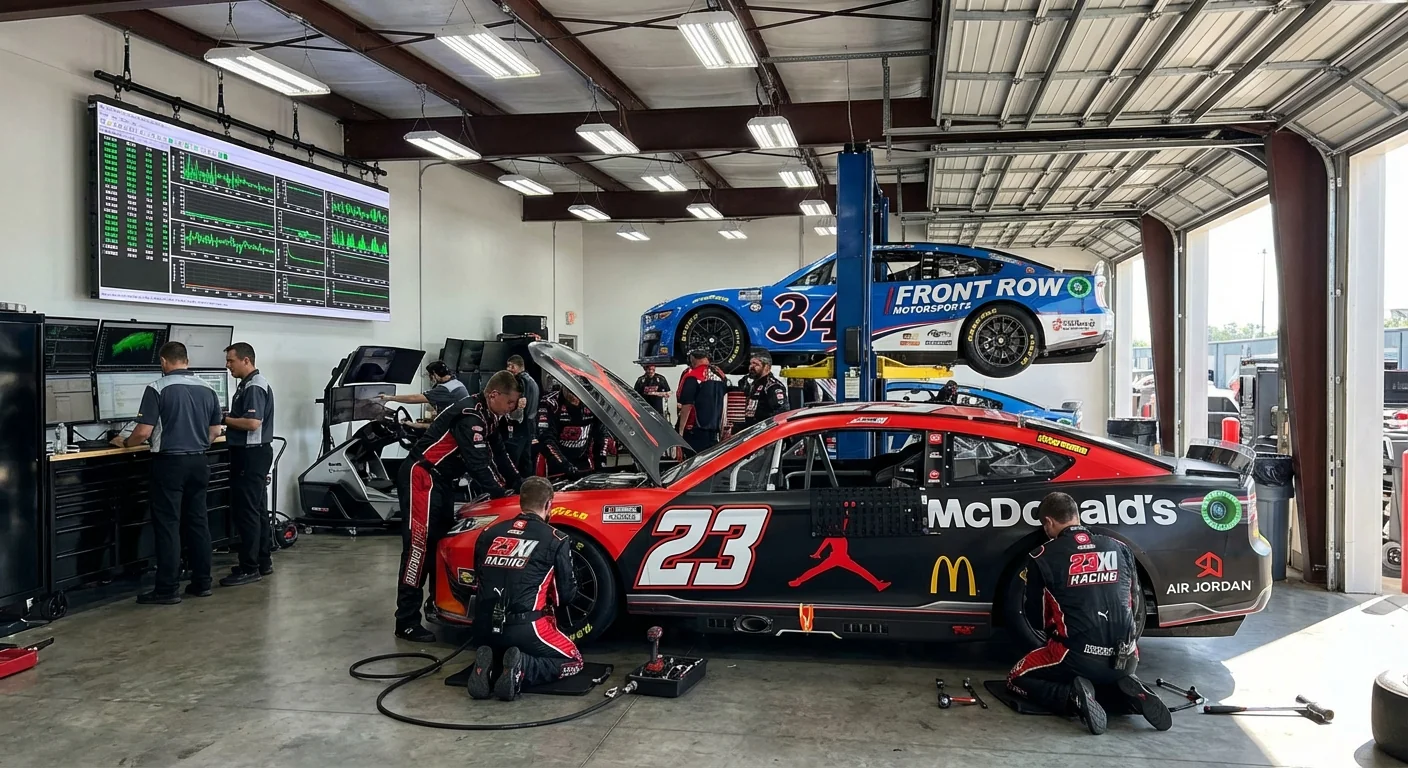
This matters on the grid. 23XI has built around speed and youth. Front Row has punched above its weight at superspeedways and with strategy. Both programs now gain secure footing as they scale. Expect expanded engineering ties, deeper simulator programs, and bolder off season moves.
Impact on the racing product
Competition should get better, not worse. Stability lets mid tier teams chase the elite with real tools. Deep notebooks win races in this era. More money for development means closer gaps on short tracks and intermediates, where setup rules.
Sponsors prefer predictable entry lists. That means steadier funding across the field. The charter guarantee also reduces the scramble around new media and streaming deals that are coming into focus. Manufacturers want certainty too. Toyota, Ford, and Chevrolet can plan driver development with clear lanes for promotion.
One fair concern is whether permanence creates comfort. The system still needs teeth. Performance standards and penalties must remain real. We expect the sanctioning body to keep a minimum speed bar and quality metrics. Evergreen should not mean forever if a team stops trying.
What changes inside NASCAR
This is a shift in governance. The league keeps control of schedules and rules. Teams gain security and a clearer share of the pie. The message from both sides is collaboration. The charter is now an asset that can anchor loans, fund expansions, and attract investors.
We will see ripple effects fast. Contract talks should restart across the garage. Crew chiefs and engineers are currency, and they will move. Driver options for 2026 and 2027 will accelerate. Expect teams to upgrade shops and data rooms, especially those chasing the Hendrick, Gibbs, and Penske tier.
The bottom line
Today is a pivot point for NASCAR. The legal cloud is gone. Teams have permanent footing. The garage can spend the winter on speed, not subpoenas. The next lap for this sport is about execution, and the green flag for that starts now.