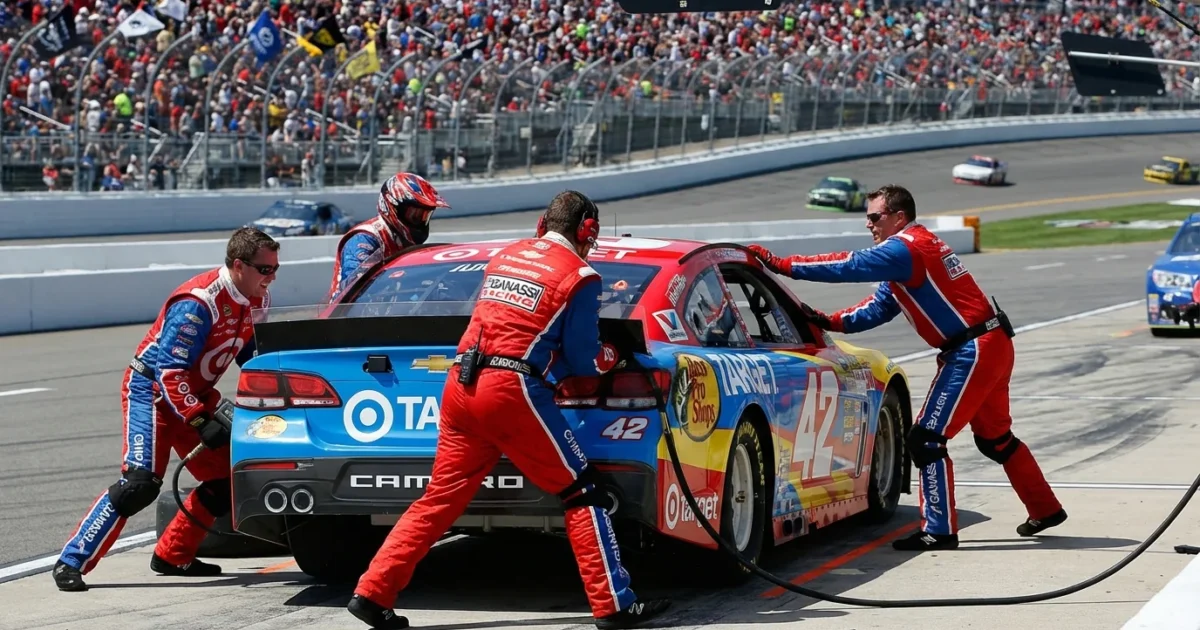
NASCAR has slammed the brakes on a high-stakes court fight and floored the gas on a new manufacturer shake-up. I can confirm an undisclosed settlement has ended the antitrust trial between NASCAR and two prominent teams, 23XI Racing and Front Row Motorsports, on day nine of testimony. And within hours, Rick Ware Racing set its 2026 course, moving from Ford to Chevrolet with a full technical alliance with Richard Childress Racing and access to ECR Engines. The sport’s power map and its business model are both shifting, right now.
The settlement that resets the charter fight
The case challenged NASCAR’s 2025 charter deal and who controls the economic spine of the Cup Series. The plaintiffs argued the charter system boxed teams in, limited leverage, and blocked new paths to revenue. Mid-trial testimony pegged damages at 364.7 million dollars, with a longer term shortfall that could top one billion dollars if left unchecked. The settlement ends the risk of a jury verdict and pulls the sport back from a cliff.
This is more than a legal truce. It is a pivot point for governance. The next charter framework must protect NASCAR’s schedule and brand, but it also must give teams a clearer stake. That means reliable revenue streams, better transfer rules, and guardrails that attract investors. The settlement signals both sides know the cost of not fixing this.
The case is closed, but the charter model now has to evolve. Expect clearer language on revenue shares, ownership rights, and exit options.
For team owners, cost certainty is the prize. The Next Gen car narrowed the engineering gap but also changed how teams spend. If charters gain stronger property traits, values stabilize, and sponsors feel safer. For drivers, stable teams mean stable seats. For fans, it means fewer off-track distractions and a better product on Sundays.
- Key effects to watch in 2026:
- How many charters change hands or expand to new investors
- Whether prize money and media splits move toward teams
- The timeline for a revised charter agreement and term length
- Rules on charter transfer and non-performance penalties
Chevy adds muscle, Rick Ware recalibrates
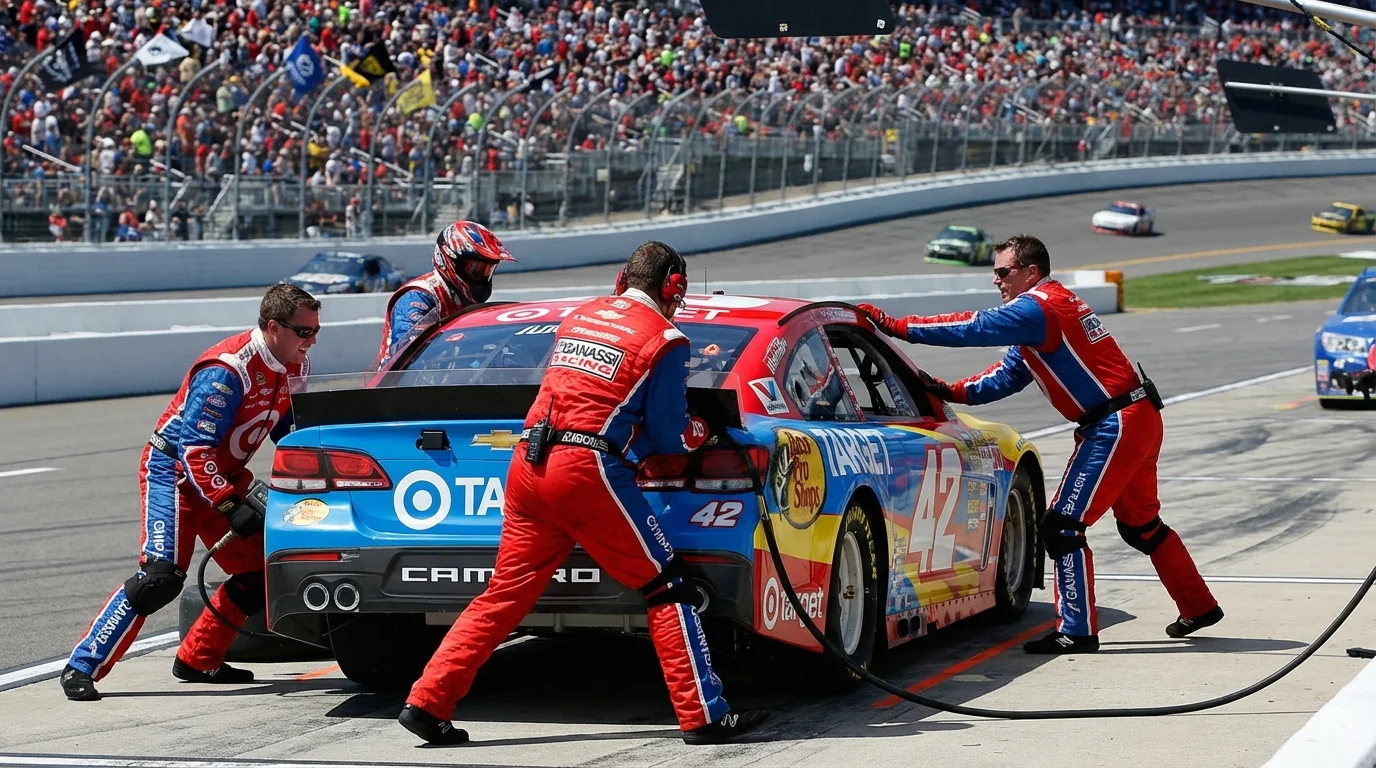
Rick Ware Racing will switch to Chevrolet for the 2026 Cup season, joining forces with Richard Childress Racing and ECR Engines. For a team fighting for top 20 speed, this is a reset. Chevrolet just clinched its 44th manufacturers title and its fifth straight in 2025. Access to Chevy’s engine pool and RCR data is real horsepower, on the dyno and in the sim.
The alliance model is the sport’s middle class. It lets lean teams tap elite wind tunnel work, aero maps, and pit crew coaching. RWR’s ceiling rises if execution follows. Car setup windows should tighten. Mechanical failures should fall. Pit cycles should sharpen. This will not turn backmarkers into instant winners, but it can turn 30th place cars into 20th, then 15th.
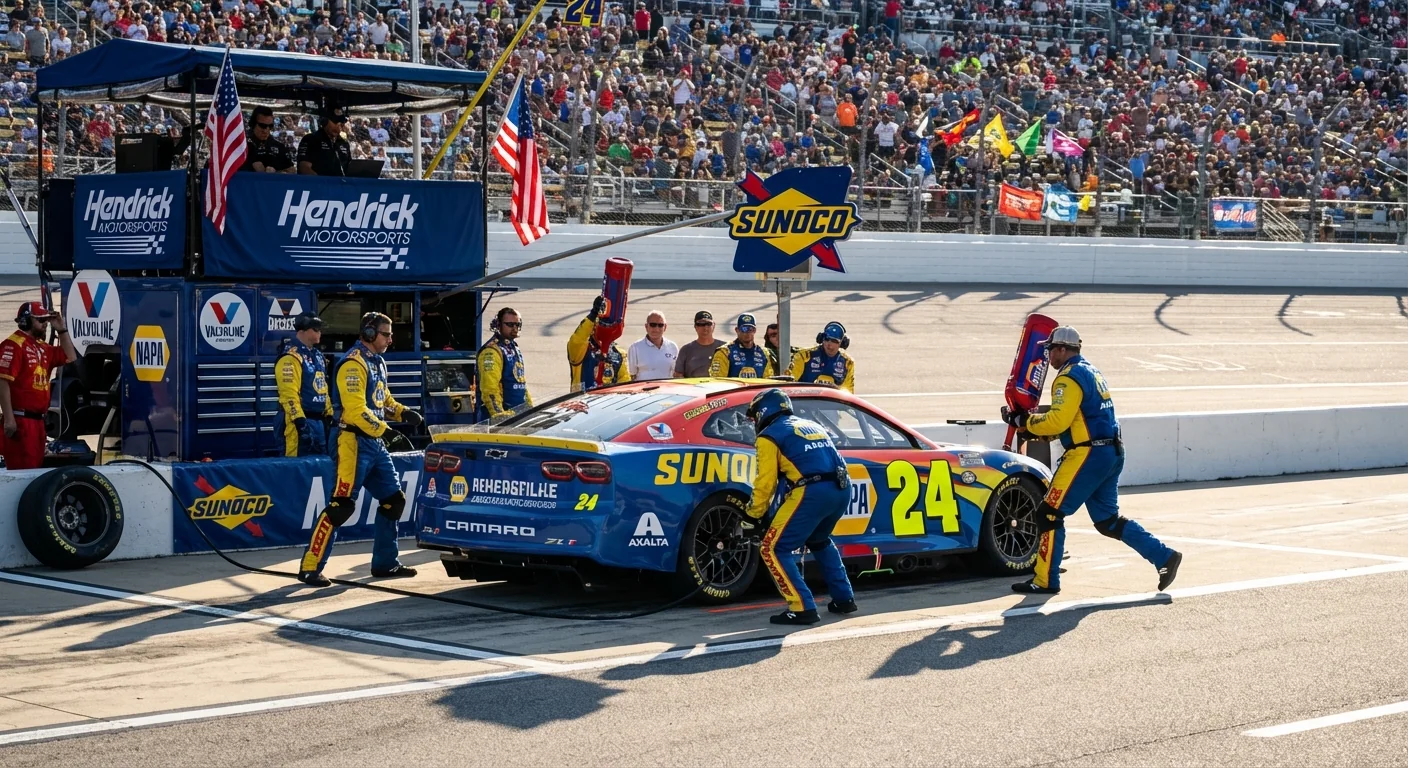
Chevrolet’s roster is already deep. Hendrick brings raw speed. RCR brings short track grit and superspeedway craft. Trackhouse pushes innovation. Add RWR to that tree, and manufacturer depth matters even more on road courses and short tracks, where drivability and braking packages win points.
Watch the early 2026 intermediates. If RWR unloads closer on balance, the alliance is paying off.
The business squeeze, fans want one place to watch
All of this lands in a tough media year. The 2025 Cup average sits at about 2.48 million viewers per race, down roughly 14 percent year over year. The audience still shows up for crown jewels, but week to week numbers are softer. Fans keep saying the same thing. It is too hard to find the races. Midseason coverage is split across Amazon Prime, TNT, and NBC or USA. That means logins, app swaps, and lost casual viewers.
This is not just a TV gripe. Media money props up purses, charters, and shop payrolls. Fragmented viewing hurts reach, and reach drives sponsor math. If the sport wants new fans, it must make the full season easy to watch, live and on demand, with simple replays and highlights.
If fragmentation continues, team revenue, charter values, and sponsor renewals face real pressure.
The settlement gives NASCAR and teams momentum to align on media messaging. A cleaner calendar presentation, clearer windows for streaming, and consistent shoulder content can steady the ship. The racing product is fine. Access is the issue.
What changes next
Expect swift talks on a revised charter plan that bakes in team certainty and preserves NASCAR control of the schedule. Manufacturer alliances will keep shifting as teams chase data and engines. North Wilkesboro gets longer next summer, and the Truck Series adds fresh storylines in 2026. The pieces are moving, and the sport knows it cannot wait.