The Lakers walked into a storm, then let LeBron James close the door. In a heated finish in Phoenix, Los Angeles edged the Suns 116-114, with James steadying the game and sealing it in the final moments. The scoreline was tight. The atmosphere was tense. Then a flashpoint with Suns guard Brooks boiled over, and the officials sent him off.
LeBron takes control late
This was the fourth quarter LeBron lives for. He did not force it early. He saved his legs and his voice. When it mattered, he took the ball, set the pace, and hunted matchups. He got to the rim. He drew help. He found shooters and cutters. He got a crucial stop on the other end. It was the veteran blueprint, simple and ruthless.
The Lakers fed off that calm. Their spacing sharpened. Their closeouts got crisper. Every possession had purpose, and that is what wins a one-possession game.
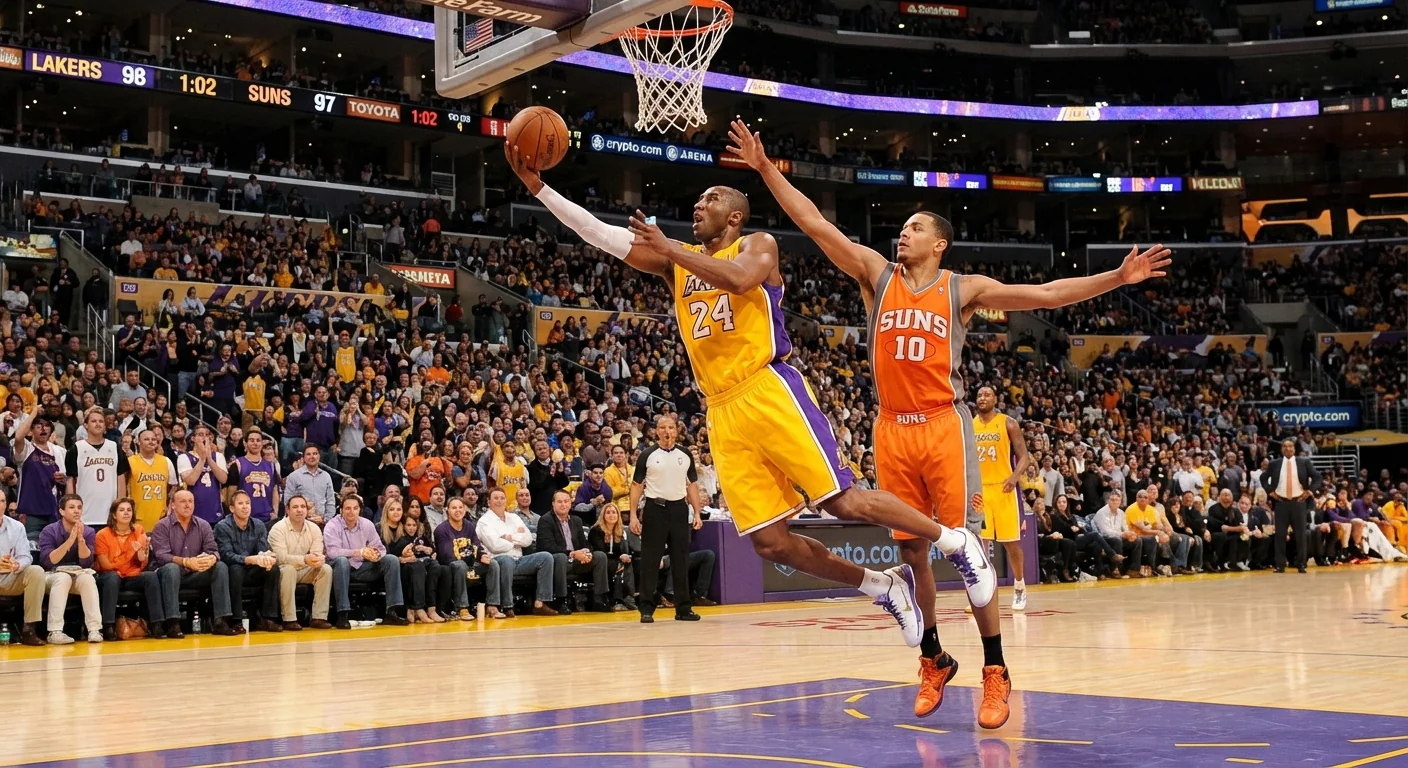
Final: Lakers 116, Suns 114. LeBron’s late-game control decided it.
The difference in the final minute
Phoenix had looks. The Suns will feel they left points on the line. Los Angeles had answers. The Lakers valued the ball, won the physical drives, and got the last clean look. That is playoff-style basketball in October and November, and it often comes down to poise.
The flashpoint, Brooks, and the ejection
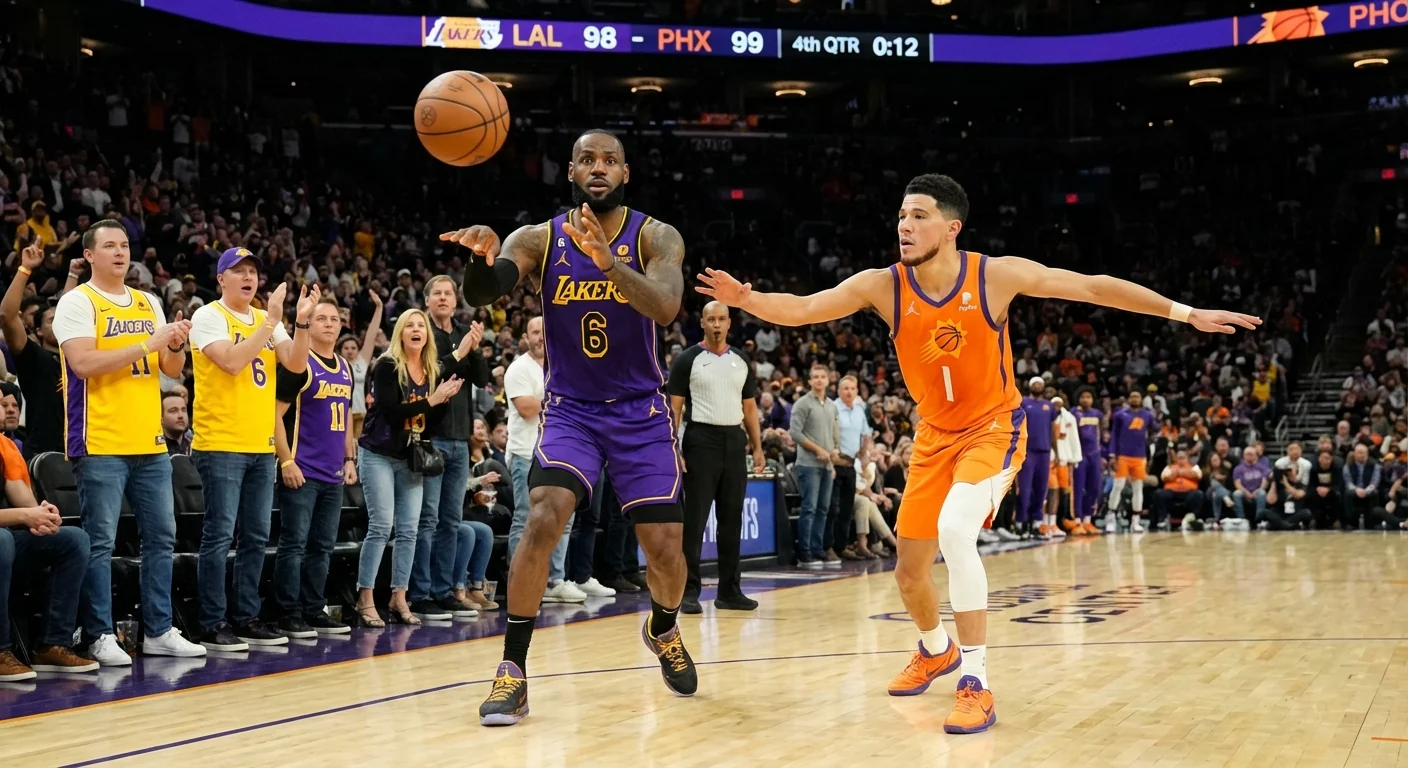
The night’s loudest turn came with the Brooks confrontation. It began as tough defense and talking, then escalated after a dead ball. James stood his ground. Brooks kept pressing. Officials intervened, huddled, and eventually sent Brooks to the locker room. The building flipped from charged to volatile.
From the floor angle, there were two layers to it. The physical contact was one. The continued engagement after the whistle was another. In today’s league, with an emphasis on de-escalation, that combination is dangerous. The Suns lost a disruptive on-ball defender. The Lakers gained breathing room and flow.
Was the ejection warranted? If the benchmark is protecting game control, yes. If the standard is letting emotion live within limits, it was harsh. What is not debatable is how it changed the rhythm. Phoenix lost a tone-setter on the perimeter. Los Angeles saw cleaner progressions and fewer deflections. That matters in a tight finish.
Officiating and the line between energy and excess
Officials are managing two games at once. The game on the scoreboard, and the game of temperature. They chose the whistle over the fuse. Players know this curve. The smartest stars steer away from the edge. The teams that do that win close games more often than not.
What it means for both teams
For the Lakers, this is a bankable win on the road. It reinforces a late-game identity built on LeBron’s reads and team defense. It also shows a template for their closing group, with size, switchability, and enough shooting to punish overhelp.
For the Suns, it is a lesson in control. The effort was enough to win. The composure was not. Phoenix will like the shot quality for long stretches. They will not like the timing of turnovers and the technical fallout.
- Lakers takeaway, trust the ball in LeBron’s hands, and defend without fouling.
- Suns takeaway, stay aggressive, but protect possessions and composure.
- The rivalry got a fresh spark. Expect a chippy rematch.
- The officiating debate will linger, and both coaches will use it in the film room.
Eyes will be on conduct and communication when these teams meet again. The leash will be short.
Culture check, star gravity and team poise
This is what star gravity looks like. LeBron bends the floor, even when he does not shoot. Teammates get clearer choices. Opponents hesitate for a split second, and that is enough. On the other side, Phoenix has the firepower to run with anyone. The margin, as we saw, is mental. Composure is a skill. It will decide playoff series in the spring.
Conclusion
The scoreboard says two points. The film says more. The Lakers earned a tough road win because LeBron steered the game when it shook. The Suns left with pride in the fight and regret about the edge. If this is the tone for the season series, clear your calendar for the rematch. 🏀