BREAKING: Kazakhstan flips the switch on sport and spectacle
Kazakhstan just sent a loud signal to the sports world. The country is restarting output at the Tengiz oil field, pushing a foreign‑only casino plan, and locking in a 2026 concert slate with global stars. The message is clear. Big events, bigger stages, and the funding to back them are on the way.
Energy back on, budgets back in play
I can confirm Tengiz wells began to come back online on January 31. That matters for sport. Oil money feeds national budgets, and those budgets support federations, arenas, and travel. Kazakhstan also reports a win in confidential arbitration tied to Karachaganak costs from 2010 to 2020. The state is seeking up to 4 billion dollars, with a final award expected later this year. If even a slice lands, high performance programs will feel it.
This is about more than line items. Stable revenue means a steady calendar. It means fewer late cuts to training camps and medical teams. It means domestic leagues can plan full seasons, and national teams can book elite friendlies instead of settling for cheap ones.
Tourism push meets game night
The government is advancing a bold plan. Casinos open only to foreign visitors in four regions. Locals would be barred. That adds a new kind of sports tourism. Think VIP travel tied to fight weeks, hockey homestands, and tennis finals. It brings taxed gaming, hotel spend, and sponsor dinners into the same weekend as a main event.
Entertainment is the other lever. A 2026 concert run, starting with the Solana festival in May, aims to pull in more than 75,000 foreign fans. Names like Timbaland, Nicole Scherzinger, Busta Rhymes, Tyga, Keri Hilson, and Flo Rida are booked. Tourism investment jumped 32 percent last year to 1.25 trillion tenge, about 2.5 billion dollars. That capital does not stop at stages. It spills into arenas, transport, and broadcast zones.
Travel smart. Pair a marquee bout or the Astana Open with a festival weekend to lock better rates and fuller atmospheres.
What it means on the field, ice, and court
Boxing stands to gain first. Kazakhstan’s gyms turn out world‑class talent, and fans fill venues for a good scrap. With stronger budgets, promoters can keep more headline cards in Astana and Almaty. Bigger purses keep rising prospects at home longer. The next wave after Gennadiy Golovkin needs rounds with top foes. Now those foes have reasons to fly in.
Tennis is a clear pillar. Elena Rybakina carries global shine, and the Astana Open has built a steady brand. With tourism and hospitality rising, player services get better. Think faster logistics, more practice courts, and deeper physio support. That helps attract top 20 fields and pushes local players through qualifying draws.
Cycling is a national calling card. The Astana team lives on altitude, long roads, and hard racing. More resources mean longer altitude camps in the Almaty mountains, improved wind tunnel access, and smarter race scheduling. The payoff arrives in week‑long stage races and Grand Tour breakaways.
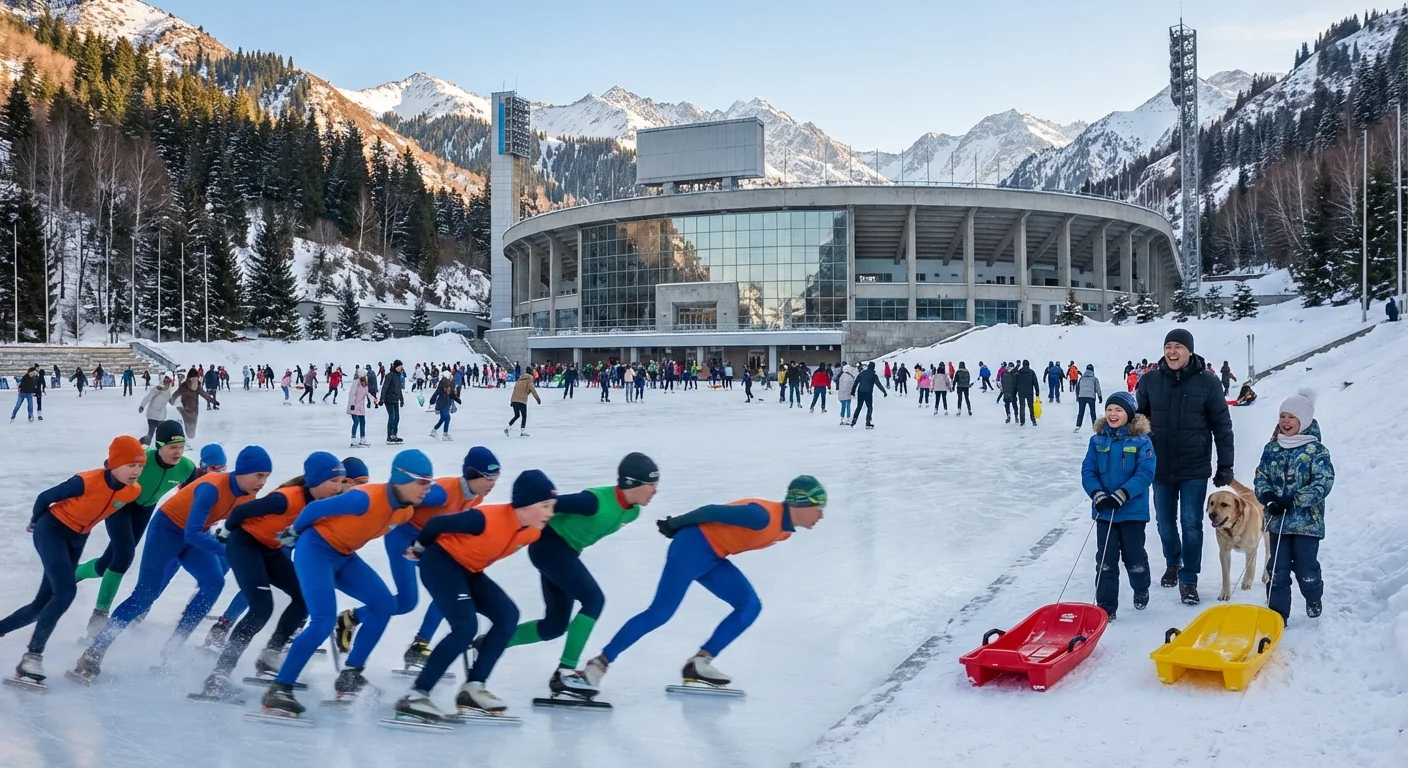
Winter sports link culture to place. Medeu, the high‑altitude ice rink, is a jewel. Shymbulak draws skiers and riders every weekend. With fresh cash, speed skating and freestyle programs can expand youth pipelines. Expect more international starts on home ice and snow, and stronger bids for ISU and FIS dates.
Digital is not a sideshow. New AI laws, a dedicated digital ministry, and supercomputing plans set up better data for scouting, injury risk, and officiating reviews.
The strategy behind the sprint
President Kassym‑Jomart Tokayev frames 2026 as a decisive year for reforms. He points to more than 6 percent GDP growth in 2025 and rising IT exports. Sports sits right in that plan. Oil stabilizes the base. Tourism and digital raise the ceiling. Casinos for foreigners target new spend without widening domestic risk. Concerts pack hotels ahead of title fights and derby days. AI and cloud tools make broadcasts sharper and athlete care smarter.
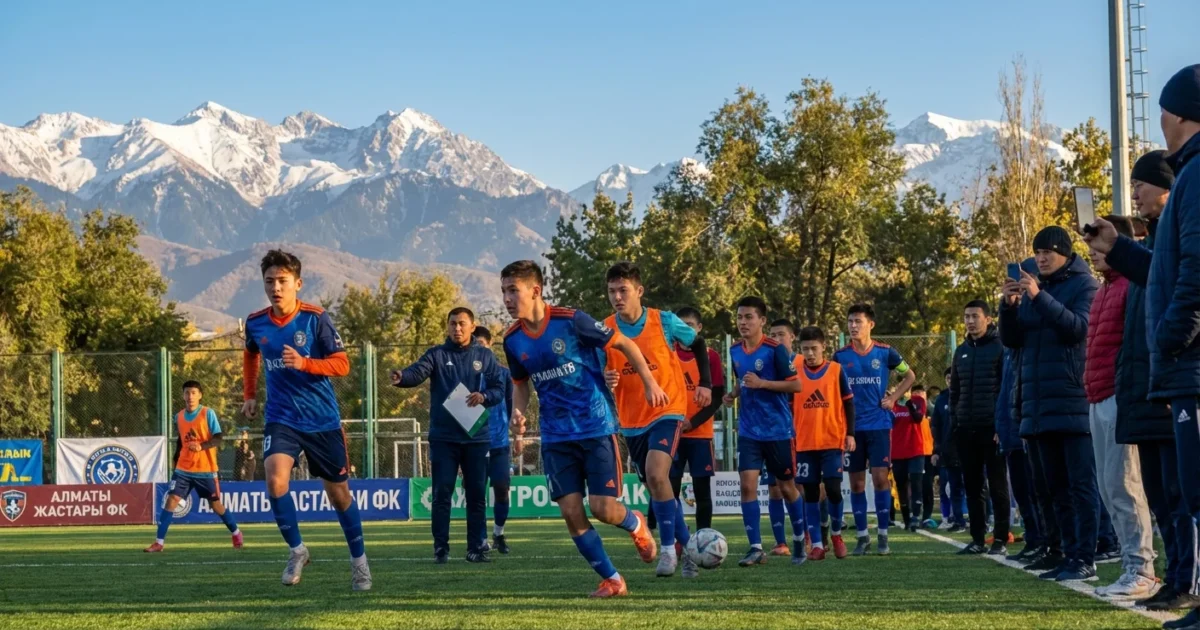
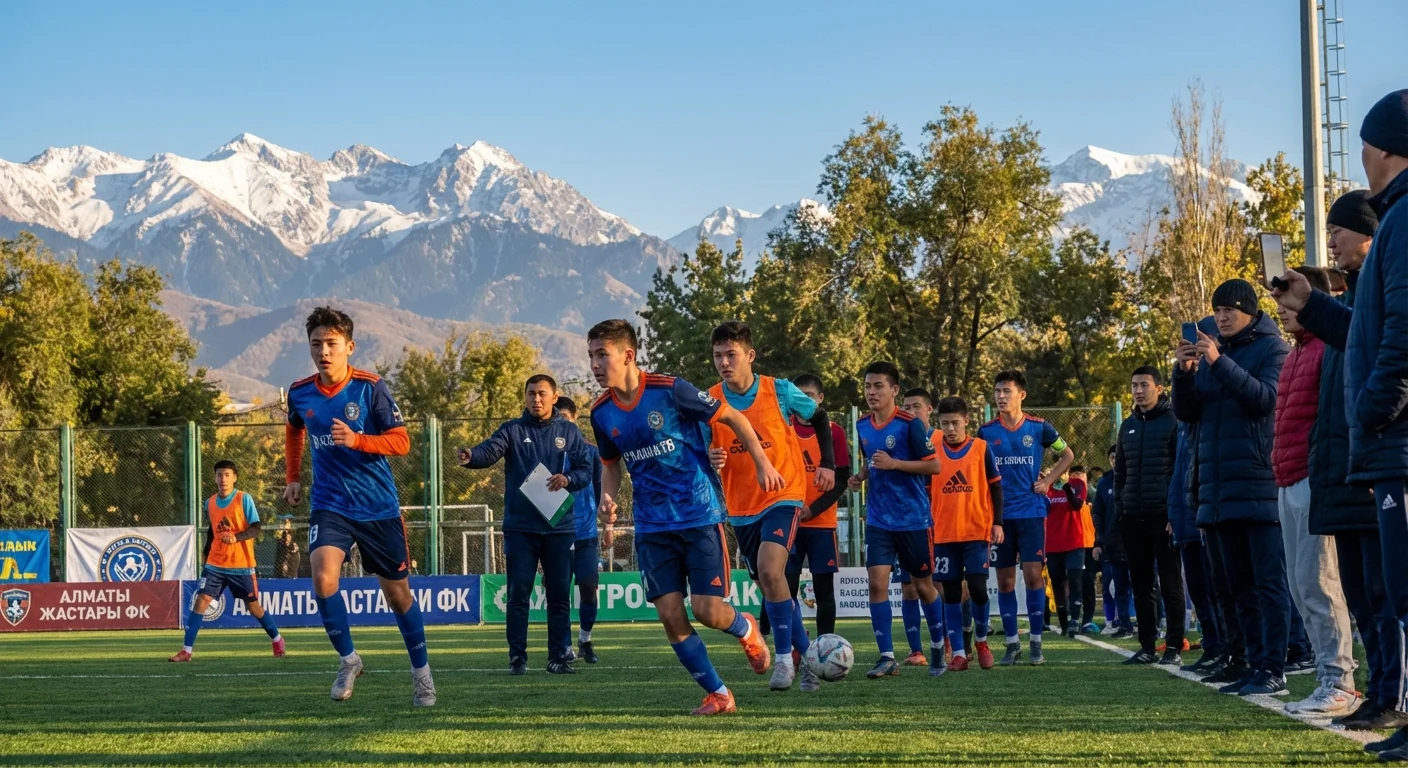
The culture is ready. Kazakh fans are loyal, loud, and organized. They travel across vast distances to see their teams. Blue and gold flags turn arenas electric. That passion, paired with better calendars and smoother travel, is a draw for any global opponent.
Investor and stakeholder watch list
- National budget updates for sport and tourism in the next two quarters
- Arena naming rights and new hospitality inventory tied to foreign‑only zones
- 2026 event calendar adds, including fight nights, ATP or WTA stops, and UCI dates
- Currency stability versus oil prices during the Tengiz ramp
Mind the risk. If the Tengiz restart slips or the arbitration award lags, some upgrades could slow. Build flexible timelines into deals.
Bottom line
Kazakhstan is running a dual‑track race. Stabilize hydrocarbons, then scale sport through tourism and tech. If execution meets the ambition on paper, expect more home dates, bigger purses, and louder nights in Astana and Almaty. Teams win with deeper support, athletes win with better science, and fans win with fuller weekends. The window is open. Now it is about pace and precision.