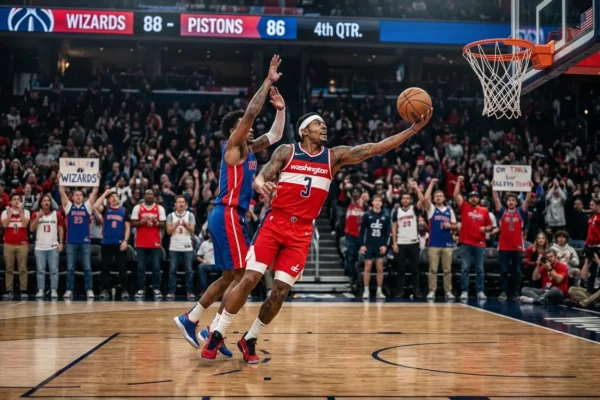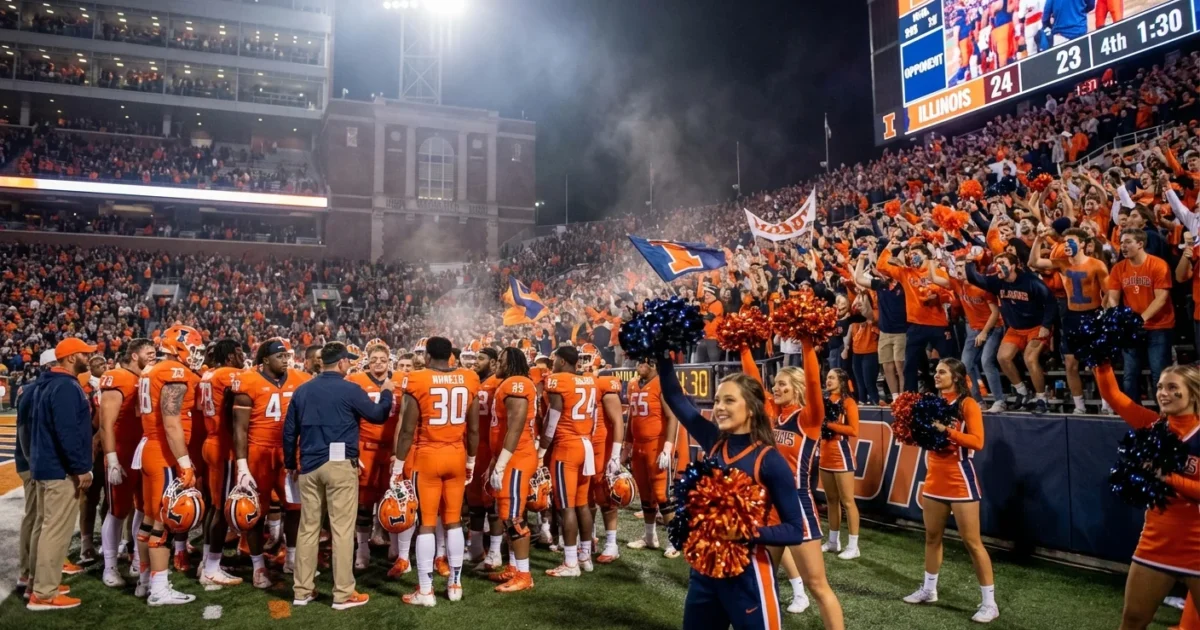
Illinois ripped the Music City Bowl out of Tennessee’s hands tonight, 30-28, and the finish had everything. Clutch plays. Frayed nerves. And one jarring collision between an Illini star and a game official that turned a tense drive into a firestorm. The win stands. The debate will rage into the new year.
How Illinois Won the Night
This was Big Ten grit in SEC country. Illinois matched Tennessee’s speed, then leaned on power when it mattered. The Illini line moved bodies. The backs finished runs. The defense bent, but it did not give in on third down. That is how bowl games are won in December.
Bret Bielema’s blueprint was clear. Shorter fields. Field position. Clean special teams. Illinois kept the tempo where it wanted it and protected the football. When the game tightened, the quarterback stayed calm and took easy yards. The Illini found balance, which frustrated a Tennessee front that thrives on chaos.
Momentum swung both ways in the second half. Illinois answered every orange surge with a clever wrinkle or a hard-nosed stop. That resilience defined the night. It kept the door open just long enough for a final push that sent blue and orange fans into a roar.
The Collision Everyone Is Debating
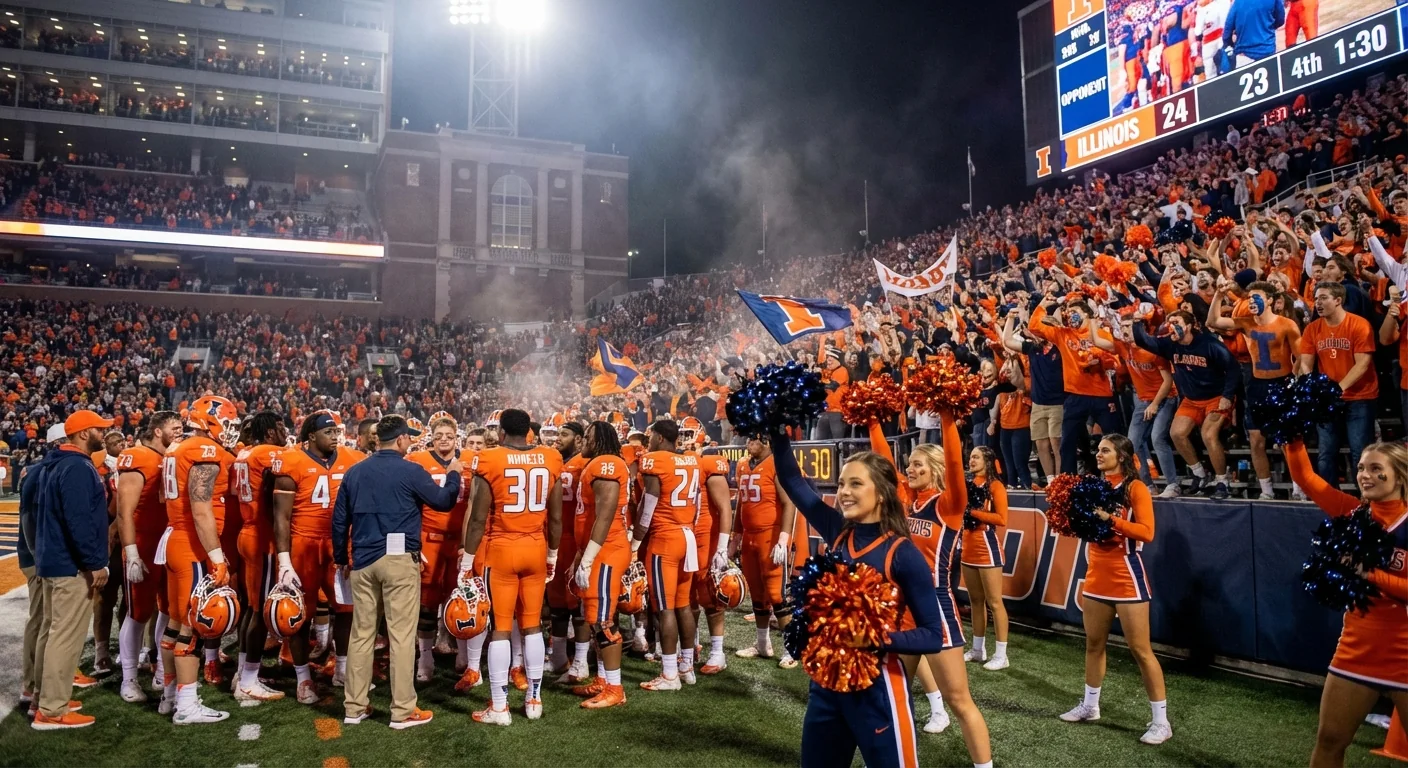
Then came the moment everyone will dissect. Late in the fourth quarter, with Illinois driving, an Illini star cut through traffic. An official moved to clear the lane, feet tangled, and the two collided. The runner spun through contact and kept going. The stadium gasped. Tennessee players threw up their hands. The officials kept their flags in their pockets.
Here is the heart of the argument. Officials are part of the field of play. If contact is incidental, the play stands. If it is judged intentional or abusive, it can be a dead-ball personal foul. It can even lead to disqualification. The crew on site ruled the contact unintentional. No penalty. The clock rolled. Illinois capitalized.
From field level, the contact looked like a bang-bang football moment. The official tried to step aside. The runner was slicing for daylight. Bodies met in a tight alley. There was no clear lowering of the shoulder at the official. There was also no way the contact did not affect the pursuit angles. That is why the call, or lack of one, now carries so much weight.
By rule, incidental contact with an official during a live ball does not stop play. Forcible, intentional contact can be penalized and may trigger ejection.
Reactions From Both Sides
Illinois players pointed to effort and focus. They called the collision accidental and said the whistle never came. Tennessee staff argued that the contact changed the geometry of the play and should have drawn a flag. The officiating crew huddled after the sequence, then confirmed the ruling on the field. No penalty. The drive stood.
Expect the conference offices to review the tape. They do that after every bowl, especially when a crew decision shapes a critical possession. Any follow up would concern mechanics, positioning, and whether the player’s actions met the standard for a foul.
Postgame reviews can lead to officiating guidance or discipline, but they rarely change game results.
The Wider Meaning For Illinois Football
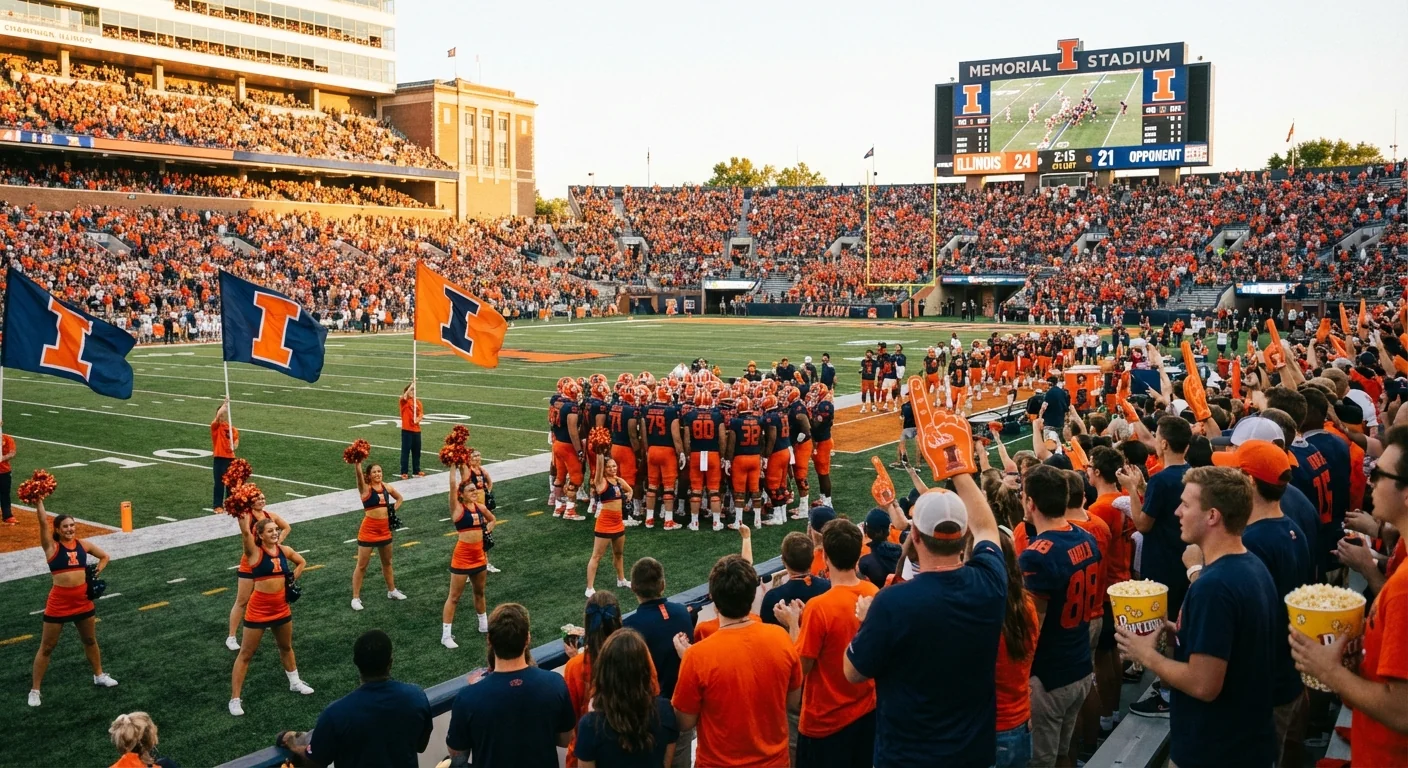
Strip away the controversy, and Illinois just logged a signature bowl win. It validates a rugged identity, built on line play, tackling, and patience. It sells the program to recruits who value physical football. It also gives veterans a moment that lasts, a trophy night in Nashville that they can point to with pride.
Culturally, this also hits a nerve. Big Ten toughness has long been measured against SEC speed in bowls like this. Illinois proved it can survive a track meet and still force a fistfight at the goal line. That matters in locker rooms and living rooms in January.
The Rulebook Ripple
This ending will echo beyond Champaign and Knoxville. Crews will talk about positioning. Coaches will revisit situational coaching points. Players will hear a clear message, play through the whistle, protect officials, and expect traffic in tight spaces.
- Expect fresh guidance to crews on late-game positioning in open-field runs.
- Teams will drill awareness, including avoiding traffic with officials.
- Conferences could clarify language on forcible contact standards.
- Bowl assignments may include extra pregame briefings on mechanics.
What Comes Next
Illinois now turns a dramatic win into offseason fuel. Bowl momentum has value, especially when it matches a team’s identity. The tape gives Illinois confidence and teaching points. It also gives rivals material. That is part of the price of playing on a big stage.
For Tennessee, this is a tough lesson in finish details. Anger fades, but tape lasts. Missed tackles, leverage mistakes, and coverage busts will sting more than any single call.
Here is the bottom line. The score is final, 30-28 to Illinois, and the trophy heads to Champaign. The collision will live on in highlights and rules clinics. Illinois earned a bowl win with resolve and balance. The sport now owes itself a calm look at a messy moment, so that players, coaches, and officials share safer, clearer ground the next time a season swings in a crowded lane. 🎯
Illinois walked off winners. The rest of college football leaves with homework, and a reminder that December games are decided by inches, angles, and composure.