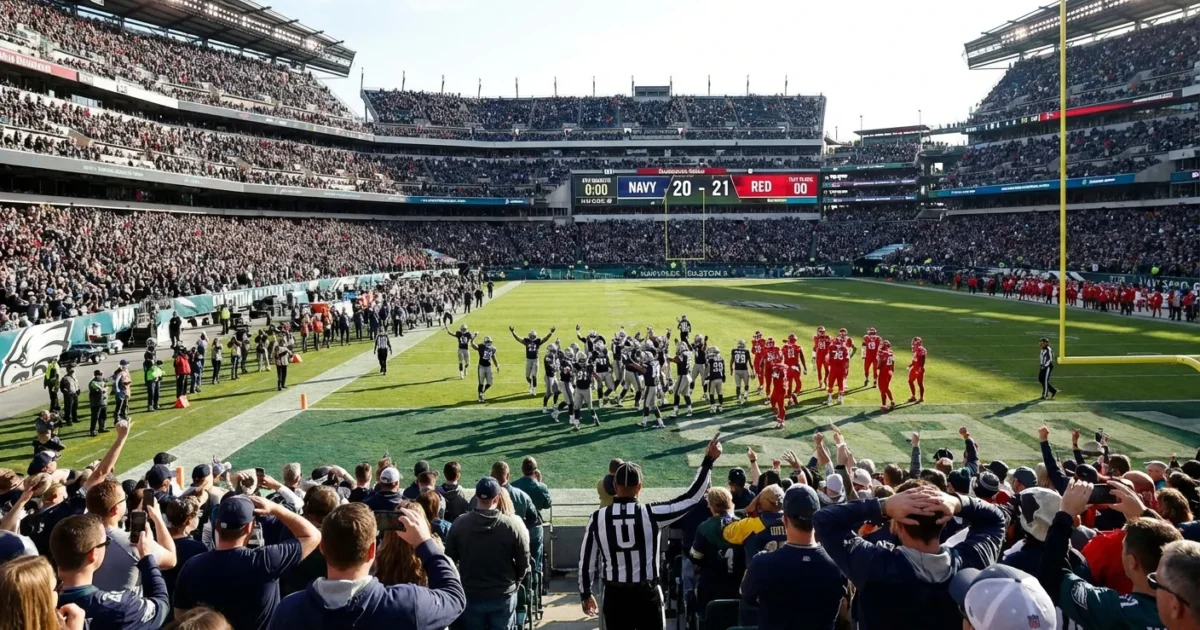
Chaos hit the AFC Championship when Jarrett Stidham lost the ball and the stadium froze. A Patriots defender scooped it and burst free for what looked like a dagger of a defensive touchdown. Then a whistle cut the play short. The return was ruled dead. The sideline erupted. The momentum swung twice in 10 seconds. And the rulebook sat at the center of it all.
The Play That Stopped Mid-Stride
I was field level when Stidham got hit as he released. The ball popped loose. New England pounced. The return man had daylight, and the bench surged toward the numbers. Everyone knew what six points felt like in that moment.
Then came the quick whistle. Officials waved it off, ruling the play dead. The ball was coming out. The Patriots still took over, but the return did not count. The stadium went from roar to confusion. Players kept pointing at the scoreboard, asking for the replay to fix it. It could not.
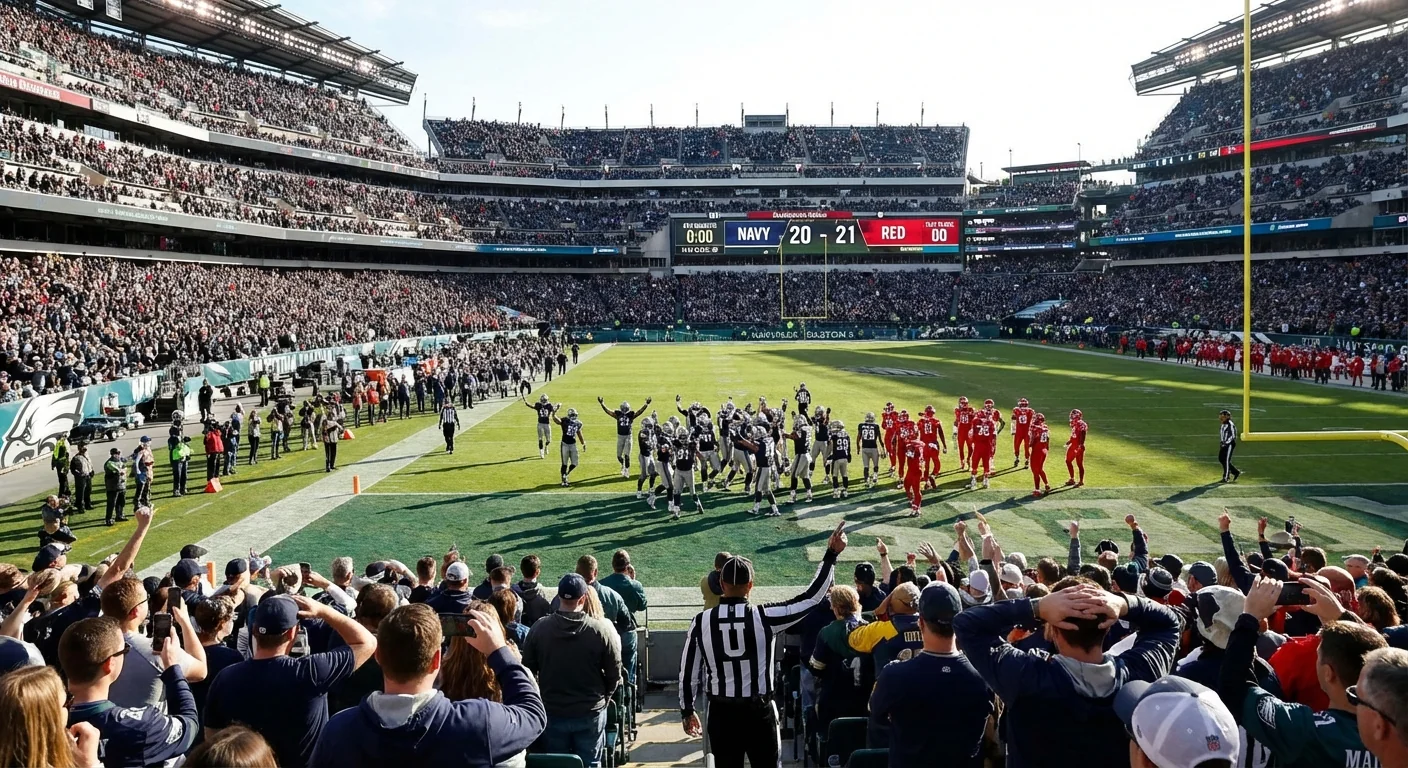
By rule, an early whistle kills the return. Replay can give the ball to the defense, but it cannot award advance or a touchdown.
Two snaps later, Drake Maye made it hurt anyway. The rookie pushed the ball across the goal line with a crisp red zone strike. New England got its touchdown, just not on the play it earned in live action. That softened the blow, but it did not end the debate.
Why The Whistle Mattered More Than The Points
Yes, the Patriots scored. Scoreboard pressure stayed on the opponent. Still, moments like this set tone and tempo. A defensive touchdown in an AFC title game does more than change numbers. It changes how both coordinators call the next three drives. It changes how a quarterback reads leverage and trusts his clock.
A return touchdown would have pinned Stidham under a pile of doubt. Instead, the offense had a chance to reset with a kickoff and structure the next series. That is the human side of officiating. You cannot replay adrenaline or fear.
Replay Has Limits
Fans want wrongs made right with a simple look at the tablet. The rules do not allow that here. An early whistle is a dead ball. We can judge recovery. We can spot the ball. We cannot give back yardage after a whistle stops play. That is the tradeoff built into officiating mechanics. Protect players, but risk losing a live return.
Stidham Under The Spotlight
This moment puts Stidham in the eye of the storm. Ball security is a quarterback’s heartbeat in January. His internal clock must match the rush. On the turnover, his back foot hit and he held a tick too long. The defender swiped through the arm. It was a savvy punch at the ball, not just a sack hunt.
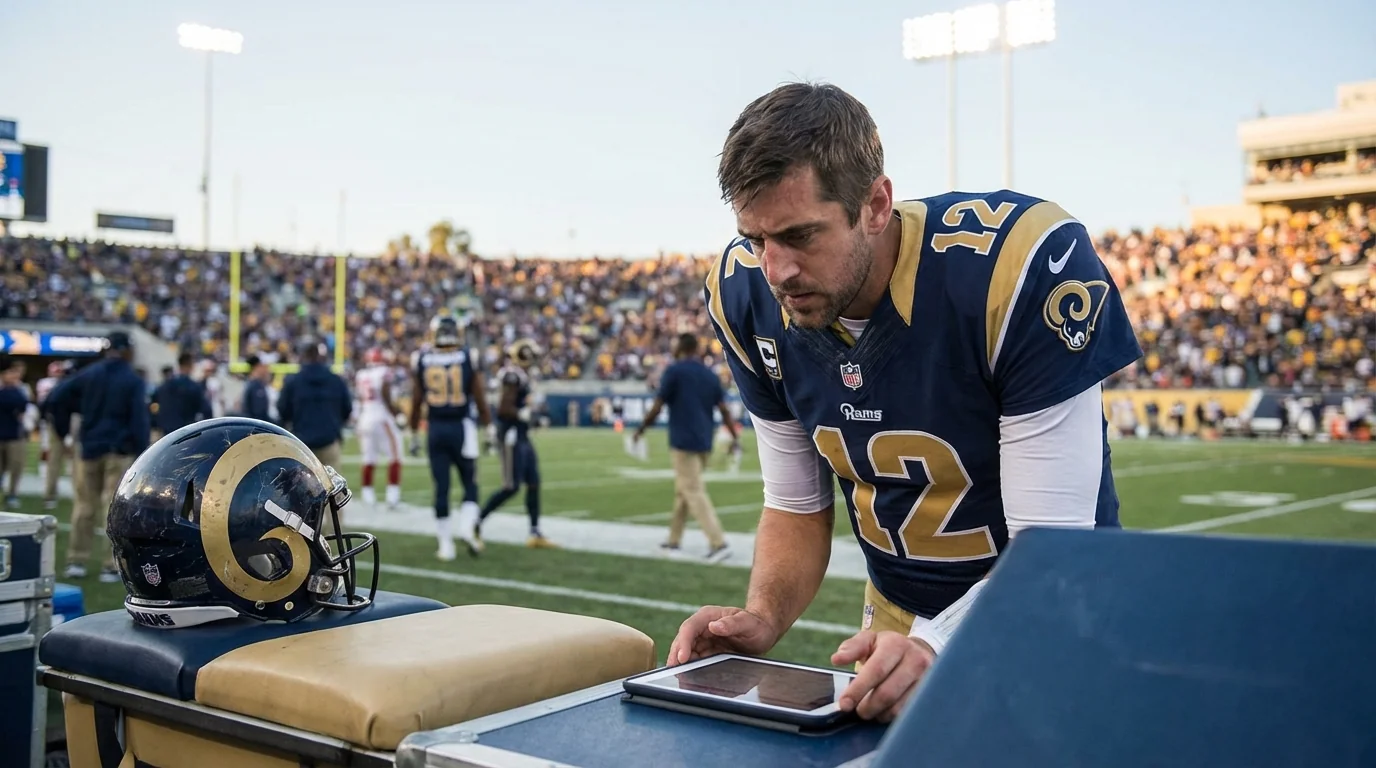
To his credit, Stidham stayed on the sideline and kept his eyes downfield on the tablet. The next drive would tell the real story. Does he speed up and get sloppy, or does he reset and trust his first read? Facing a New England front that changes pictures post snap is tough. The Patriots will now sit on crossers, bait the flat, and keep hands active at the point of attack.
The quick whistle took six off the board, but it did not erase the message. New England’s defense believes it can rip the ball out, anytime, anywhere.
What This Sequence Revealed
- The Patriots can win on defense, not just with Maye’s arm.
- Stidham must tighten pocket awareness, especially against simulated pressure.
- Officiating mechanics will always prioritize player safety over potential return yards.
The football side is clear. New England won the down. It then won the sequence with Maye. The culture side matters too. This team feeds on perceived slights. The sideline channeled that anger into a clean, ruthless red zone finish. That is how championship teams behave in crisis.
The Larger Officiating Debate
This will not be the last time we talk about quick whistles in big games. Crews are trained to kill a play when the ball appears dead or the passer seems in the grasp. It saves bodies and prevents scrums around a loose ball. It also removes the chance for a signature return.
In playoff football, officials want to let plays finish. But they cannot gamble with health in a crush of bodies. The league must keep refining how whistles and replay work together. Could a specific category of fumbles be reviewed with the return restored to the point the player was first clearly ahead of traffic? That is a policy question that will linger long after the confetti falls.
Conclusion
The whistle took a touchdown from the Patriots defense, then Maye gave it back with his arm. Stidham’s turnover became the spark that lit up the night, on the field and on every sideline tablet. The rulebook held firm, but the debate is alive. In January, one blown second can change a season. Tonight, it may define how this AFC title game is remembered.