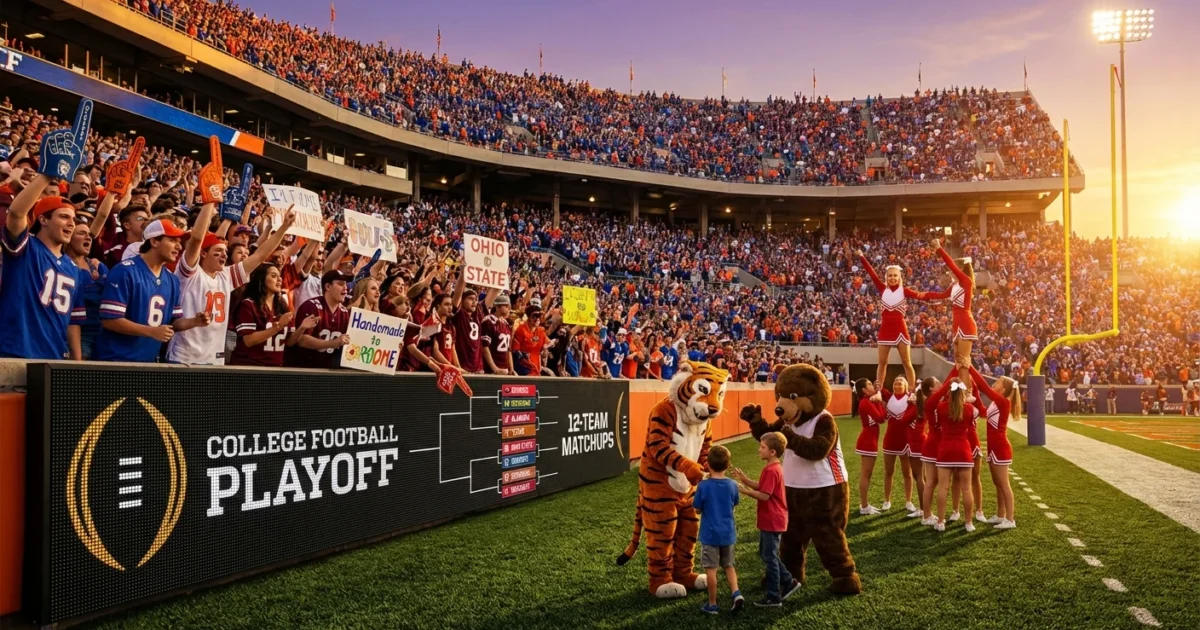
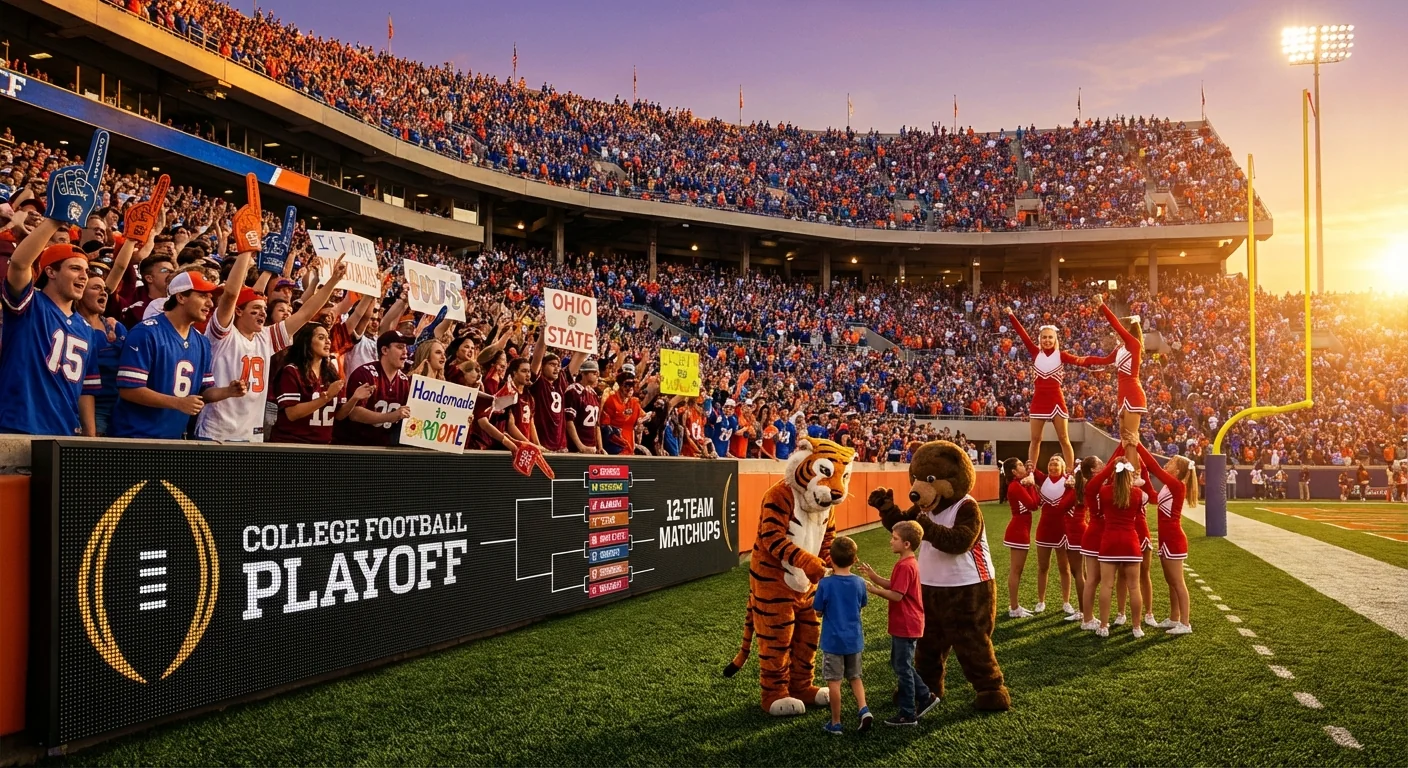
BREAKING: The College Football Playoff just changed the sport again. The 12 team bracket is live, with the top four seeds resting while seeds 5 through 12 gear up for on-campus battles. The math, the matchups, and the margins have shifted. I am already seeing clear advantages, real upset paths, and traps for public money. The race starts now.
The new playoff reality
This format rewards depth and punishes thin rosters. First-round games are on campus. That means real home field, real weather, and real noise. Quarterfinals move to neutral bowls, which changes the speed of the game. The top four will be fresh, but timing can slip with a week off. Coaches will talk about rest. The sharper ones will worry about rust.
Conference titles now carry more weight. A league crown can lock in a bye. At-large teams can still win the whole thing, but the road is longer. Health, special teams, and short yardage power now decide seasons. December football is not a 7-on-7 showcase. It is a line-of-scrimmage month.
Home field in first-round games matters more than a field goal. Crowd, cadence, and winter conditions tilt the edge to seeds 5 through 8.
First-round pressure points
Seed lines look clean on paper. They will not on the field. The 8 vs 9 is a coin toss. The 6 vs 11 is the chaos window. Physical underdogs can grind clock, shrink possessions, and turn the game into a fourth quarter street fight.
I am targeting favorites with leaky run fits. I am watching tempo teams that rely on rhythm, especially outdoors. Quarterbacks making their first playoff start are wild cards. If they get hit early, reads get late and drives stall.
- Upset profile to watch: a veteran 11 seed with a top 20 rush defense, a mobile quarterback, and a plus kicker
- Favorite most at risk: a 6 seed that allows explosives on early downs and faces a deep backfield
Red zone execution is the playoff tax. Field goals feel safe. They are not when the other team gets six. The sideline will know it. The stands will feel it.
Weather can flip a total by a full possession. Check wind and field surface, not just temperature.
Who is built to travel
Teams with a complete front seven travel. So do rosters with a top 15 success rate on offense, not just splash plays. A veteran quarterback who protects the ball is gold. A tight end who wins third down is often the hidden star.
Big Ten power translates in cold games. SEC speed pops on neutral turf in quarterfinals. Pac-12 style spacing, now spread across new leagues, can break a tired defense late. Special teams become a storyline. Hidden yards in the return game are back in style.
Culture matters too. Programs that embrace the grind will handle the extra week. Teams that chased style points all fall must now win ugly. Locker rooms that trust their defense can take the air out of the ball and ride the crowd. December favors grown teams.
The betting board, my early reads
Books hung numbers fast. The edges live in matchup traits, not logo bias. I am leaning toward home teams against pass-first visitors, and toward dogs with trench strength. Totals will be volatile until reports settle.
- First halves lean under in outdoor campus games with wind, especially for tempo teams on the road
- Quarterback rushing overs rise in playoff plans, coaches unlock designed keepers in money games
- Sack props for elite edge rooms have value against young offensive lines with silent counts
- Team totals for home favorites are safer than full game spreads if the backdoor is open
Quarterfinals are a new market. Neutral fields lift speed and special teams. Bye teams may start slow, so first quarter unders will be on my card. But beware overreacting to one rusty drive. Depth shows up after halftime.
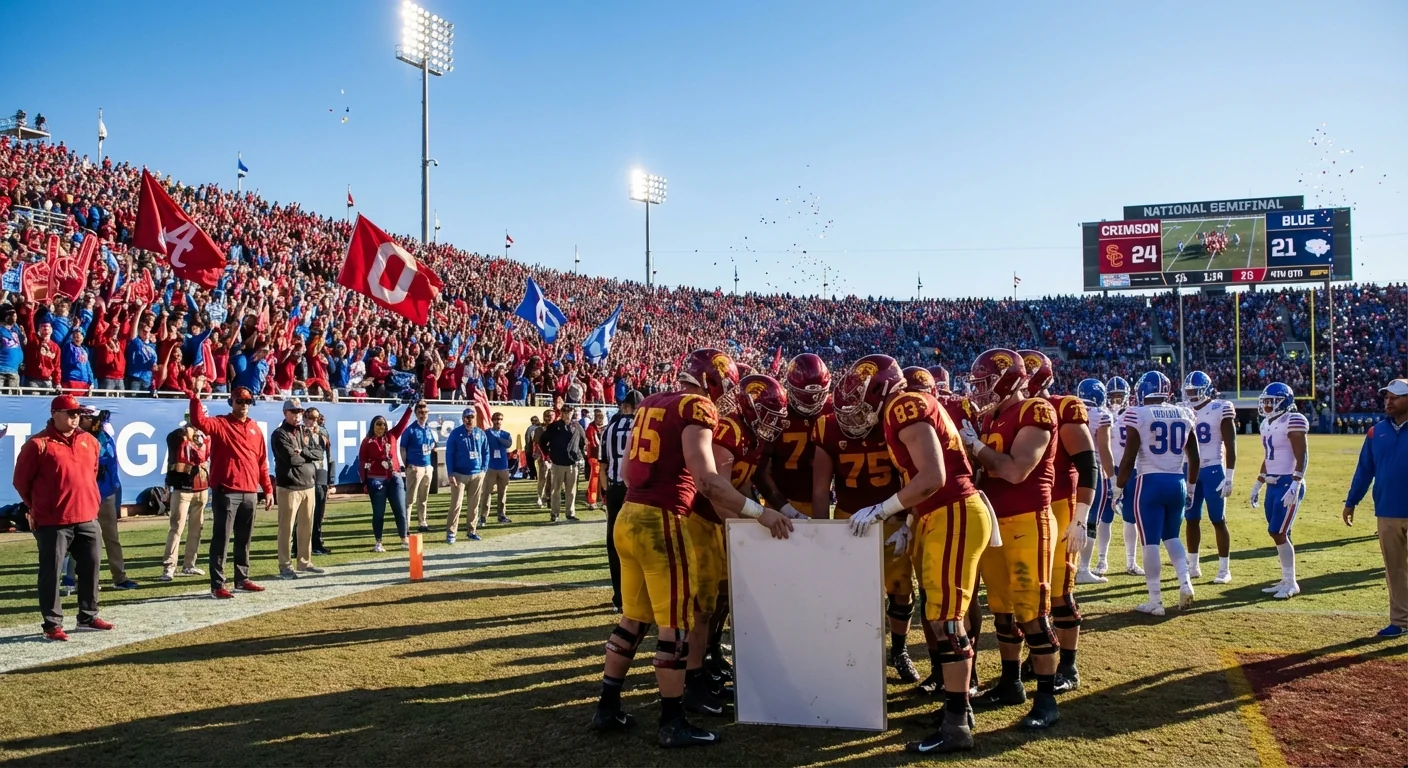
Injuries and snap counts are quieter this time of year, but rotation clues show up on special teams units first.
What to watch as the bracket rolls
Coaching is part of the spread now. Endgame choices can swing full units. Expect more fourth down aggression, especially by road dogs. Expect fewer empty possessions from home teams with a lead. Field position becomes a call sheet theme.
The transfer portal changed rosters, but continuity still wins. Offensive lines with 40 starts together act like a veteran backcourt in March. Defensive communication decides third and five. That is why I lean toward teams that keep their structure when the play breaks.
The bottom line is simple. The expanded playoff opens the door to more drama and more ways to win. The path is longer, the hits are harder, and the margins are thin. Balanced teams with a plan for four quarters will survive. Panic will not.
Conclusion: The first round will give us at least one shock. It will likely come from a road team that runs the ball and tackles in space. The bye teams will reset the quarterfinals with fresh legs and heavy scripts. Bank on defense, trust veteran quarterbacks, and respect home fields in December. The new playoff is here, and it is built for chaos.