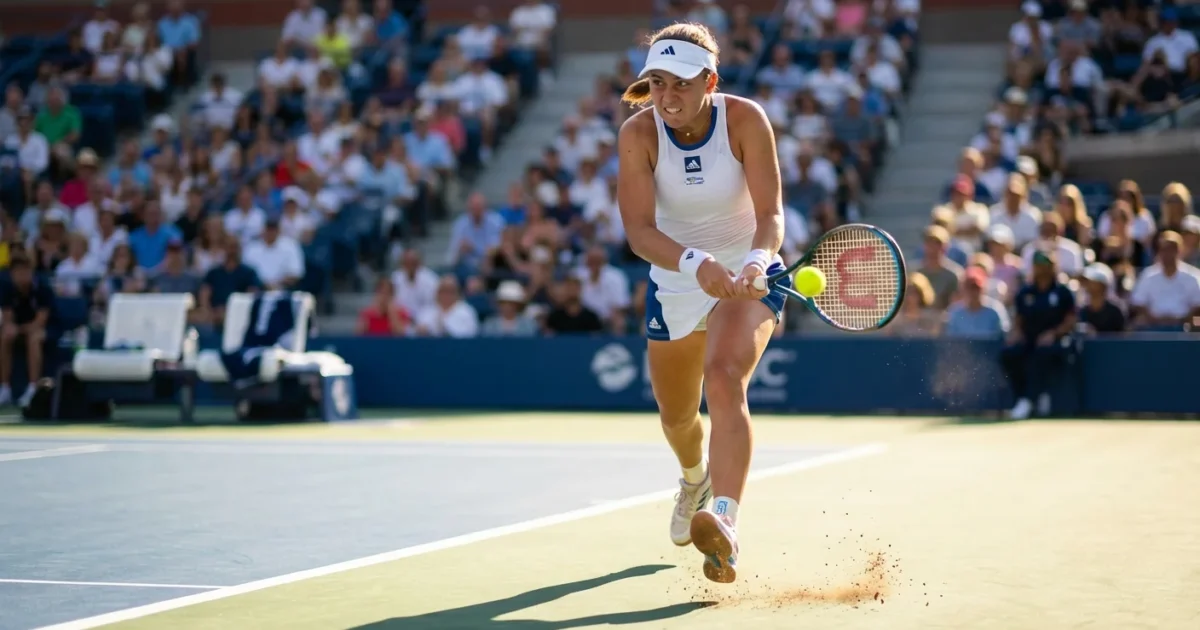
Amanda Anisimova just turned the word slam from a dream into a deadline. Fresh off a US Open final and now the U.S. No. 1, her window is open. Today, that window feels wider. Her game, her mindset, and her schedule all point to a real shot at a first Grand Slam in 2026. That is not hype. That is the shape of her tennis right now.
Why this surge feels different
I have tracked Anisimova’s matches and training blocks all summer. The changes are not cosmetic. They are central to who she is on court. She is playing on the front foot, but with control. Her serve placement is sharper, hitting wide and body targets with purpose. The backhand, always a weapon, is early and clean again. The forehand is heavier through the court, not just flat and quick.
She has also trimmed the errors in rally patterns that once cost her big points. The second ball is smarter. She finishes at the right time, not the first possible time. That discipline powered her in New York, and it traveled into the fall swing. Confidence followed, and the ranking rise did too.
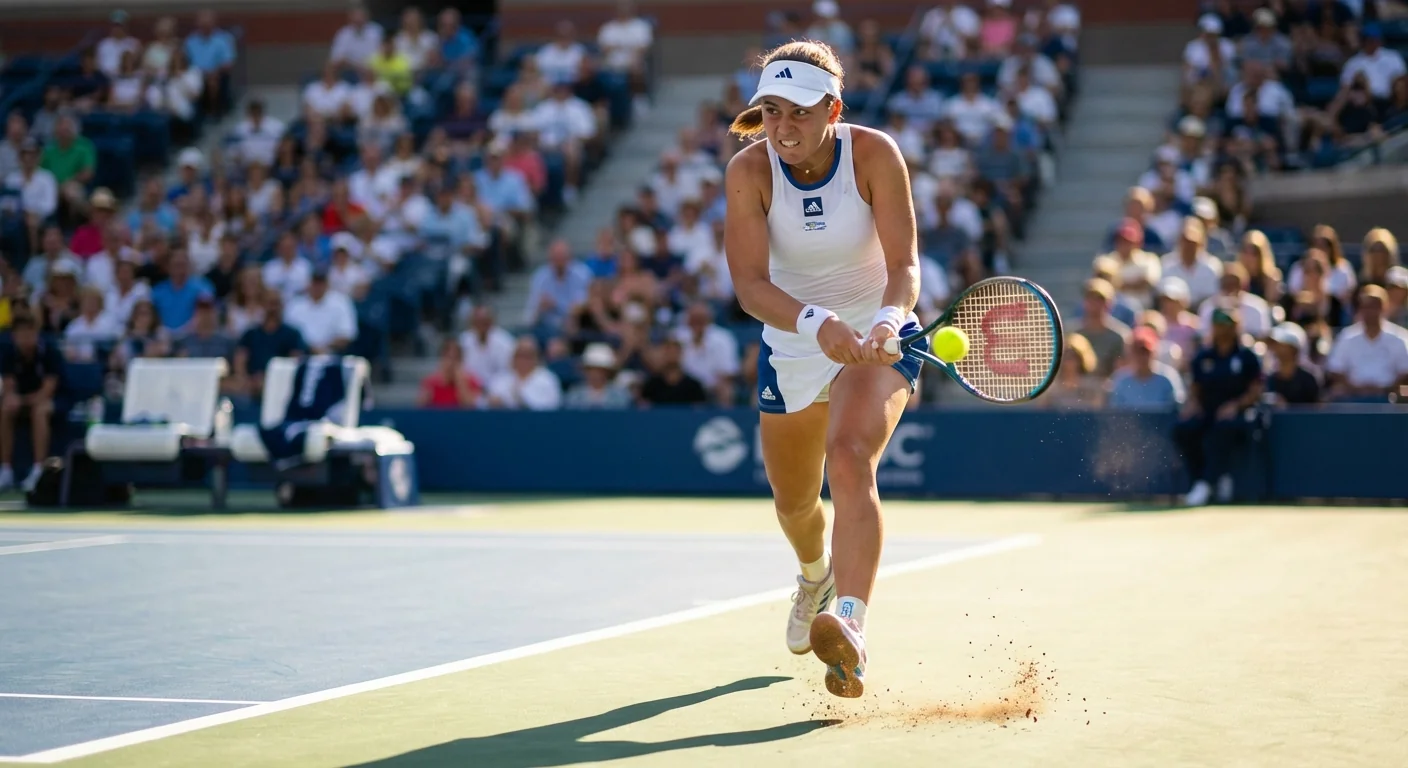
Anisimova is the new U.S. No. 1, and the slam clock on her career just started ticking louder.
The blueprint behind the leap
There is no single fix here. It is a stack of small gains that add up.
- Tighter serve targets, better first strike patterns
- Quicker first step, cleaner recovery out of corners
- Calmer shot selection on big points
- A lighter schedule, fresher legs in week two
The movement matters most. On hard courts, she now creates space around the ball, which lets her drive down the line and change direction without rushing. Opponents are not getting as many short looks. That changes everything in a tight set.
The pressure points
Her second serve has stabilized. She is hitting with more kick, which buys time against big returners. On return, she is standing a half step inside the baseline on second serves and picking on forehands. It is pressure without panic. That is championship tennis.
Watch the serve plus one. If Anisimova lands the first serve, the next ball usually goes to the backhand corner, then she finishes to the open court.
Where the slam might come in 2026
If you are circling dates, start in Melbourne. The Australian Open rewards first strike tennis and brave returning. That fits her current patterns. The courts are quick, the air is lively, and she likes playing early in the season when her legs are fresh.
Roland Garros is not a reach either. Anisimova has real clay DNA, with a history of deep runs in Paris. The ball sits up enough for her to take it early, and her backhand down the line hurts on clay because it opens huge angles on the next ball.
Wimbledon is the stretch, but not off the board. The serve, the flat backhand, the improved short hop timing, those tools matter on grass. If the draw gives her rhythm in week one, she can punch through a quarterfinal wall.
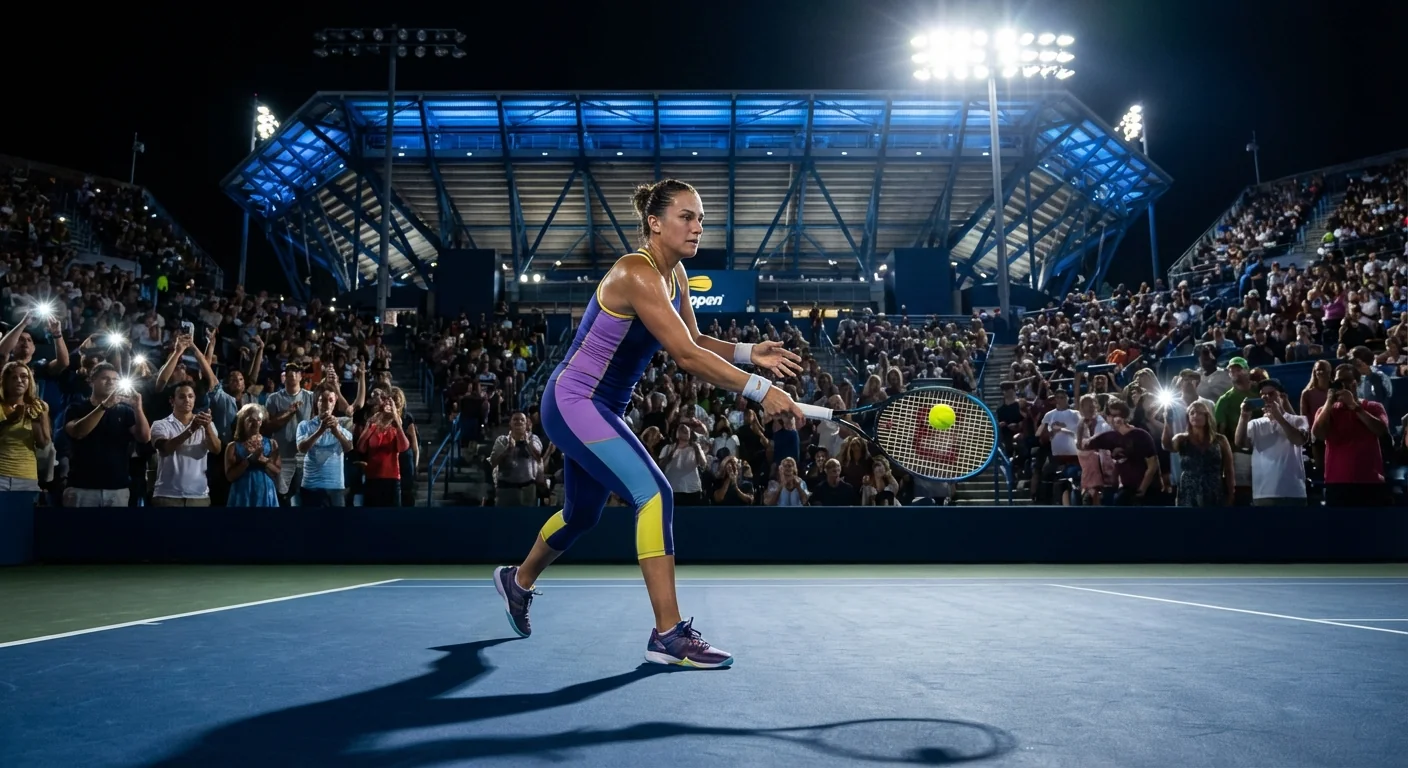
The US Open remains home base. The New York run this year changed how locker rooms see her. She handled noise, pressure, and night sessions, and she played her best tennis in the biggest stadium. That edge counts when the lights come up again next September. 🎾
The opponents and the matchups
To lift a slam, she will likely go through one or two of the heavyweights. Think Iga Swiatek, Aryna Sabalenka, Coco Gauff, Elena Rybakina. Each demands a different map.
Against Swiatek, she must steal time, take the backhand early, and live above the rally line at neutral. Against Sabalenka, the return game is the series. Make second serves feel small, make the forehand hit on the run. Gauff turns defense into attack. The key is variety, the short slice to the forehand, then the quick change of direction. Rybakina is a serve and first ball storm. Blocking returns deep, then using the middle of the court, can break the rhythm.
The point is not perfection. It is clarity. Anisimova now plays points with a plan, not just with power. That is how semifinals become finals, and finals become trophies.
What this means for U.S. tennis
The American women’s field is crowded with talent. Anisimova taking the top national spot, and doing it with proactive tennis, sharpens the whole group. Young players will copy the footwork and the choices, not just the highlight winners. That is how a culture forms around shots that win in week two, not just in the first round.
There is also a leadership shift in motion. Being U.S. No. 1 carries weight, practice demands, and media drag. She has handled the glare with quiet edges, not loud claims. That plays in locker rooms and in stadiums.
The bottom line
Can Amanda Anisimova win a Grand Slam in 2026? Yes, if this version stays. The serve has to hold, the legs must be there late in the week, and the decision making must stay simple. She has put herself on the right street. Now it is about walking it for seven matches. The slam is no longer a question mark. It is a target with her name on it.