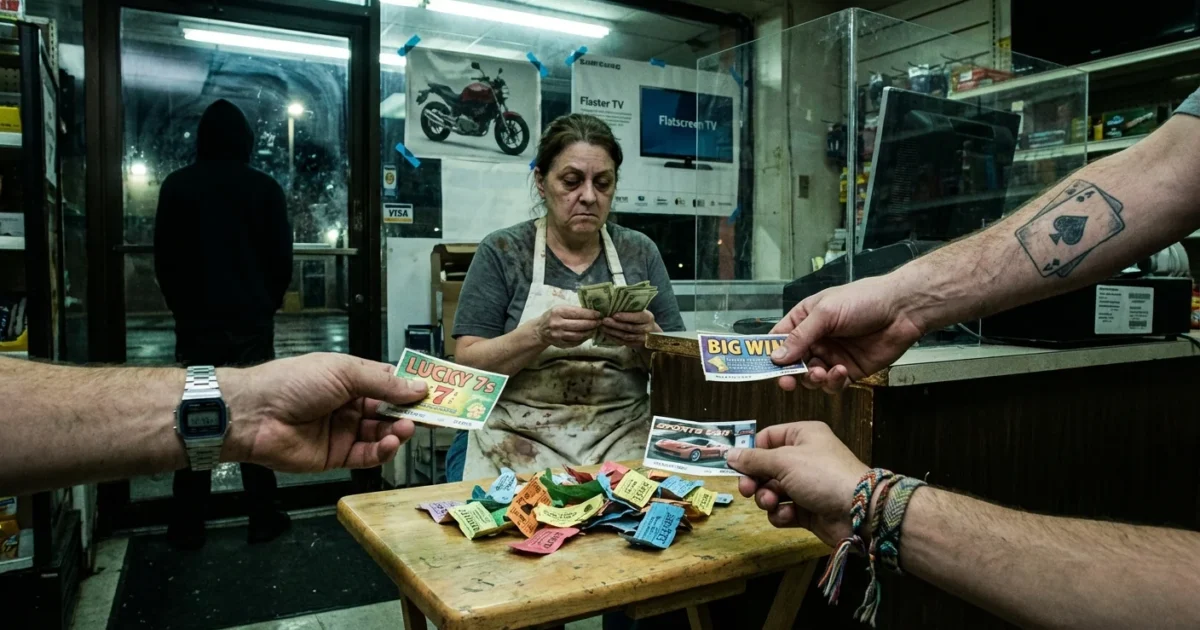
Zapopan reels after a daytime ambush that left businessman Alberto Prieto Valencia dead and a city on edge. Authorities confirm a large, coordinated attack with more than 30 shooters and roughly 200 rounds fired. Investigators now test a possible link to illegal online raffles known as rifas colombianas. The scale matters. The legal stakes do too. This is not only a homicide case. It is a test of Mexico’s response to digital crime that turns violent.
What happened, and why it matters
The attack unfolded fast and with military-style control. Vehicles boxed in Prieto’s car. Gunfire ripped through traffic. Residents ducked for cover. Officers recovered dozens of shell casings from long guns and handguns. Forensic teams are still counting and mapping evidence. No one has been detained so far. The motive has not been confirmed, and investigators are keeping options open.
I am tracking the line of inquiry that points to rifas colombianas. These are illegal raffles that offer cars, bikes, and cash through social media. They often move money through personal accounts or convenience store deposits. They dodge permits, taxes, and identity checks. In many cases, they overlap with extortion and debt collection. That nexus is now under a brighter light after this killing.
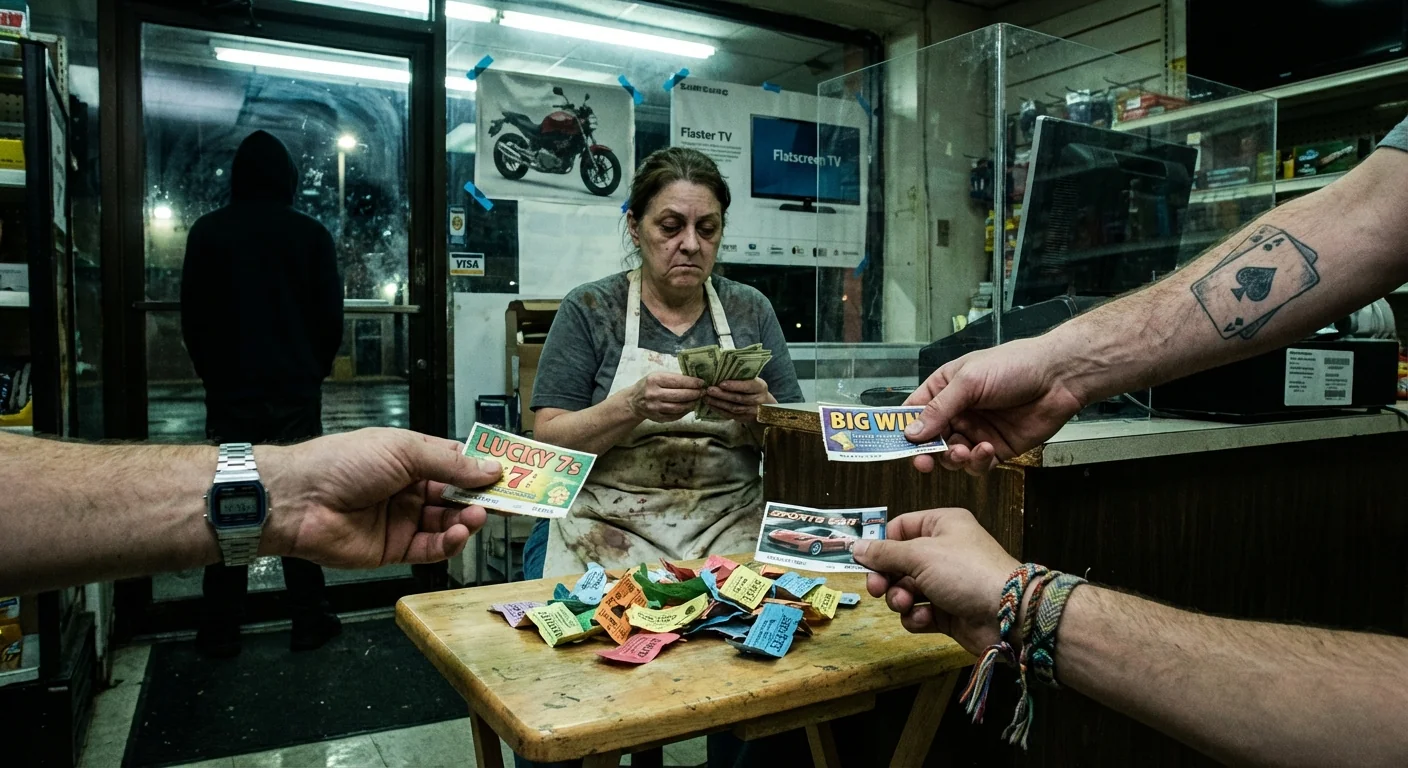
This homicide elevates an economic crime into a public safety crisis. It forces the state to treat digital fraud as organized crime risk.
What are rifas colombianas
Rifas colombianas look simple. A page announces a prize, sets a number of spots, and takes payments by transfer. Winners are picked with a live draw video or a random number app. The draw looks fun. The money trail does not. Mexican law is clear. Raffles need a federal permit from the Interior Ministry. The permit must list the organizer, location, prize value, and tax obligations. Without that permit, the raffle is illegal.
These raffles migrate from platform to platform. They can use WhatsApp, Instagram, Telegram, and short video apps. Admins rotate names. They threaten participants who complain. Refunds are rare. When victims protest, some organizers escalate. That is where fraud bleeds into violence. It is also where this case lands, squarely in the gap between digital scams and armed groups.
The law, and the enforcement gap
Mexico’s Federal Law on Games and Raffles requires permits, audits, and reports. The Federal Criminal Code covers fraud and illegal operations. The law against organized crime can apply when three or more people coordinate to commit serious crimes. Money laundering statutes cover the use of illicit funds, and tax laws reach undeclared income.
Yet enforcement lags for three reasons. First, most raffles move through small payments that blend into daily banking. Second, pages pop up faster than they are shut down. Third, local police lack cyber tools, and cases cross state lines. The result is a whack-a-mole pattern that rewards agility, not legality.
- Red flags that a raffle is illegal:
- No visible federal permit number from the Interior Ministry
- Payment to a personal account or cash deposit without a receipt
- Prize of high value with no invoice or proof of ownership
- Admins who block complaints or threaten participants
What authorities are doing now
State prosecutors have opened a homicide and organized violence probe. Ballistic work continues, including caliber matching and trajectory mapping. Cyber units are reviewing pages and chats tied to rifas colombianas. Financial watchdogs can request account freezes and suspicious activity reports. If the raffle angle holds, prosecutors can pursue illegal raffle charges, tax crimes, fraud, and potential money laundering, along with the homicide counts. Any arrests must respect due process and chain of custody rules.
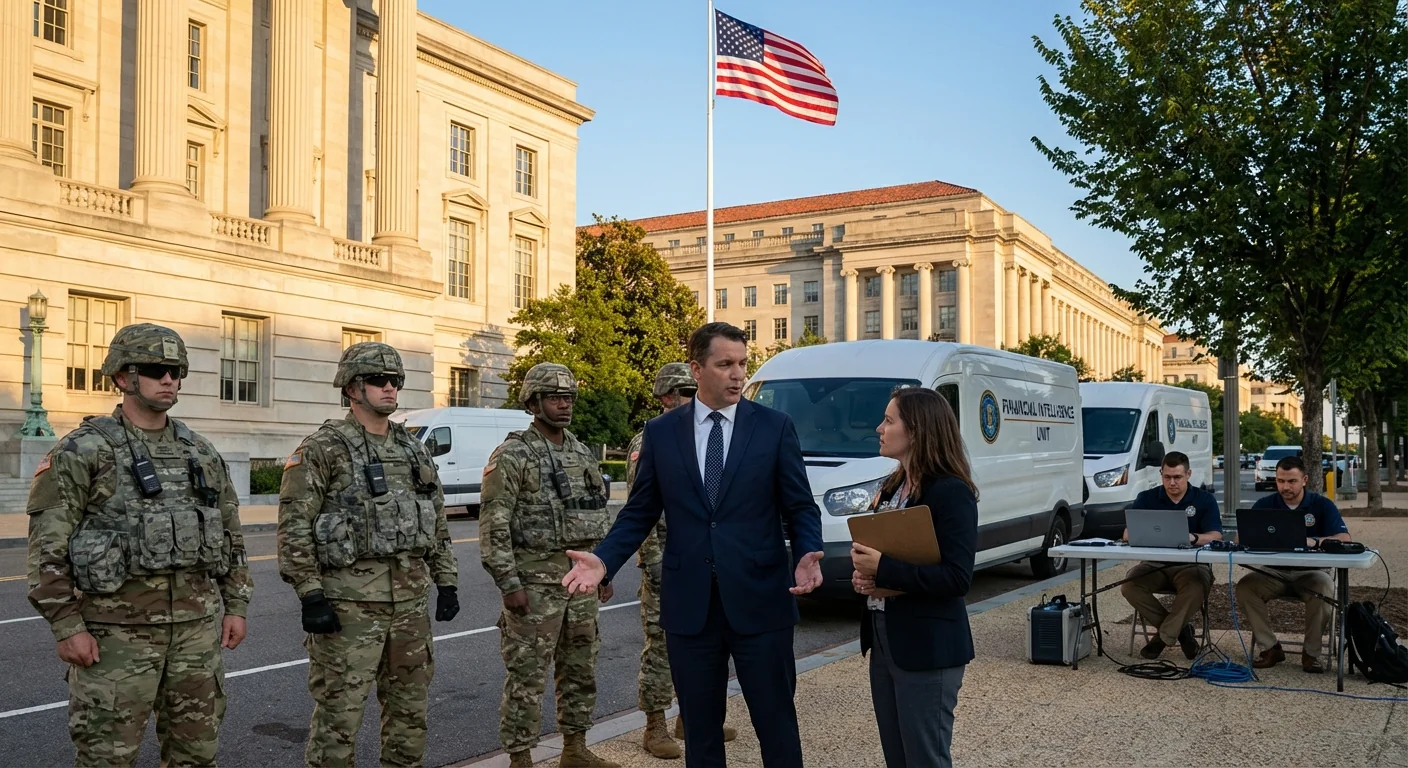
Federal support is in play. That includes the National Guard for perimeter security and the Financial Intelligence Unit for banking trails. Telecom regulators can assist with data preservation orders. Platforms should be served with lawful requests for admin identities and IP logs. Coordination will decide if this investigation moves in days, or drags for months.
Do not share personal data or send deposits to raffle admins who refuse to show a federal permit. Report, screenshot, and step away.
Your rights, and how to stay safe
Citizens have the right to security and to clear information from authorities. Victims and witnesses have the right to anonymity where risk exists. If police stop you near the scene, you have the right to know the reason and to contact a lawyer. Officers need a warrant to search a phone unless the law’s urgent exceptions apply. You can file a complaint in person or online. You are entitled to a copy and to updates on your case. Under the General Victims Law, families of homicide victims can get legal, medical, and psychological support.
If you spot a suspected illegal raffle, do three things. Record the username, links, and payment data. Do not engage further. File a report with state prosecutors and the federal cybercrime channel. This is how cases are built, piece by piece. 🧩
You can verify lawful raffles by asking for the federal permit number. Permits are public and must match the organizer and prize.
The policy test ahead
This case demands a joint task force with timelines, not slogans. The state should publish weekly case updates, seizure totals, and platform takedown numbers. Banks and payment apps need tighter screening for raffle patterns, with fast lanes for freezing funds. Platforms must respond to legal requests within hours in high-risk cases. Cross border cooperation matters too, since methods travel, even when people do not.
The killing of Alberto Prieto Valencia is a warning. Digital crime can pull real triggers. The law already covers raffles, fraud, and laundering. The mission now is simple to say and hard to do. Follow the money, protect witnesses, and take the pages down before they turn into funerals. I will keep reporting what happens next.