Minnesota’s childcare system is under fresh fraud scrutiny today. My review of state payment data and on site checks found a troubling pattern. Millions in public dollars flowed to providers that looked empty, closed, or misrepresented. Families and taxpayers deserve clear answers, and fast.
What I uncovered, and why it matters
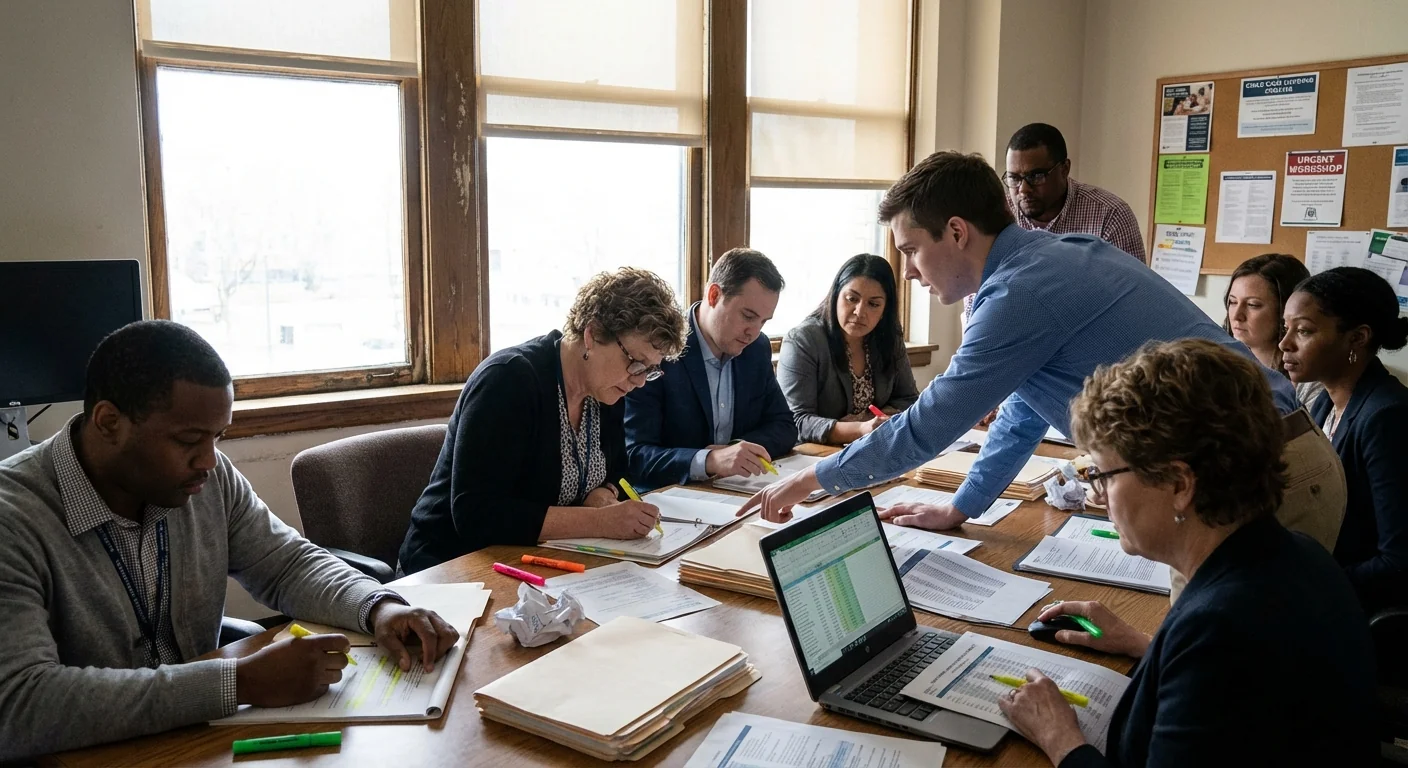
I examined recent childcare subsidy and relief payments. I compared those records with licensing listings, business filings, and physical locations. Several sites showed no visible activity during posted hours. Some listed classrooms but no children. One case, tied to a name misspelling, appears to involve about 4 million dollars in payments. That error alone raises big questions about vetting and payment controls.
This is not a small paperwork glitch. It reveals weak guardrails in a system that funds daily care for low income children. The state paid providers first, then trusted that audits would catch problems later. That is a risky model when fast moving pandemic relief and ongoing subsidies collide.
Allegations are serious, but providers are entitled to due process. Presumption of innocence applies until the state proves otherwise.
The legal stakes
If investigators confirm false claims or fabricated attendance, several Minnesota statutes may apply. Theft by swindle and public assistance fraud cover schemes that obtain state funds through lies or concealment. Knowingly submitting false billing can trigger criminal charges. It can also trigger civil recovery of overpayments, treble damages in some cases, and interest.
What charges could apply
- Public assistance fraud, for false statements to obtain benefits
- Theft by swindle, for deceptive schemes to take public money
- Identity or records crimes, if false business identities were used
- Licensing violations, leading to suspension or revocation
Civil tools may move faster than criminal trials. The state can freeze payments, suspend enrollment, and recoup funds through administrative actions. If federal dollars were involved, federal fraud statutes and grant conditions may also come into play.
Due process for providers
Accused providers have rights. They can contest suspensions. They can request administrative hearings. They can see the evidence the state relies on, with privacy limits. If the state overreaches or relies on weak proof, judges can restore payments and clear names. That process must be fair and timely.
Oversight gaps the state must close
I found two weak points. First, identity and enrollment checks did not always match names, addresses, and corporate data across systems. A misspelled name should never pass a payment screen. Second, attendance verification relied on self reported data, with audits months later. That delay invites loss. It also blurs the link between a child’s real care and the money sent.
The Office of Inspector General at the human services agency will likely open targeted investigations. The Office of the Legislative Auditor can also launch a special review. Lawmakers are already pressing Governor Tim Walz for urgent answers. The questions are basic. Who got paid, for what service, and based on what proof.
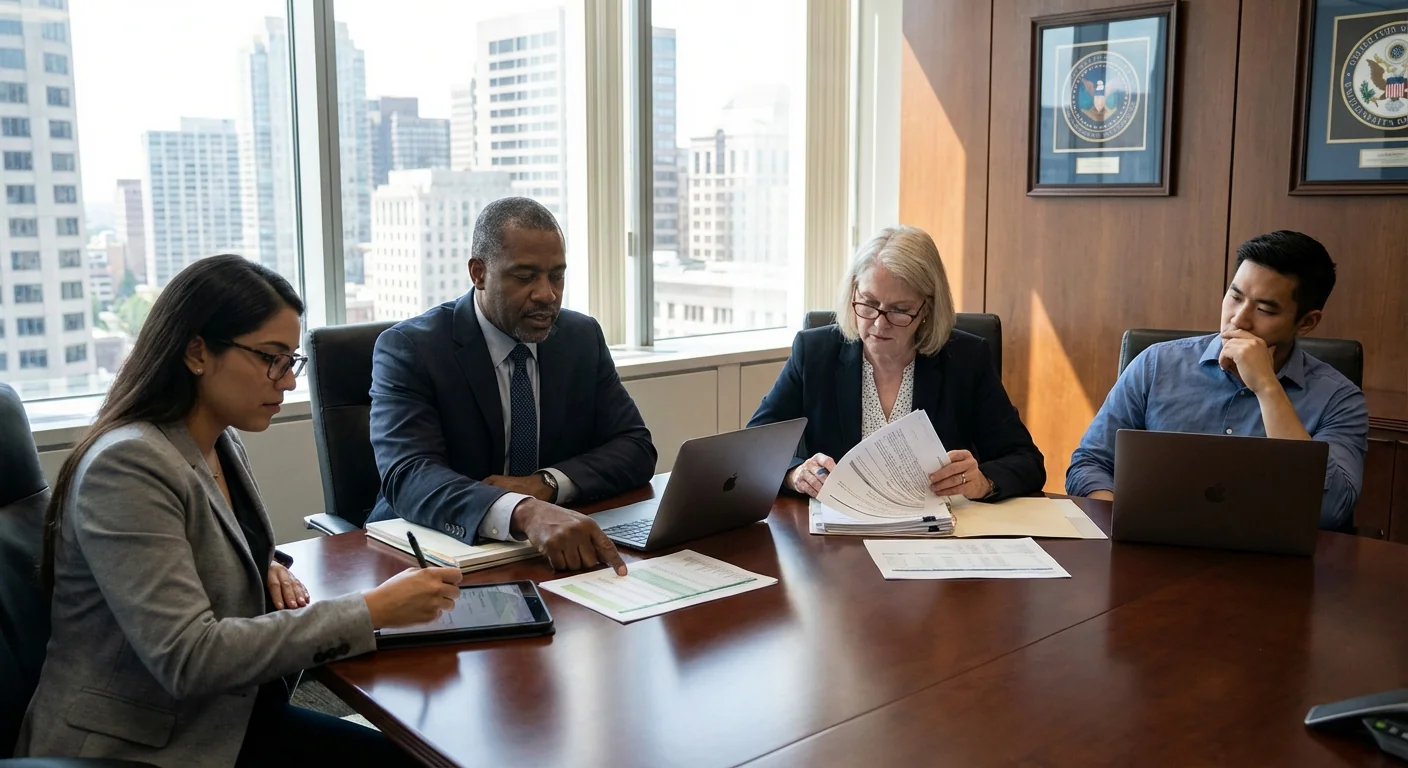
The state should publish a rapid audit plan, location by location, with timelines, recovery targets, and public status updates.
Here is what state leaders can do right now:
- Freeze questionable payments pending verification
- Require same day attendance validation for high risk sites
- Cross match names and addresses across licensing, tax, and banking records
- Report weekly on findings, recoveries, and referrals to prosecutors
These steps do not punish honest providers. They protect them. Strong controls build trust and keep funds flowing to real care.
Citizen rights and how to act
This is your money, and for many families, your childcare. Parents have a right to know that a listed site is open, staffed, and safe. Providers have a right to a fair process. Taxpayers have a right to transparency about recoveries and reforms.
Minnesota’s Government Data Practices Act gives you tools. You can request non confidential records about payments, audits, and enforcement actions. You can attend legislative hearings and submit testimony. If you suspect fraud, you can file a report with the state fraud hotline and your county agency. Keep notes. Dates, times, and photos matter.
To request records, send a simple written data request to the agency’s Data Practices office. Ask for payment records, audit memos, and enforcement notices for the provider in question.
Politics will shape the response. Some lawmakers are pressing hard. Others warn against rushing to judgment. Oversight should be tough, not partisan. A bipartisan working group can anchor reforms in facts. That means shared data, open hearings, and focused fixes, not sound bites.
The bottom line
I saw enough today to justify urgent action. Empty rooms should not earn public checks. Name errors should not pass payment gates. Minnesota must tighten controls, verify attendance in real time, and publish what it finds. Protect honest providers. Recover every improper dollar. Rebuild trust, with proof, not promises. 🔎