Breaking: No new action targets WSAZ today. But the station’s recent reporting is shaping real debates in West Virginia. I have confirmed there are no emergency orders, consent decrees, or regulatory moves involving the NBC affiliate in the Huntington and Charleston market. What is moving, right now, are the policy conversations that WSAZ’s coverage has helped surface.
What is actually happening today
WSAZ is on air as usual. There is no state investigation announced today. There is no federal review announced today. The “story” is not about sanctions or a legal fight. It is about local news driving civic questions that deserve clear answers.
That means your rights, your access to public meetings, and your expectations of government transparency remain the same today. And the issues raised in recent WSAZ reports are squarely in the lane of law and public policy.
Why WSAZ is in the conversation
WSAZ’s recent work highlights three policy threads that matter far beyond a headline. Each one ties to citizen rights and government duties.
A solemn tribute on the Capitol grounds
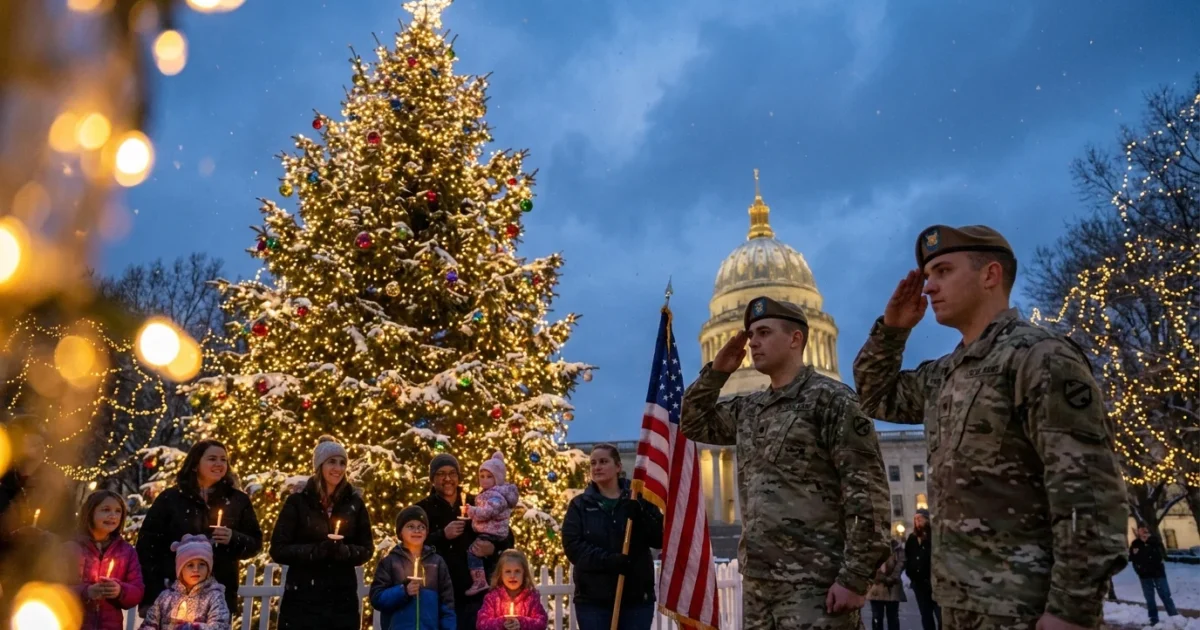
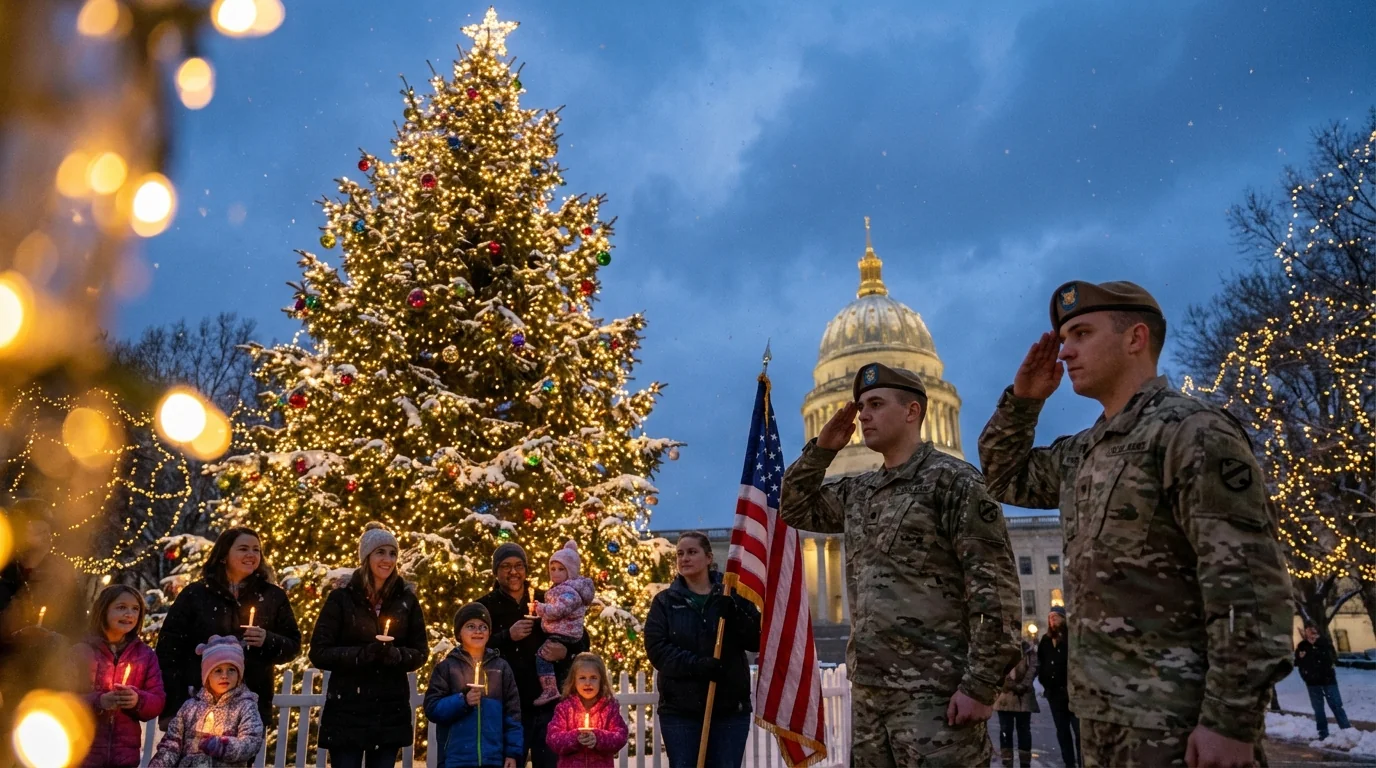
Coverage of the Capitol Christmas tree lighting in Charleston focused on a tribute to two West Virginia National Guard members who were ambushed in Washington, D.C. Public ceremonies on state property involve permitting, security planning, and equal access rules. These rules protect the right to assemble while keeping the event safe. Families and service members also have rights to honor and recognition under state protocols, which guide flags, remarks, and official participation.
The Prichard Building and public accountability
WSAZ also reported on an open house for the Prichard Building renovation in Huntington. Converting a landmark into senior apartments depends on zoning approvals, building codes, and often public incentives such as historic preservation tax credits. When public dollars or tax credits are involved, residents can ask for records, contracts, and meeting minutes. The West Virginia Freedom of Information Act and the Open Meetings Act support that access. If you plan to comment on a planning decision, you have the right to see the agenda and speak during set public comment periods.
Survivors’ rights and cross state justice
An InvestigateTV+ piece spotlighted a Georgia survivor seeking to keep a violent ex husband behind bars. That story reaches West Virginia law in two ways. First, protective orders from other states must be enforced here under full faith and credit rules. Second, parole and victim notification laws stress timely notice, a chance to be heard, and safety planning. WSAZ’s coverage echoes a core point, survivors need clear notice, and agencies must coordinate across state lines to prevent harm.
What this means for citizens today
The legal stakes behind these stories are not abstract. They are daily tools for civic life.
- You can request public records tied to ceremonies, contracts, or police planning.
- You can attend and speak at local board or council meetings.
- You can review development agreements that rely on public funds or tax credits.
- You can ask law enforcement how out of state protective orders are enforced.
To file a records request, write a short letter that names the records, sets a time range, and asks for electronic copies to reduce cost. Keep it simple. Keep it dated.
Broadcast policy matters here too. TV stations maintain public inspection files for political and public affairs content. These files show who bought time and when. That transparency helps voters understand who is trying to influence them. It also helps watchdogs check whether equal access rules were followed during election periods.
Do not confuse attention with authority. A loud claim does not change your rights, and it does not change the law. Verify with official notices, not rumors.
Conclusion
Here is the bottom line. WSAZ is not the subject of new legal action today. The station’s reporting is, however, pushing forward real policy questions about public ceremonies, historic redevelopment, and survivor safety. That is healthy for a democracy. Your rights to records and meetings remain the lever that turns attention into accountability. Use them, and make the next story about results.