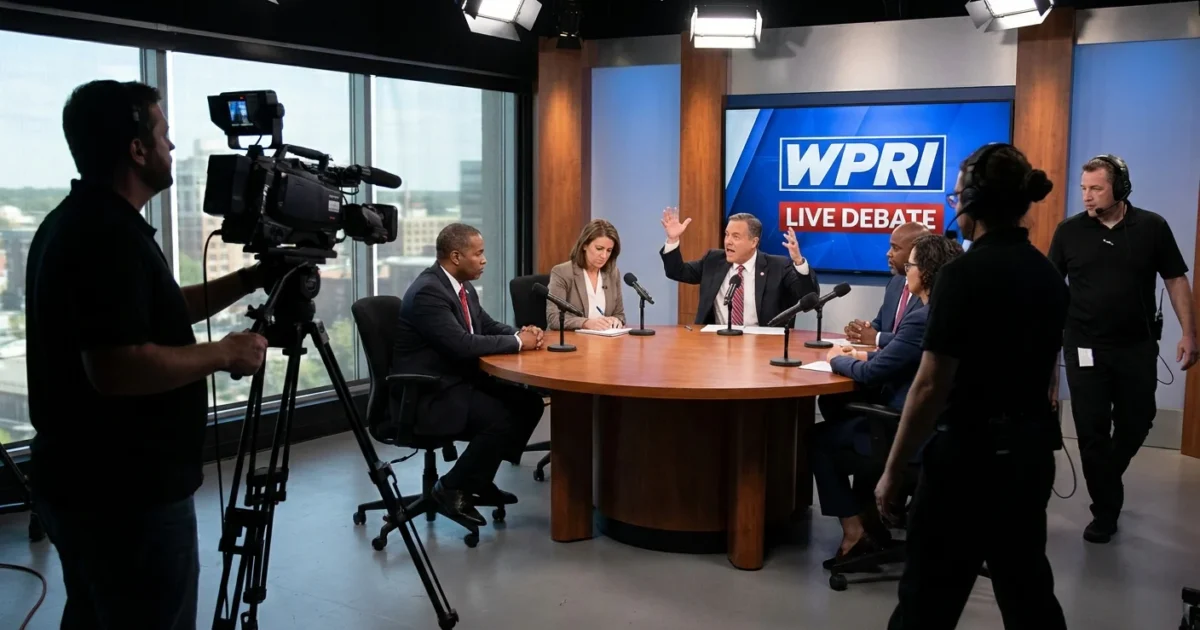
Rhode Island’s most-watched CBS affiliate is resetting the rules of local accountability TV. Today, WPRI enters a new phase for civic coverage, pairing a fresh public affairs series with a major leadership change. The mix raises real questions about how the station will meet its legal duties and serve the public interest in 2026.
A newsroom in transition, with policy stakes
WPRI, owned by Nexstar Media Group, is moving forward after the October 6 exit of longtime general manager Pat Wholey. He helped build Target 12, grew the 4 p.m. newscast, and launched the WPRI 12+ app. His departure is not just a business move. It affects how the station sets editorial priorities, handles public records, and balances broadcast with streaming.
In a regulated industry, leadership guides legal compliance. The general manager sets tone on fairness, access for candidates, sponsorship disclosure, and complaint response. With a new public affairs program now in rotation, every choice carries legal weight and civic impact.
The new public affairs bet
Behind the Story launched June 13, hosted by investigative reporter Eli Sherman, with Dan McGowan and Kim Kalunian as frequent voices. It runs Thursdays on the WPRI 12+ app, and Sundays on FOX Providence and The CW Providence. The goal is simple. Explain how the news was reported, show the receipts, and press officials to answer.
This is not entertainment. It is a forum where policy meets proof. That makes it powerful in an election year and during the legislative session. It also triggers clear rules on equal opportunities for candidates, issue advocacy, and on-air disclosures.

Viewers have a right to inspect WPRI’s FCC online public inspection file. It lists political ad buys, quarterly issues reports, and more. Use it. Ask questions. File concerns if needed.
Legal duties meet a digital pivot
Broadcast and streaming play by different rulebooks. WPRI’s CBS signal answers to the FCC’s public interest standard. That includes political files, reasonable access for federal candidates, sponsorship ID, EAS alerts, and children’s programming filings. Equal opportunities apply when legally qualified candidates appear in non-exempt programs.
The 12+ app is different. Streaming content does not sit under the same FCC regime. Yet transparency still matters. Federal and state laws require clear disclaimers for paid political content. Rhode Island law also covers campaign communications and disclaimers for state races. If Behind the Story books a candidate or campaign surrogate, the station must track equal opportunity requests and document time given.
Open government rules are on the table too. Rhode Island’s Access to Public Records Act, and the Open Meetings Act, shape what journalists can obtain and how officials must disclose. A show that leans on documents should post key records when possible, and explain redactions that limit what viewers see. That builds trust and protects citizens’ right to know.

Candidate interviews can trigger equal opportunities for opponents. News interviews are often exempt, but labeling and format matter. Stations should document editorial criteria and respond promptly to rival requests.
What this means for viewers and voters
This is a chance to strengthen Rhode Island’s civic information pipeline. It can also confuse the rules if the lines between broadcast and streaming blur. Here is the bottom line for citizens:
- You can request WPRI’s political file and issues reports through the FCC portal.
- You can file APRA requests with agencies cited on the show to see source documents.
- If one candidate gets meaningful air time, rivals may request equal opportunities.
- Paid segments must be labeled, including on the app, with clear sponsorship ID.
Editorial independence, corporate structure
Nexstar owns WPRI, and also operates Fox and CW affiliates in the market. That structure can enable cross-platform reach. It can also raise concerns about viewpoint diversity. The best safeguard is sunlight. Publish methodologies. Explain conflicts. Correct mistakes quickly. Use the public file and the app to show your work.
What comes next
WPRI has an opening to lead New England in transparent, document-driven local TV. The new show can push for clean public records and sharper debate. The leadership change can either accelerate this push or slow it. The law is clear. The public interest standard is not a suggestion. It is a duty.
If the station pairs strong investigative reporting with strict compliance, viewers win. If it blurs rules across platforms, trust will suffer. This moment will define the next chapter of Rhode Island civic media.
Conclusion
WPRI is betting that deeper public affairs coverage and a strong digital footprint can serve viewers better. That bet comes with legal lines that are bright and enforceable. If the station leans into transparency and compliance, Rhode Island voters will be the winners.