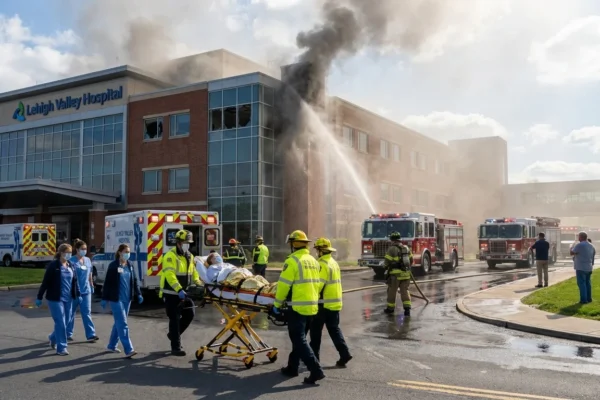
Breaking: WOOD TV 8’s real-time coverage guides a shaken Ionia through grief, law, and public accountability
In Ionia, a community is grieving. Families woke to school closures. Police tape went up on a campus where students usually feel safe. As investigators work, WOOD TV 8 has become the primary lifeline for clear, local information. Today, the legal stakes are as real as the emotions.
What we know, and what is still unanswered
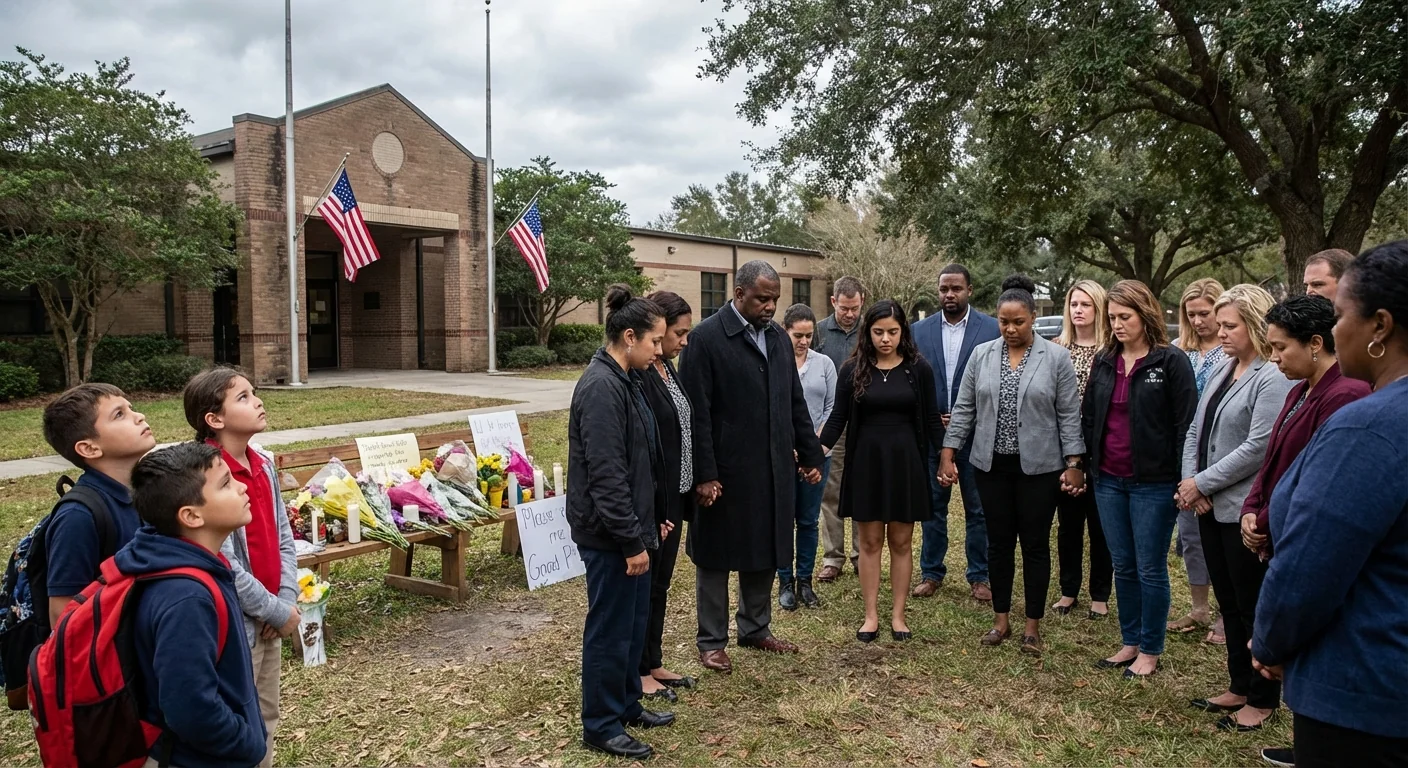
An educator was found dead on the Ionia school campus last week. Officials later identified him as Jason Little, 36, principal of Douglas R. Welch High School. The district closed Ionia High School, Welch High School, and Bulldog Beginnings Preschool starting December 4 to allow space for the investigation and support.
On December 8, the district closed all schools to allow the community to attend Mr. Little’s funeral. Investigators say there is no threat to the broader community. The autopsy is pending. Results are expected in one to two weeks. The district has mobilized grief counselors. A local fundraiser is supporting his family and children.
Law enforcement has not released a cause of death. That is standard during an active investigation. The medical examiner will determine the cause and manner of death. That finding will guide any further legal action.
The law behind the updates
When a death occurs on school property, several laws move at once. Police secure the scene. The county medical examiner takes jurisdiction over the body and evidence that relates to cause of death. The school district handles safety, access, and communication to families.
Public records law also matters. Under Michigan’s Freedom of Information Act, many records are public. But active investigation records can be withheld for a time. That includes certain police reports, surveillance footage, and witness statements. Once the investigation closes, more records may become available. Families and journalists can request logs of closures, district communications, and policy memos sooner.
Student privacy protections still apply. FERPA shields student records, names, and identifiable details. That limits what schools can release about student witnesses or counseling records. It does not block release of general safety updates.
There is also a workplace lens. If a death is found to be work related, state workplace safety rules may require notification to regulators. That determination depends on the medical and investigative findings.
Active investigations limit what officials can release. FOIA rights remain, but certain records can be delayed until the case is closed.
School responsibilities and family rights
Parents have the right to clear and timely safety information. The district’s closures and counseling supports fit known crisis response practices. Schools must protect students’ access to counseling. They must also provide reasonable attendance flexibility during grief.
The community also has rights under the Open Meetings Act. If the school board meets to discuss this incident, the meeting must be open to the public, with narrow exceptions. Closed sessions are allowed for specific legal advice or certain personnel matters. Final decisions must be made in public.
Families deserve privacy and respect. That includes measured language from officials and media while facts are developing. The law balances that privacy with the public’s right to know what affects school safety.
Parents can ask principals for counseling options, schedule adjustments, and district crisis resources. Put requests in writing for clarity.
Avoid rumors. Sharing unverified claims can harm an investigation and cause real harm to students and staff.
WOOD TV 8’s role in a moment that demands trust
Local media become civic infrastructure in moments like this. WOOD TV 8 has been the central hub for school closure alerts, official statements, and community resources. That work matters. It helps families make safe choices. It reduces confusion. It keeps the focus on verified facts.
There are legal limits that guide responsible coverage. Reporters may gather news from public sidewalks and other public spaces. Access to school grounds can be restricted for safety. Interviewing minors requires extra care and, in many cases, parental consent. Naming the deceased follows next of kin notification. Releasing cause of death waits for the medical examiner.
When done right, local reporting supports public rights without crossing privacy lines. It helps residents understand what they can ask of government. It shows where policy is working, and where it is not.
What residents can do right now
- Use official school and law enforcement updates for safety decisions.
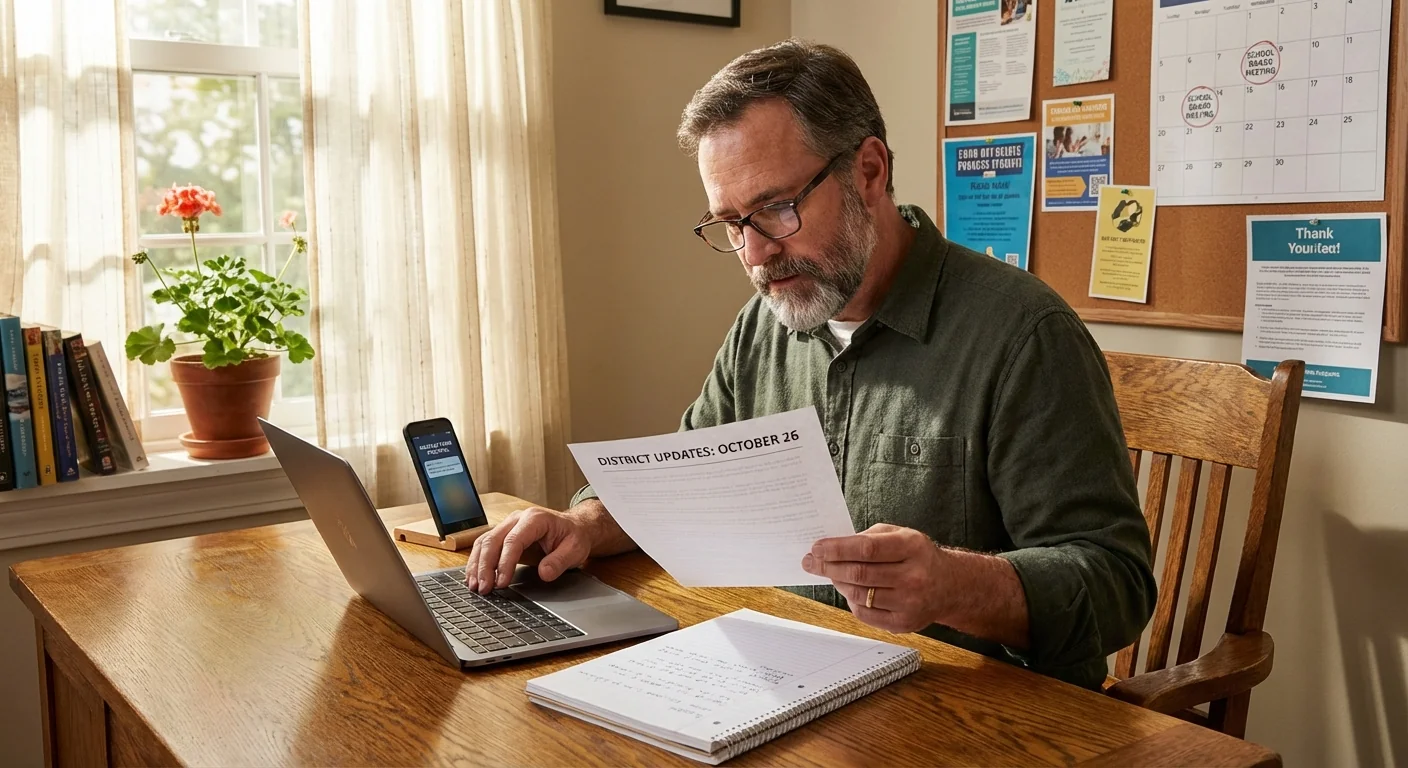
- Keep copies of district emails and phone alerts for your records.
- Attend any school board meetings and ask clear, respectful questions.
- If you give to a fundraiser, verify it is organized by trusted contacts.
Conclusion
Ionia is hurting, and it is looking for answers. The law sets careful guardrails for what can be shared and when. WOOD TV 8’s steady updates show how local journalism, clear rules, and community care can move together. Facts first. Privacy respected. Public rights protected. That is how a community finds its way forward. 💙