BREAKING: WNEP pulled from DIRECTV amid carriage fight, raising safety and access concerns
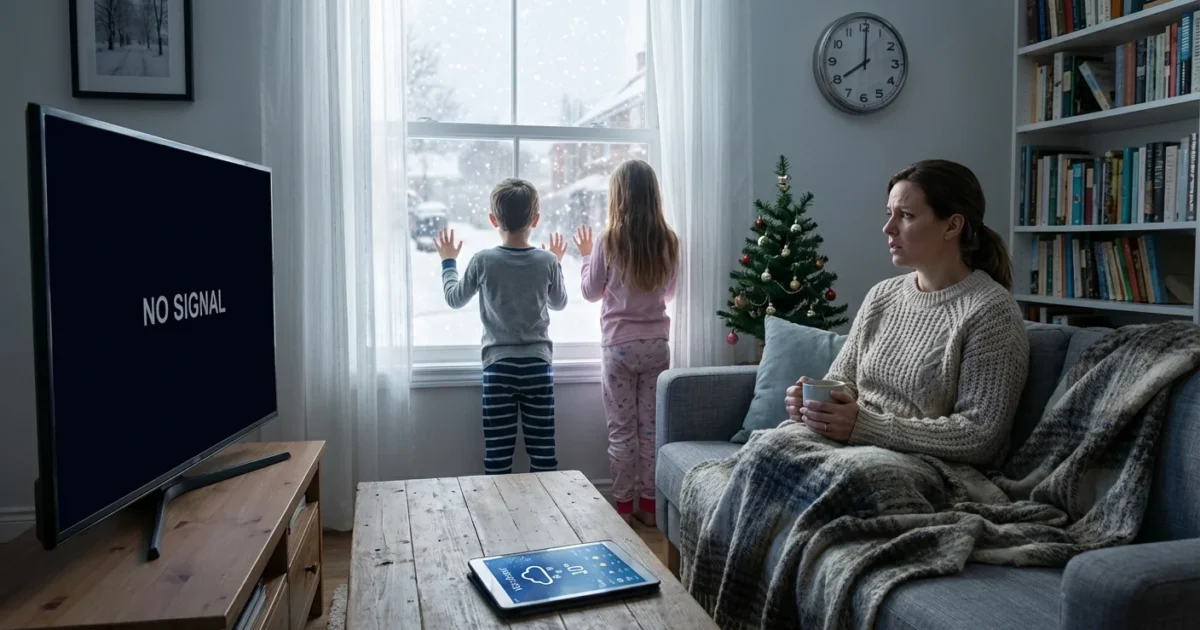
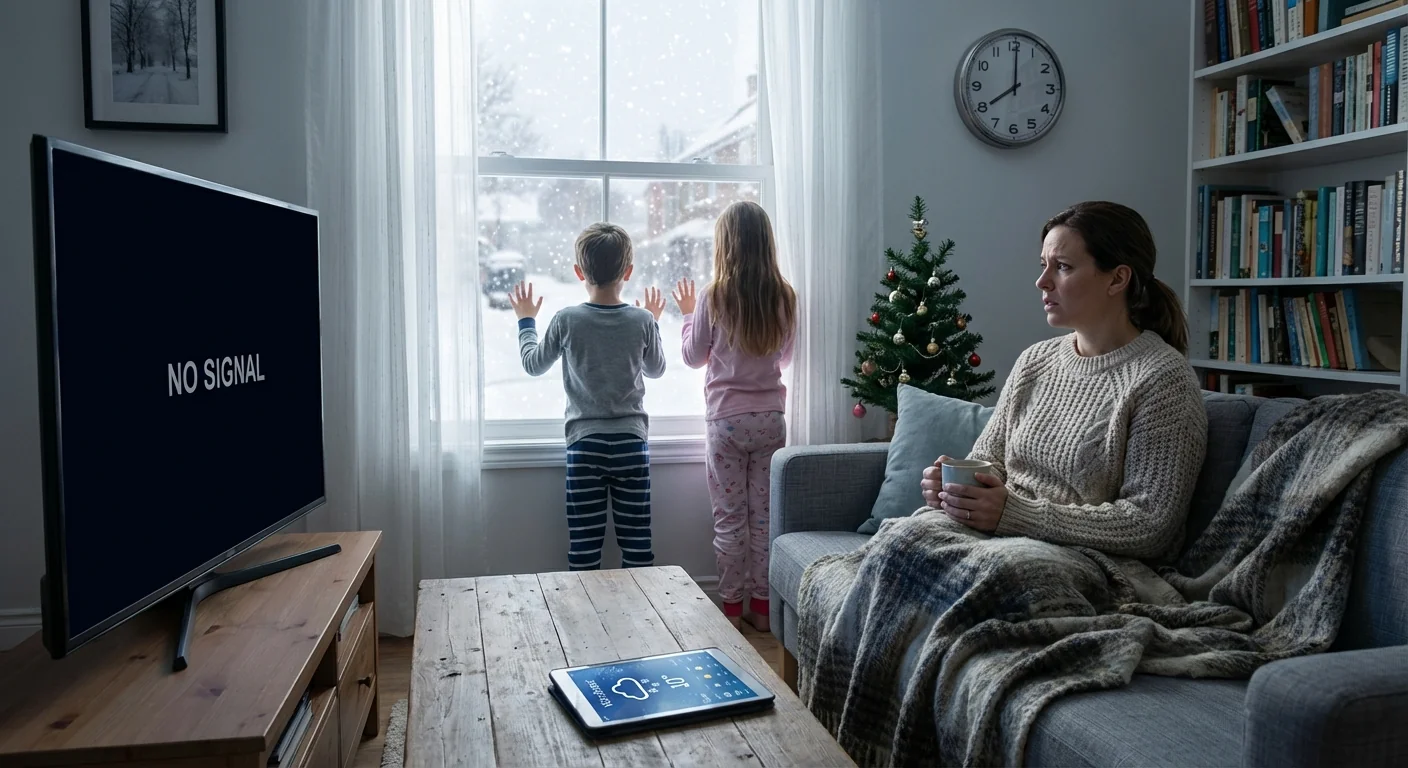
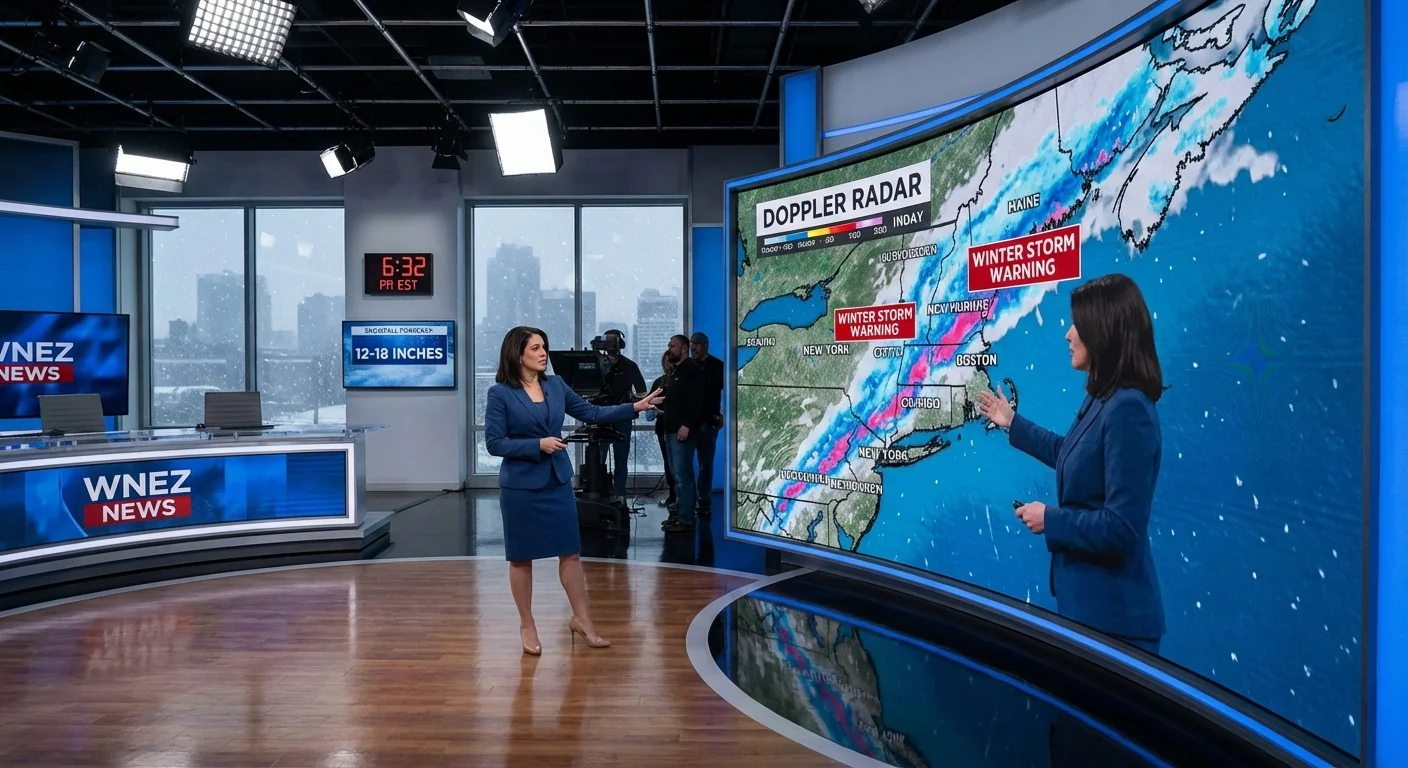
Northeastern and Central Pennsylvania woke up to a blackout. WNEP, the region’s ABC station, is off DIRECTV. The dispute began in late November. A brief extension ran out. Talks continue, but screens are still dark. This is not just a TV fight. Winter weather is here. People need local alerts, road closures, and school notices. They need them fast.
What happened and who is affected
WNEP and DIRECTV failed to reach a new carriage deal. Without a contract, DIRECTV cannot legally carry the station. That shutoff started around the end of November, after a short extension expired. Customers across the Scranton, Wilkes-Barre, and Williamsport markets lost the channel.
This is lawful under federal rules. It is also disruptive. Many households rely on WNEP for early season snow updates and holiday event coverage. Families with no antenna or streaming plan have no simple backup.
Local stations can withhold their signal during a dispute. Pay TV providers can drop the channel. The FCC does not set prices, and it does not force carriage.
The law behind the blackout
Commercial stations choose every three years between must-carry and retransmission consent. WNEP, as an ABC affiliate, has elected retransmission consent. That means carriage requires a private deal, often with fees. When a contract ends without a new agreement, the station can pull its signal. DIRECTV must stop carrying it.
Both sides must follow the FCC’s good faith rules. Each party must meet, share proposals, and not stall on purpose. The FCC can investigate good faith claims. It cannot order a price or a channel return.
Emergency alerts add another layer. National alerts still pass through providers. Local weather coverage is different. There is no federal rule that forces DIRECTV to carry WNEP’s live storm reporting during a dispute. That gap matters during snow and ice.
Your rights and your options, right now
You have the right to switch providers or to watch over the air. You can file a complaint with the FCC if you believe a party is not negotiating in good faith. You can also report misleading billing or marketing to the Pennsylvania Attorney General’s office. There is no right to force a specific channel back during a private dispute.
In the meantime, you do have choices.
- Use a digital antenna for free over-the-air WNEP
- Watch WNEP on its website, mobile apps, or Roku channel
- Consider a live TV streaming service that carries WNEP
- Keep a NOAA Weather Radio for urgent alerts
Indoor antennas cost little and work for many homes. Check your address on the station’s coverage map before you buy.
Public safety risks as winter sets in
Snow is already falling across the region. Local stations deliver road closures, power outages, and school delays. They also carry live briefings from PennDOT and county emergency managers. Losing fast access to that information increases risk, especially in rural areas.
DIRECTV customers will still get Wireless Emergency Alerts on phones. They will still get national EAS interruptions. Those do not replace WNEP’s live cut-ins or hyperlocal storm tracks. Households should line up backups before the next system moves through.
Do not rely on a single source for severe weather. Pair TV with phone alerts, a weather radio, and official state resources like 511PA.
What comes next in policy
Talks usually end with a new contract. That could include higher fees, a multi-year term, or short extensions. If talks stall, either side could raise a good faith complaint with the FCC Media Bureau. Lawmakers are also watching. Congress has floated reforms in past years to limit blackouts or require arbitration, especially for local news and emergencies. No change is in force today.
For now, consumers bear the cost. They juggle logins, add antennas, or switch services. The long term trend is clear. More disputes come as cord-cutting shrinks the pay TV pie. That pressure lands on local news at the worst possible time, right as winter begins.
Conclusion
This blackout is more than a contract fight. It is a test of how we protect access to local news and safety information when it counts. Until a deal lands, set up a backup. Keep your family connected, and stay weather ready. 📺❄️