Wisconsin is watching the clock. New video from the fatal ICE shooting in Minneapolis just dropped, and the legal stakes now reach across the St. Croix. I have reviewed the footage. It captures the seconds before the shots and the officer’s point of view. The questions it raises are not only for Minnesota. They are for Wisconsin’s courts, cops, and communities.
What the new footage shows, and why Wisconsin should care
The clips sharpen the timeline. They show the approach, the commands, and the split second when force is used. They also show how fast the encounter escalates. That is key. Under constitutional law, the moment force is applied controls the legal test. But what officers do before that moment matters too. Tactics, positioning, and warnings can shape whether force was reasonable.
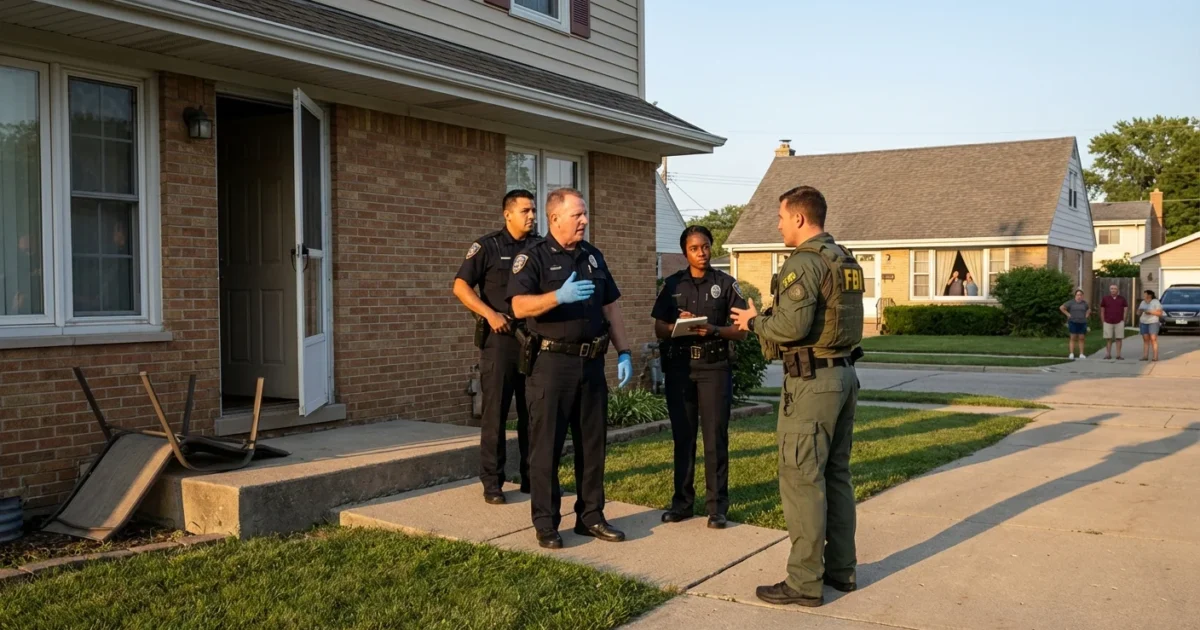
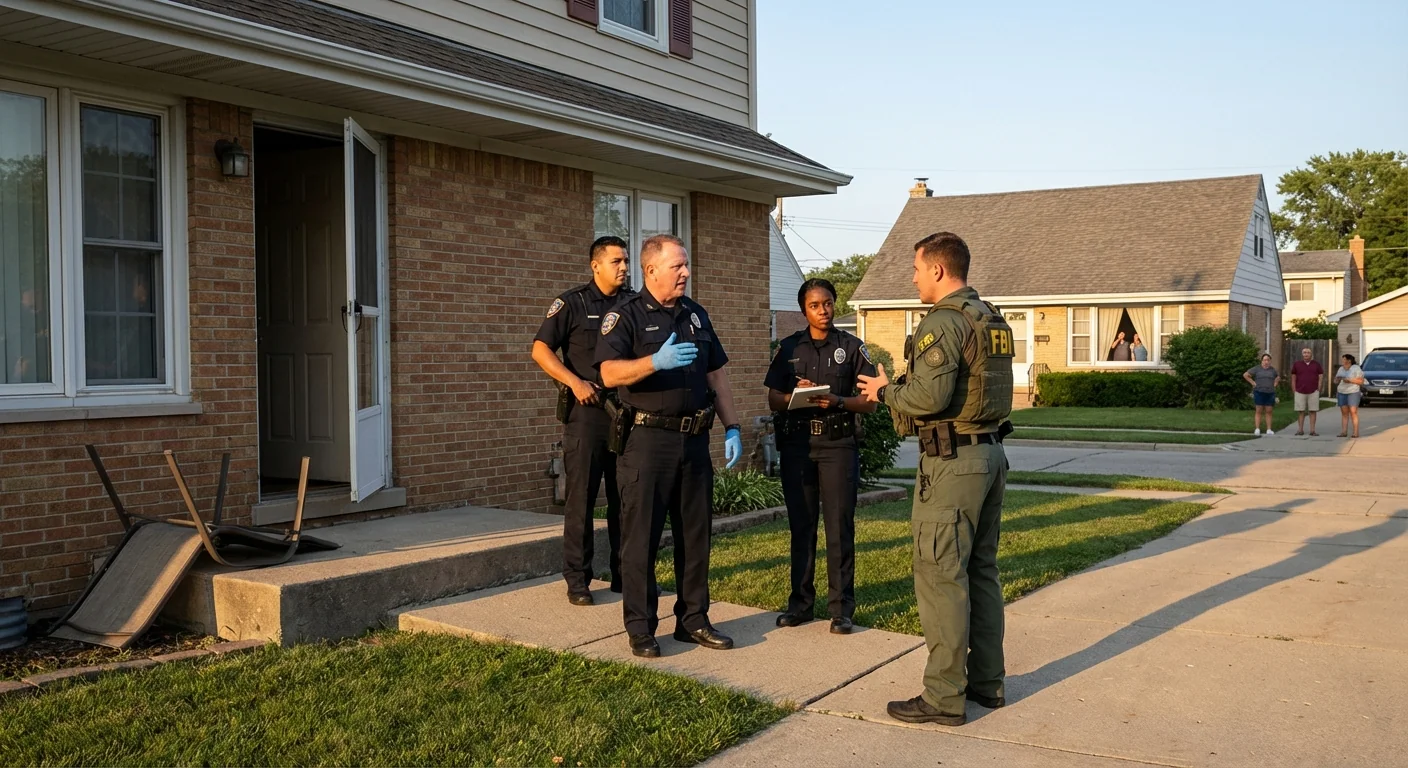
Wisconsin agencies work with ICE in task forces and joint arrests. Some counties back cooperative agreements. Others limit them. The practices on those streets will now face fresh review. When federal agents move with local partners, both sets of policies meet in the same doorway. That makes today’s video a Wisconsin issue, even if the shooting happened a few miles west.
The law that will guide the next moves
Use of force by government officers is judged under the Fourth Amendment. Courts ask if the force was objectively reasonable. They look at the threat, the severity of suspected crime, and resistance. Deadly force has an even tighter rule. It must meet an immediate threat of death or serious harm. Training and tactics feed that analysis. Did officers create or reduce risk. Did they give clear commands. Did they wait for backup when safe.
Federal agents like ICE answer to federal policies. But when they operate in Wisconsin with local police, local policies still matter. Body camera use, pursuit rules, and reporting are set by the Wisconsin agency. If a Wisconsin officer was present, state open records laws may apply to records in local hands.
Wisconsin’s Public Records Law, sections 19.31 to 19.39, gives residents the right to request government records. That includes local paperwork tied to joint operations with federal agencies.
If Wisconsin residents were present during a federal arrest, civil rights law allows complaints and, at times, lawsuits. Federal civil rights probes can also open. The Department of Justice can review patterns of force. Locally, district attorneys examine shootings that cross their jurisdictions, when evidence lands in their counties or involves local officers.
Your rights in encounters with ICE
You have the right to remain silent. You have the right to ask if you are free to leave. You do not have to consent to a search. If you are driving, you must show your license and insurance. Outside a vehicle stop, you generally do not need to answer questions. You can ask for a lawyer if detained.
If ICE is at your door, ask to see a warrant. Ask them to pass it under the door or hold it to a window. Look for a judge’s signature. An ICE administrative warrant is not a court order and does not require you to let agents in.
Do not lie or give false documents. You can choose to remain silent. If you decide to speak, tell the truth.
What to watch in Wisconsin next
This footage will move policy. Here is where to look in the coming days.
- Joint task forces, whether sheriffs and police reevaluate how and when they partner with ICE
- Body cameras, whether agreements require local cameras to run during federal operations in Wisconsin
- Training, whether Wisconsin agencies update de-escalation and warning protocols for operations with federal agents
- Transparency, whether departments commit to faster release of reports and video when locals are on scene
- Oversight, whether the Attorney General or lawmakers seek statewide standards for federal partnerships
How leaders can act now
City attorneys can update memoranda of understanding that govern joint operations. They can require clear command authority, camera use, and after-action reports. Sheriffs can set rules for when deputies join federal arrests, and when they do not. County boards can ask for quarterly public briefings on collaborations that occur in their borders. Police chiefs can direct early release of critical incident timelines, even when federal partners lead a case.
Lawmakers can pursue a clean fix. They can require written agreements for any local-federal operation that takes place in Wisconsin. They can mandate data reporting on joint arrests, use of force, and complaints. They can set a statewide expectation that video from any local camera be preserved and, when lawful, released on a set timeline. None of this blocks federal law. It decides how Wisconsin uses Wisconsin resources, which is squarely within state power.
The bottom line
The videos are stark. They show choices that will be judged under law, not just headlines. Wisconsin does not need to wait for a court to act. Agencies can tighten rules now. Lawmakers can demand sunlight now. Residents can use records laws now. The legal questions raised in Minneapolis have crossed the river. Wisconsin will answer them in its own way, and on its own timeline. The clock is already running. ⚖️