BREAKING: William Defoor charged after incident at Vice President JD Vance’s Cincinnati home
Authorities have named William Defoor as the man taken into custody after an incident at Vice President JD Vance’s home in Cincinnati. Windows at the property were allegedly broken, and federal prosecutors have now filed charges tied to the episode. The case moves from a local police call to a federal courtroom, and the legal stakes just got higher.
What we can confirm right now
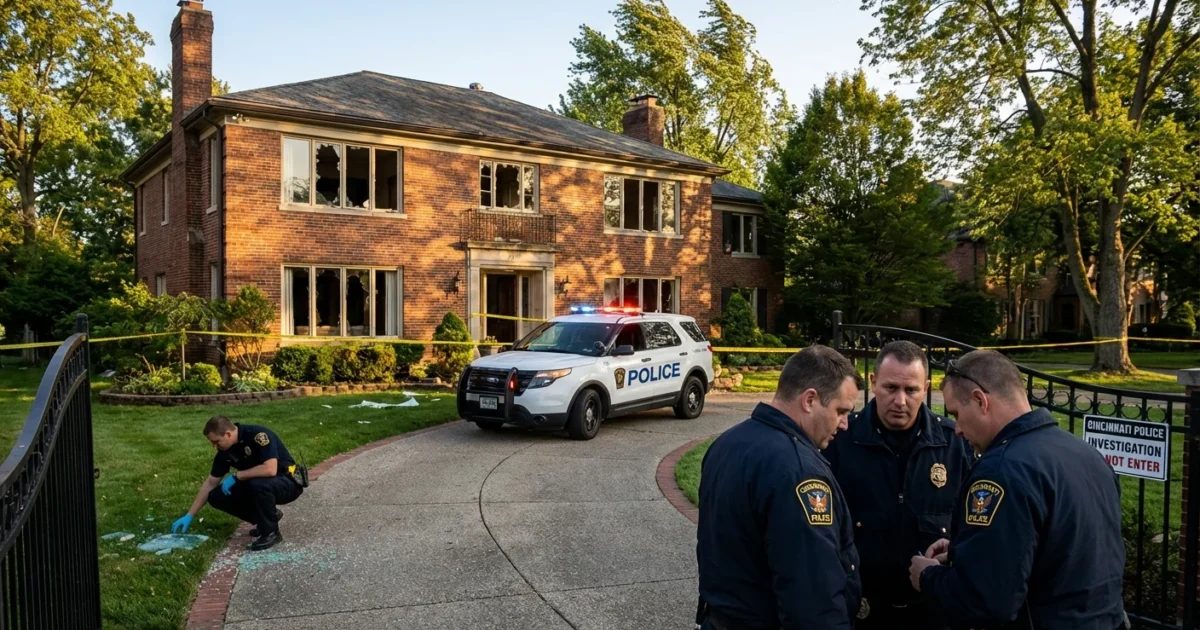
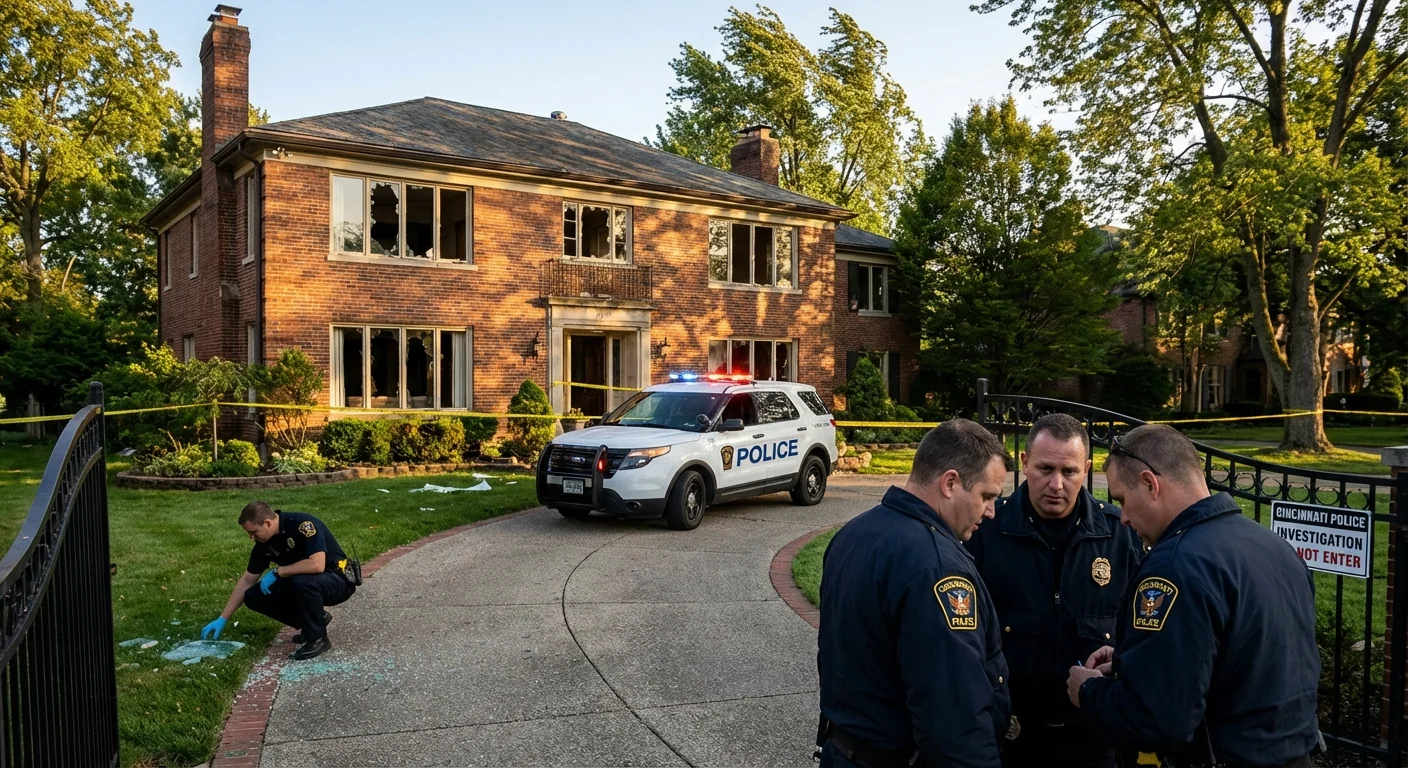
Police responded to the vice president’s residence after a report of damage and a possible attempt to enter the home. One person was detained at the scene. Charging records identify that person as William Defoor. Investigators have not publicly shared a motive. They say the inquiry remains active, with local officers and federal partners working together.
This matters for more than one reason. The home, while private property, is linked to a sitting vice president. That triggers added security measures led by the U.S. Secret Service. It also opens the door to federal offenses if the area was restricted at the time or if the conduct threatened a protectee’s safety.
- Confirmed facts so far:
- Police responded to Vice President Vance’s home in Cincinnati.
- Windows were reportedly damaged.
- One person, identified as William Defoor, was taken into custody.
- Federal charges have been filed, details to be clarified in court.
The legal meaning of federal charges here
Federal charges signal that prosecutors believe the conduct touched federal interests. Two issues often matter in cases like this. First, whether the location was a restricted area because of Secret Service protection. Second, whether the conduct posed a risk to a federal protectee.
In similar situations, prosecutors may look at laws that cover restricted buildings or grounds. They also review statutes that address threats or interference with Secret Service duties. Property crimes can also be charged under state law at the same time. Expect a parallel track. Local prosecutors can pursue vandalism or trespass counts, while federal prosecutors handle the protection side.
Do not assume any specific statute until the court filing is unsealed in full. That document will list each count, the facts that support it, and the maximum penalties.
Defoor is presumed innocent. The government must prove every element in court. Allegations are not findings of guilt.
What we still do not know
Several key facts remain unclear. We do not know if Vice President Vance or family members were at home when this happened. We do not know if Defoor had any prior contact with the property or with law enforcement. We do not know what, if anything, he said at the scene. Investigators have not shared evidence on motive. That could include politics, personal issues, or none of the above. Until the affidavit is released or presented in court, the public record will be thin.
What happens next in the case
Expect an initial appearance in federal court soon. At that hearing, a judge will advise Defoor of the charges and his rights. The court will decide release conditions. That could include bond, monitoring, travel limits, and no contact orders. If prosecutors seek detention, they must show that no condition can assure safety or appearance.
Discovery follows. The defense receives reports, videos, and witness statements. The court may enter a protective order to control sensitive security details. If capacity is at issue, a competency evaluation could occur. Parallel state charges, if filed, would proceed on a separate timeline. Coordination between offices is common in high security cases.
Citizens near the property should expect visible security adjustments. Short term barriers and identity checks are possible during key steps in the case. These are temporary. They aim to protect residents and officials while the investigation continues.
If agents or officers knock, you have rights. You can ask if you are free to leave. You can ask for a lawyer. You do not need to consent to a search without a warrant, unless an emergency exists.
Why this matters for policy and rights
This incident tests how the government protects high officeholders at their private homes. It also tests how law enforcement balances safety with civil liberties. Federal reach is appropriate when Secret Service protection is involved. That said, transparency matters. The affidavit and court hearings will show the facts the government relies on. The public should see a clear, legal basis for federal charges, not assumptions.
At the same time, this is a moment to reject vigilante narratives. Damage to property is not speech. Peaceful protest is lawful. Breaking windows is not. The line is bright, and courts are built to enforce it.
Conclusion
William Defoor now stands accused in federal court after an alleged break in attempt at the home of the vice president. The facts will firm up as filings become public and hearings begin. The core principles are steady. Protect the safety of officials and neighbors. Protect the due process rights of the accused. Let the court weigh evidence in daylight. I will continue to monitor the docket and report each step as it happens.