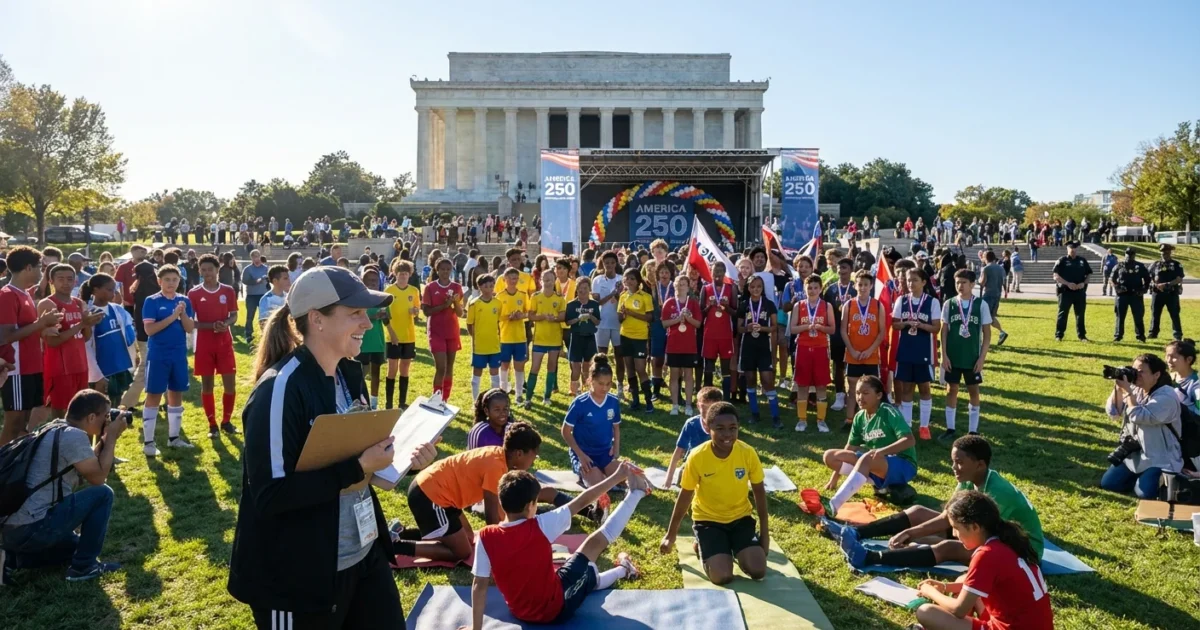
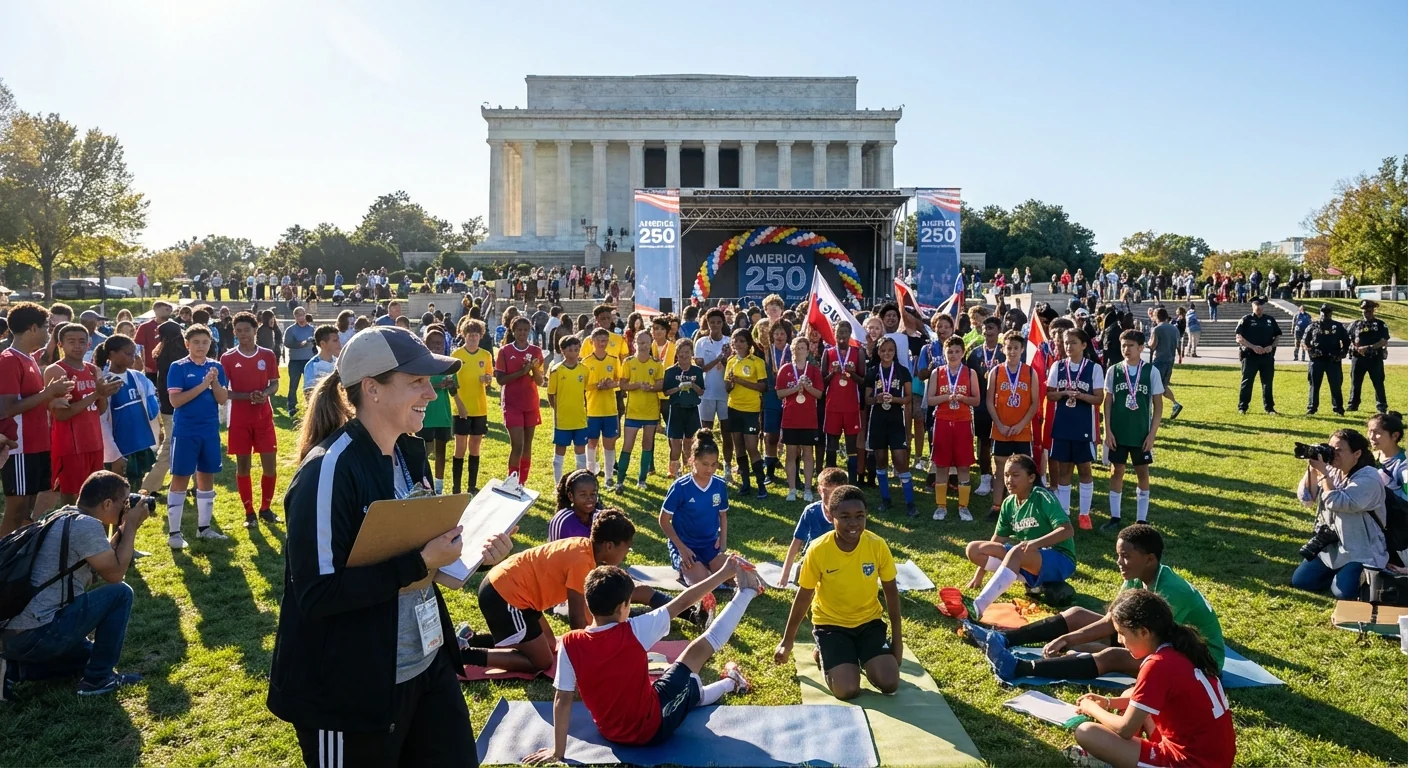
Breaking: The White House just unveiled the Patriot Games, a new national youth athletic competition tied to America 250, the nation’s 250th birthday. The plan sets up a major test of federal authority, civil rights protections, and local control in Washington. It also raises big questions about who pays, who participates, and how the government will secure the National Mall while protecting free speech.
What Was Announced, And Why It Matters
President Donald Trump announced that the Patriot Games will showcase kids from across the country. The event is slated to anchor a summer 2026 lineup in Washington, alongside a National Mall state fair and other high profile programs. The administration is pitching it as a unifying moment. The legal work begins now.
This is not a simple pep rally. These are government events on federal land that involve minors, sponsorships, and national security. That means strict rules apply. Procurement, nondiscrimination, accessibility, and speech rights will shape every step.
Any America 250 program that uses federal funds or federal property must comply with civil rights laws, accessibility rules, and federal contracting standards.
The Legal Ground: Who Has Authority And Who Pays
Congress created the framework for America 250 planning years ago. The administration can direct agencies to execute events, but spending still rides on appropriations and contracting rules. If the Patriot Games rely on federal dollars, agencies will have to bid out services under the Federal Acquisition Regulation. Private sponsors can help, but ethics and gift rules limit how, and with what strings.
The National Park Service controls use of the Mall. Large events require permits, safety plans, and accessibility measures. Expect coordination with the Secret Service, U.S. Park Police, and D.C. officials. Closing roads or rerouting transit will trigger local procedures under D.C. law, even when the venue is federal.
If public schools are asked to send teams, Title IX and Title VI obligations come with them. Even beyond schools, federal civil rights laws apply at the venue. That includes equal access regardless of race, color, national origin, religion, sex, or disability. The Rehabilitation Act and the Americans with Disabilities Act require accessible fields, seating, transport, and communication.
Minors, Safety, And Data
These are youth competitions, so child safety is not optional. Staff and volunteers who interact with minors will need clear screening and training. Background checks and mandatory reporting rules are state based, but federal partners often require them by contract. Medical planning must include certified trainers, heat protocols, and concussion guidelines.
Privacy is a separate risk. If event apps or websites collect information from kids, the Children’s Online Privacy Protection Act governs how that data is gathered and shared. Schools that transmit student records must follow FERPA. Clear consent forms and tight data retention policies will be essential.
Parents and guardians should ask who is collecting their child’s data, for what purpose, and for how long it will be kept.
Speech, Protest, And The National Mall
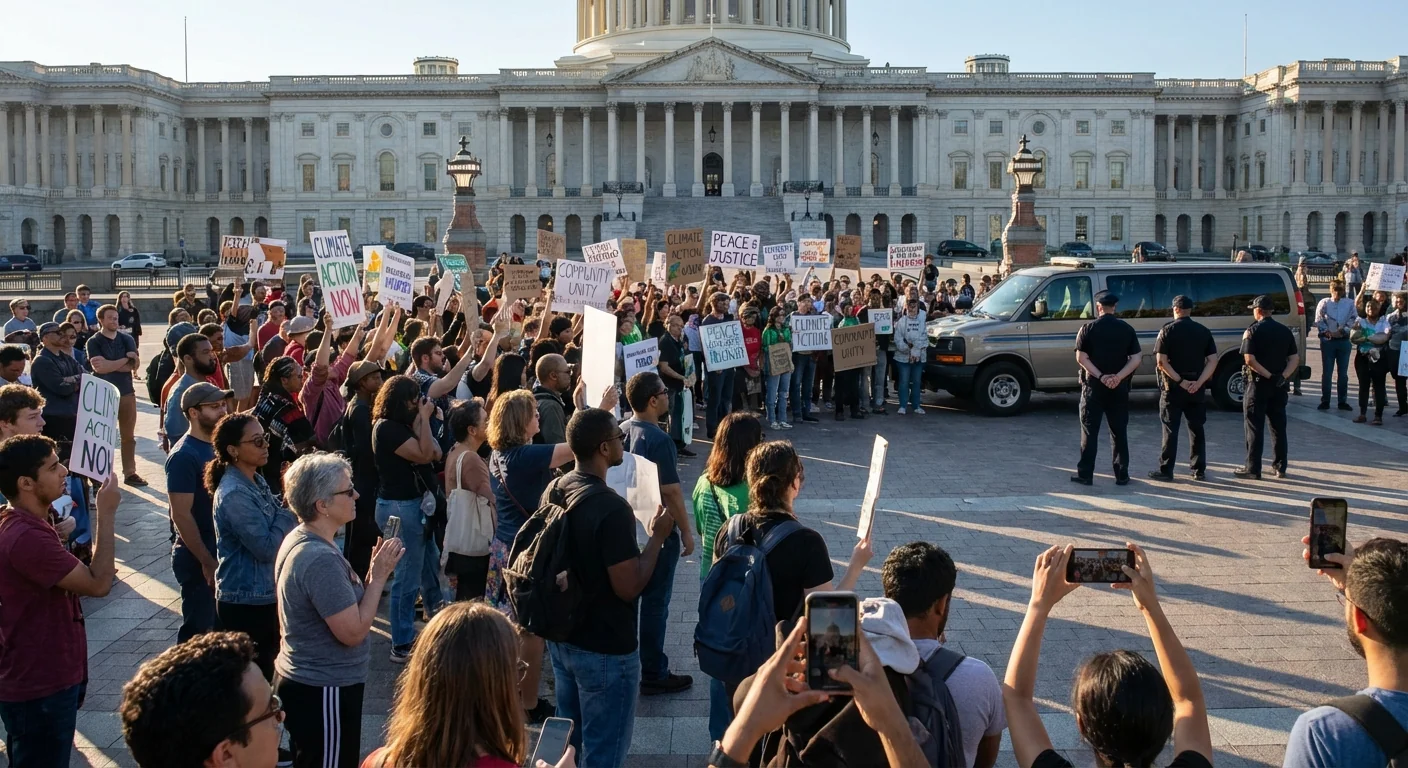
The National Mall is a public forum. The Supreme Court has long held that the government cannot restrict speech there based on viewpoint. Patriotic events and protests have to coexist. Time, place, and manner limits can manage safety and flow, but they must be content neutral.
Expect designated demonstration areas near the venues. March routes and noise limits will be set in advance. Police must enforce rules evenly. If arrests occur, protesters retain the right to counsel and to record officers, subject to reasonable safety limits.
Know Your Rights On Site
- You can peacefully assemble on the Mall with a valid permit or within areas open to the public.
- You can record public officials performing public duties.
- You must follow lawful orders for safety and access.
- Accessibility complaints can be filed with the Park Service and the Department of the Interior.
Money, Optics, And Oversight
Cost will be a flashpoint. Agencies will need to disclose budgets and contracts. Inspectors General and the Government Accountability Office may review spending, especially if private sponsorships are involved. Any steering of contracts to favored firms would face strict scrutiny.
The Hatch Act will shadow the stagecraft. Federal employees cannot use their official authority to influence an election. Messaging, banners, and podium time must stay on the right side of the line. That applies to planning calls, email lists, and even logo placement.
If athletes cross state lines, amateur status rules and school eligibility policies matter. No one should be forced to sign away name, image, and likeness rights without clear notice. Travel coverage and insurance must be spelled out in advance.
What Must Be Decided Next
- The legal host agency, and its contracting path
- The permitting plan for the Mall and nearby sites
- Eligibility and selection rules that meet civil rights law
- Funding sources, including any private sponsorships
- Security, medical, and emergency evacuation plans
If your school or club is invited, ask for the full participation agreement. Check costs, insurance, data use, and grievance procedures before you sign.
The Bottom Line
The Patriot Games could be a proud moment, a true national stage for young athletes. It could also test our rules for fairness, safety, and speech. The law gives the roadmap. The government must follow it. Citizens should watch closely, ask hard questions, and use their rights, on the field and off. 🇺🇸