

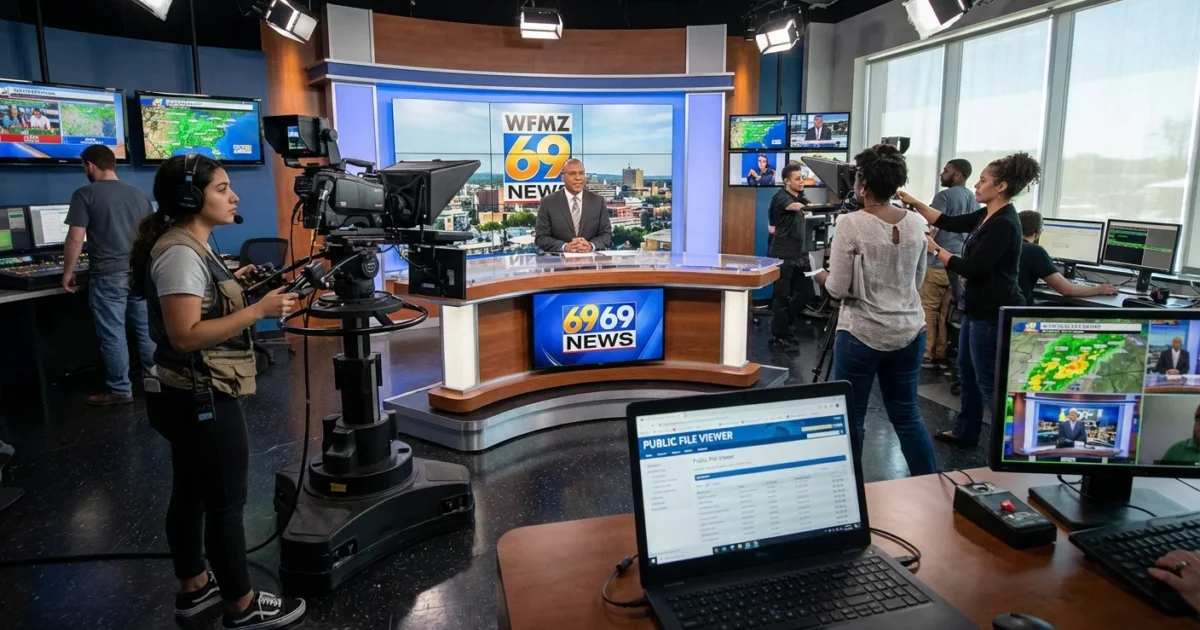
BREAKING: No emergency at WFMZ. Here is what actually matters for viewers’ rights and public policy
I am publishing this to cut through confusion. WFMZ-TV, the independent station serving the Lehigh Valley and nearby counties, is operating normally today. There is no outage, no shutdown, and no emergency order. The real story is civic. Your local broadcaster carries legal duties to you, and you have rights you can use today.
What WFMZ is, and what it owes the public
WFMZ-TV, channel 69, is licensed to Allentown, Pennsylvania. It serves the Lehigh Valley, Berks County, and the greater Philadelphia market. It is owned by Maranatha Broadcasting Company. The station runs a heavy local news slate. That includes English and Spanish newscasts, weather, traffic, and community coverage.
As a federally licensed broadcaster, WFMZ must serve the public interest. That duty includes fair news practices, equal access rules for candidates, and emergency alert readiness. It must follow FCC rules on closed captioning, audio description, children’s programming, and advertising limits. It must also keep an online public file that anyone can review for free.

Every full-power TV station must keep an FCC public file online. It should show political ad buys, children’s programming reports, local content efforts, and complaints.
Today’s reality, not rumor
Nothing extraordinary is happening at WFMZ today. The station continues its regular broadcast and digital services. That includes over-the-air programming, its website, and weather content. If you saw chatter about a sudden crisis, treat it as unverified. Look for official notices, not hearsay.
This is why the policy angle matters. When confusion spreads, the law points to clear anchors. The FCC Emergency Alert System is the primary tool for urgent warnings. County emergency managers also issue official notices. Your phone may carry Wireless Emergency Alerts during life safety threats. A TV station cannot invent those alerts. False alarms can trigger regulatory investigations and penalties.
Do not act on unverified claims about shutdowns or emergencies. Trust only official alerts from government agencies or the station’s on-air crawl.
The legal guardrails that protect you
WFMZ’s license carries strict compliance duties. These rules matter even on a quiet day.
- Political access and fairness. Federal candidates are entitled to reasonable access to broadcast time. The equal opportunities rule gives opposing candidates the chance to request comparable time if one candidate appears on air.
- Accessibility. Closed captioning is required for almost all programming. Viewers can file FCC complaints if captions are missing or inaccurate. Audio description is expanding, which helps blind and low-vision viewers follow key content.
- Emergency alerts. WFMZ participates in the Emergency Alert System and state plans. When an alert is issued, the station must transmit it as designed. False or delayed alerts can bring fines and corrective orders.
- Public file transparency. The station’s political file shows who bought political ads, the cost, and the times. Citizens and campaigns can audit this in real time.
Pennsylvania law also matters. The state’s Right-to-Know Law covers government records, not private broadcasters. Still, agency records about EAS activations, public safety alerts, and contracts are accessible, subject to exemptions. If a public agency triggers an alert or buys airtime, there should be a paper trail.
On privacy, broadcasters must safeguard user data collected through apps and websites. Pennsylvania has a breach notice law that requires prompt notice if certain personal data is leaked. Federal rules protect children’s data online. Parents can invoke those rights for minors who use station apps or sign up for alerts.
How to verify real alerts fast
When minutes count, use official channels first. Here is a simple path you can follow now.
- Turn on the TV and check the on-air crawl or station newscast.
- Go to your county emergency management website for an active alert banner.
- Check Ready.gov or your state emergency agency page for statewide warnings.
- Review the station’s FCC public file if the issue involves political ads or complaints.
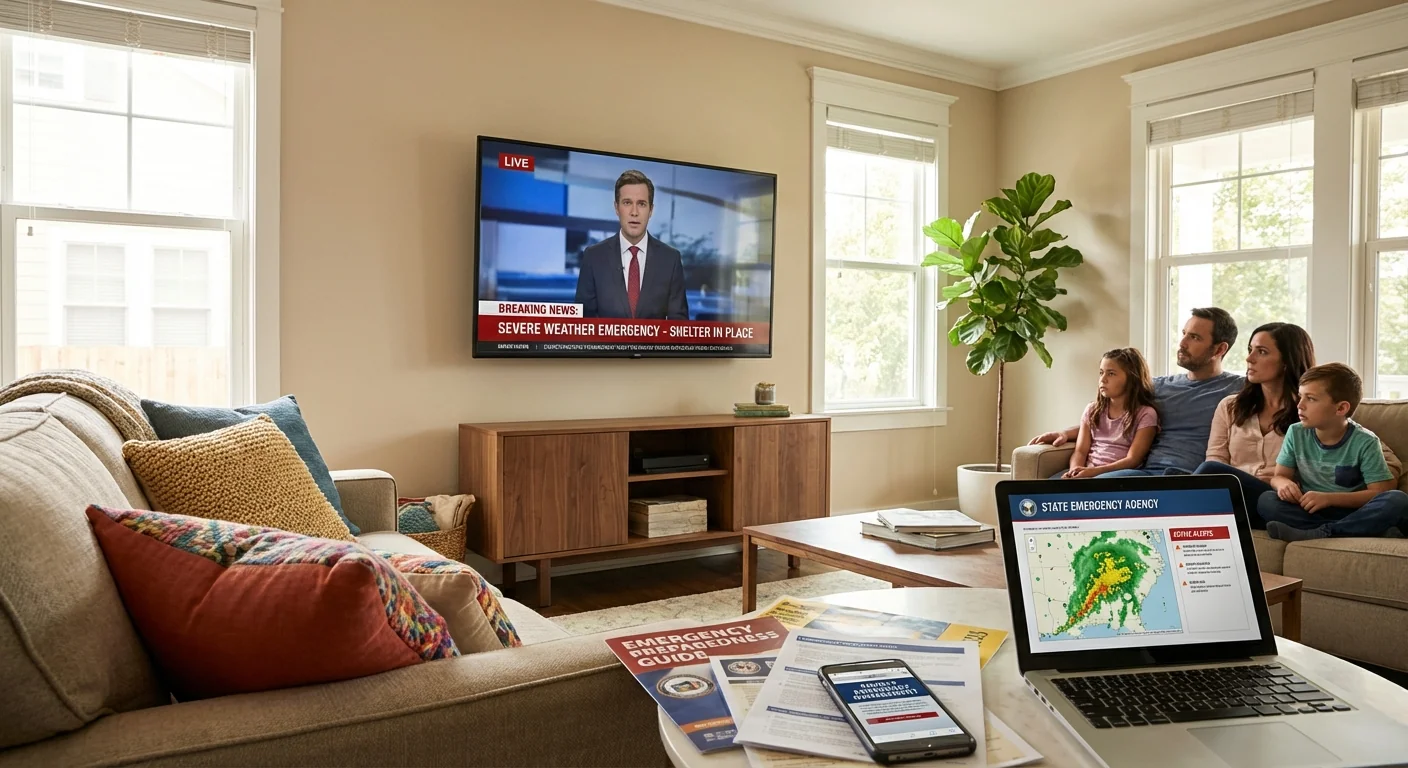
Bookmark your county emergency management page. Sign up for official text and email alerts. Practice a two-step check before you act.
What this means for WFMZ viewers today
Your local station is steady. That is the headline. The deeper news is the safety net around it. Federal rules backstop emergency alerts, political fairness, and accessibility. State law supports open records for government actions that affect what you see and hear. You are not powerless. You can inspect the political file, submit caption complaints, and document any alert errors.
If you have a concern, write it down. Note the time, the program, and the issue. Then use the FCC complaint portal or contact your county emergency office. Paper trails drive outcomes in media law.
In short, there is no crisis at WFMZ today. The real power lies in your rights, and in the rules that make local broadcasting accountable. Keep your verification tools close. Use them. That is how a community stays informed and safe.




