Minnesota activates National Guard in Minneapolis after fatal federal-agent shooting
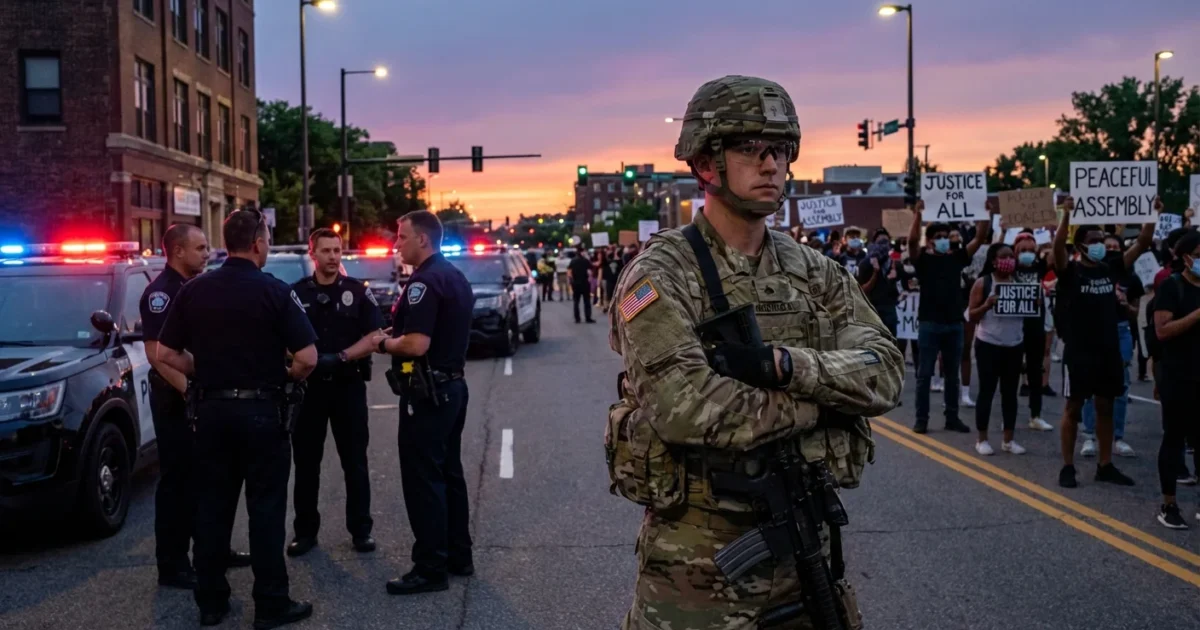
I can confirm that Governor Tim Walz has activated the Minnesota National Guard to support public safety in Minneapolis. The move follows formal requests from the City of Minneapolis and Hennepin County. The requests came hours after a Border Patrol agent shot and killed a man in the city. Officials are preparing for protests and possible unrest as investigations begin.
What the activation means
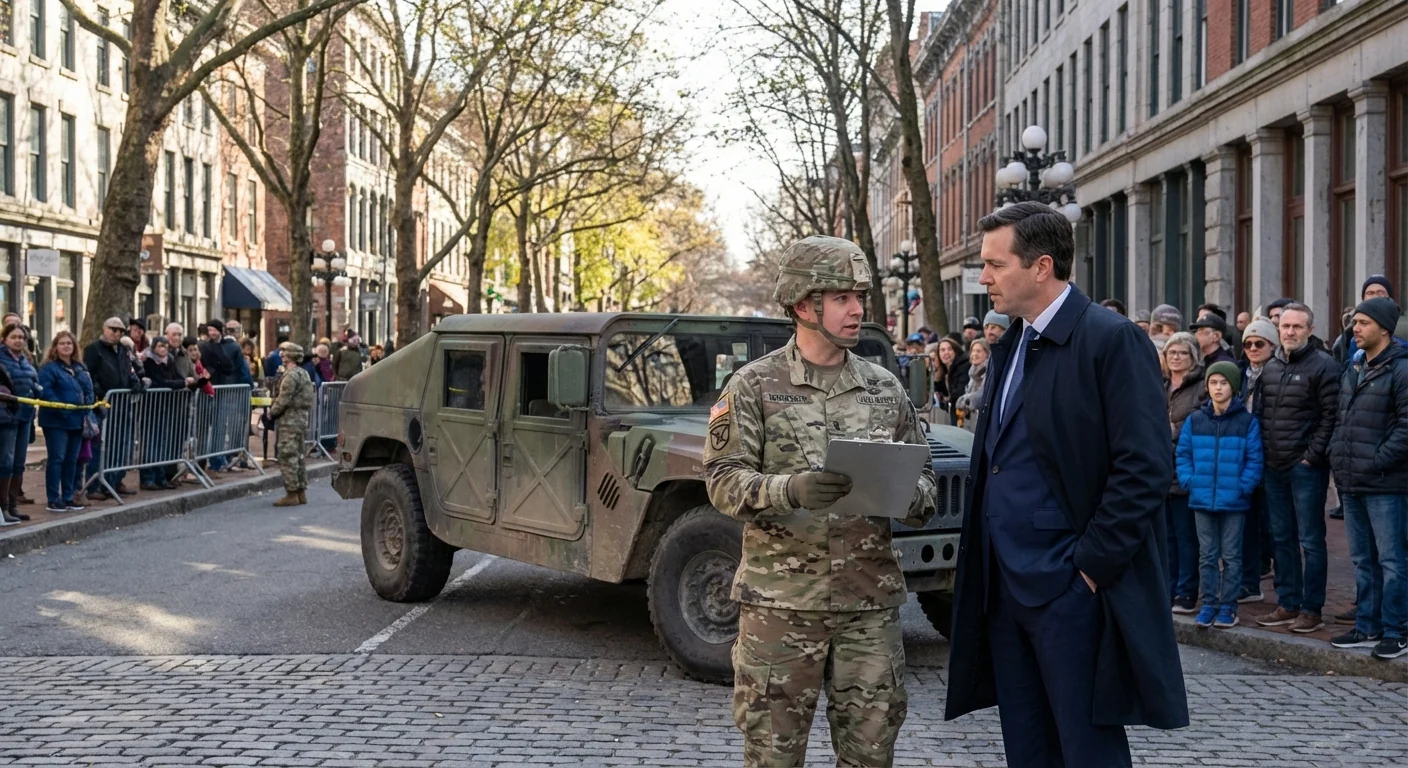
This is a precautionary deployment. Guard units will stage near key sites, support traffic control, and help protect critical buildings. They are not being sent to lead crowd control. Local police remain the primary authority for arrests and dispersal orders.
The Guard is operating under state active duty. That means the governor is in direct command, not the federal government. Under state status, the Guard can support law enforcement missions. In practice, Minnesota has used the Guard to secure perimeters, move supplies, and back up first responders.
I am told the activation is limited and scalable. The state will adjust the posture based on conditions on the ground. City and county leaders asked for this support to keep resources stable during a tense period. The goal is to separate lawful protest from any violence, reduce strain on local officers, and lower the chance of clashes.
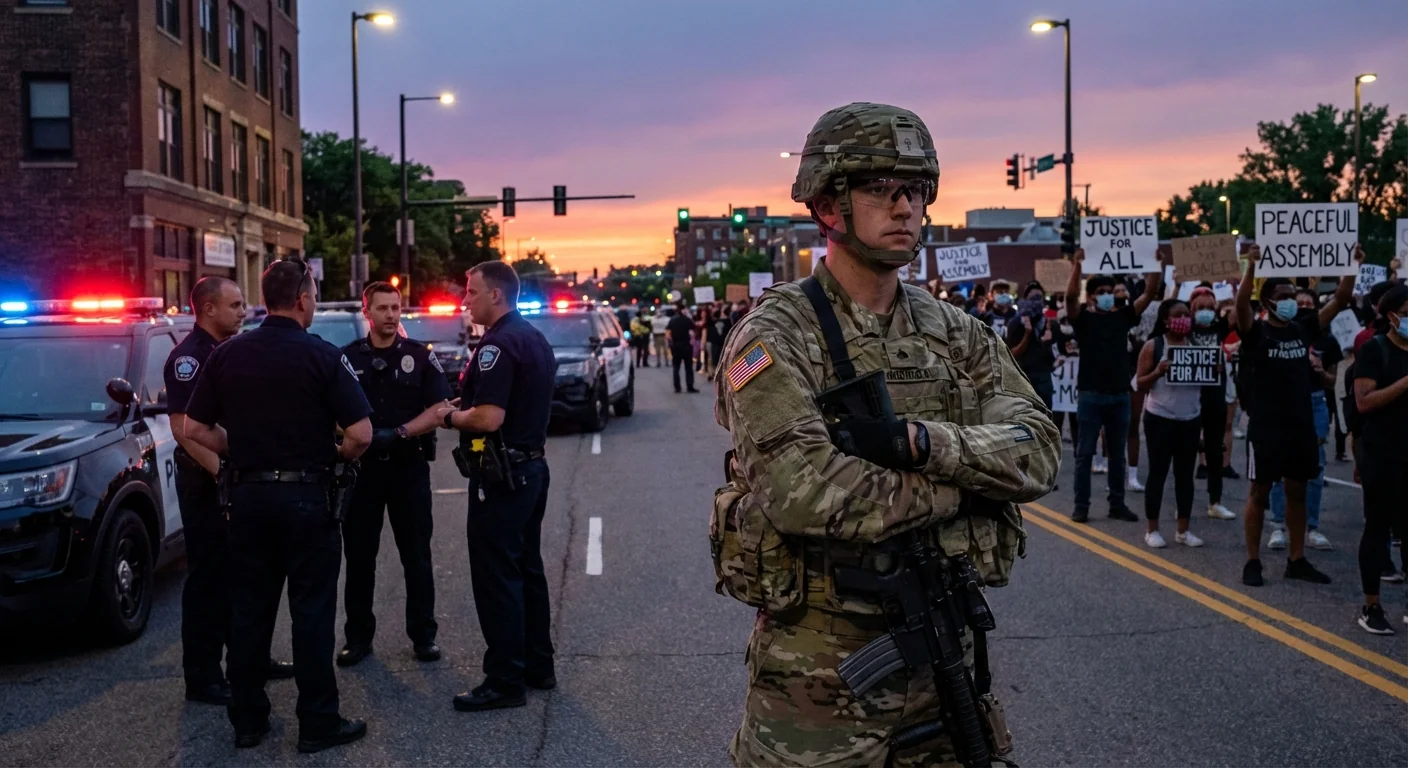
The Guard supports civil authorities, it does not replace them. The governor’s order sets boundaries on missions, use of force, and coordination with police.
Your rights in the streets
You have the right to protest. The First Amendment protects peaceful assembly and speech. Minnesota’s Constitution adds its own protections. Those rights are strong, but they are not unlimited. Authorities may set time, place, and manner rules that are content neutral. They must allow meaningful chances to speak and gather.
If police declare an unlawful assembly, they must give clear orders and time to leave. Curfews, if issued, must be formally announced and applied fairly. The presence of the Guard does not change these legal standards. Guard members follow strict rules of engagement and support local command decisions.
- You can record police from a safe distance.
- You must follow lawful orders to move or disperse.
- You can seek medical help without delay.
- You have the right to remain silent if detained.
Keep your ID on you, know a backup meeting spot, and use a buddy system. If you receive a dispersal order, move calmly to an exit route.
What we know about the shooting
A federal agent with Border Patrol shot and killed a man in Minneapolis. The exact circumstances are still under review. State and federal investigators are now involved. In Minnesota, the Bureau of Criminal Apprehension typically leads officer involved shooting probes. When a federal agent is involved, federal agencies also review the case.
Expect parallel investigations. Evidence gathering, interviews, and any video will be assessed. Public release of names and footage can follow different rules when federal officers are involved. City leaders are pressing for transparency while protecting due process. I will report timelines for public disclosures as they are set.
If a curfew is announced, it becomes enforceable once the order is issued and publicized. Check official city and county channels before heading out.
Policy, oversight, and costs
The legal basis for this activation rests on the governor’s emergency powers and militia authority in state law. The city and county requested help under mutual aid principles. Command posts now coordinate police, sheriff, state patrol, and Guard roles. Unified command aims to prevent mixed messages on the street.
Use of force rules matter. Minneapolis tightened crowd control policies after recent years of unrest. Chemical agents, projectiles, and kettling are subject to stricter oversight. The Guard trains to de escalate, protect life, and avoid escalation. Any use of force incident will trigger a review.
Taxpayers will see a bill for this activation. The state can seek reimbursement or share costs with local governments, depending on the order’s terms. After action reports are expected. Lawmakers will likely call hearings to examine the decision making, expenditures, and civil liberties impact.
Residents can also seek records. Minnesota’s Government Data Practices Act provides access to many public documents, with limits for active investigations. Complaints about officer or Guard conduct can be filed with the relevant agency. Civil claims may arise if rights are violated, subject to notice and immunity rules.
The balance ahead
Minnesota is trying to hold two truths at once. People have a right to grieve, march, and demand answers. The state must protect life and property during a volatile moment. The Guard’s presence is meant to steady the situation, not to silence the crowd.
The path forward depends on clarity, restraint, and transparency. Investigators must move quickly and share what they can. Protesters should make their voices heard while keeping each other safe. Officials must keep the streets open to speech and closed to violence. I will keep tracking the legal steps, the public orders, and the accountability that follows.