Breaking: Jury Deliberating in Brian Walshe Murder Trial After Defense Rests Without Witnesses
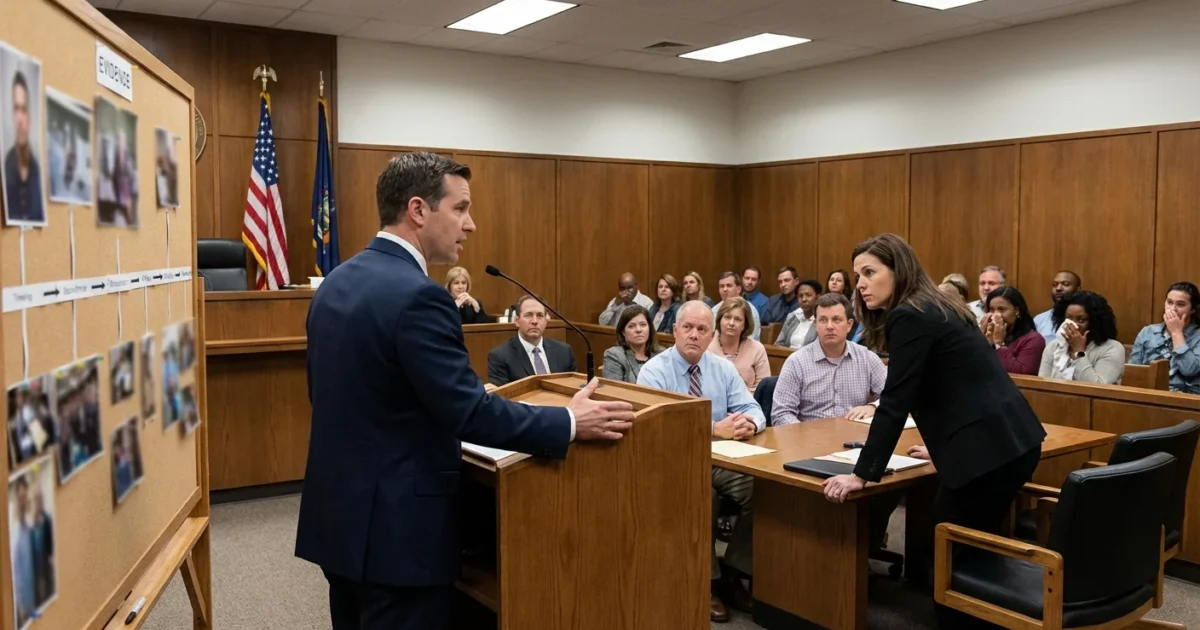
The courtroom fell silent today as jurors received instructions and began deliberating the fate of Brian Walshe. The defense rested yesterday without calling a single witness. Walshe did not testify, despite earlier signals that he would. Closing arguments wrapped this morning, and the case now sits with the jury.
Where the Case Stands Right Now
I watched the defense rest with no witnesses and no testimony from Walshe. The move surprised many in the room. It also sharpened the stakes. The jury now weighs a first degree murder charge even though Ana Walshe’s body has never been found.
Jurors heard closing arguments that framed two clear stories. Prosecutors say the evidence shows planning, killing, and cover up. The defense says Ana died unexpectedly, and a panicked husband made terrible, criminal choices after her death.
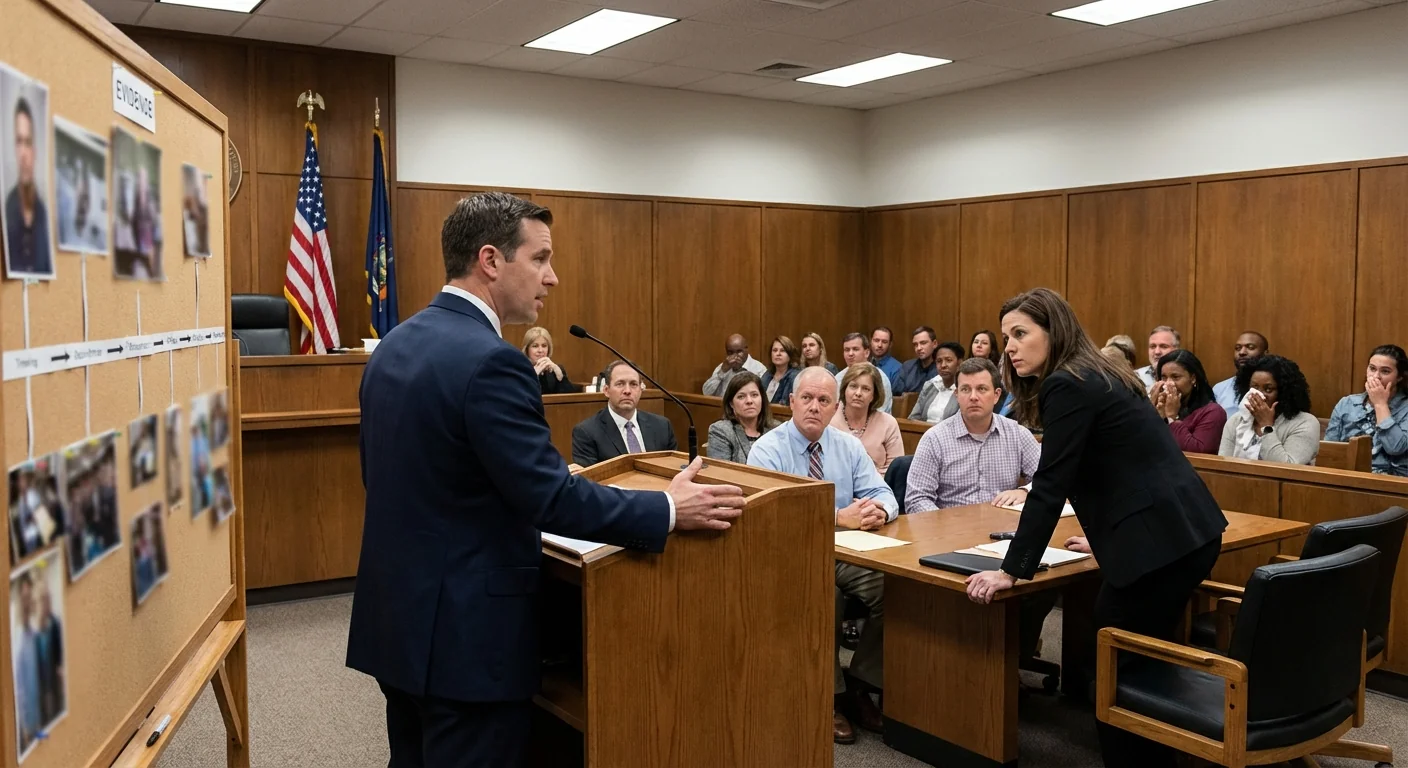
Before being sent out, jurors were told the law in plain terms. The state must prove guilt beyond a reasonable doubt. The defendant is presumed innocent. The jury must not consider his choice not to testify.
How Prosecutors Built Their Case
Prosecutors leaned on motive, digital footprints, and forensic links. They pointed to marital strain, talk of life insurance, and alleged infidelity. They walked jurors through internet searches about dismemberment and body disposal. They showed surveillance of dumpster trips. They tied tools and cleaning supplies to traces of Ana’s DNA.
They also argued consciousness of guilt. That is a legal idea. It means actions like lying to police, hiding evidence, or sudden cleanup can show someone knew they did something wrong. The jury will decide how much weight to give that.
The state reminded jurors of Walshe’s guilty pleas last month to misleading police and improperly moving a body. He did not plead guilty to murder. The judge has directed jurors to consider each charge on its own evidence.
Graphic evidence can stir emotion. Jurors are instructed to decide only on the facts and the law.
The Defense’s Strategy and Your Rights
The defense did not call experts, friends, or family. They stood on cross examination and the state’s burden. Their theory is blunt. Ana died in her sleep. Brian made criminal, frantic choices afterward, fearing blame and harm to their children. That fits the two lesser pleas, they argued, not murder.
Walshe’s silence matters here in a specific way. He has an absolute right not to testify. The jury may not hold that against him.
A defendant’s choice not to testify cannot be used as evidence of guilt. This is a core constitutional protection.
Separately, the court confirmed his competency to stand trial after a jailhouse attack led to an evaluation. That ruling cleared this case to proceed, and it reduces grounds for delay or mistrial tied to mental fitness.
Law and Policy Stakes
This is a no body homicide case. The law allows conviction without a recovered body if the evidence proves death and criminal responsibility beyond a reasonable doubt. Courts accept strong circumstantial proof, but they caution jurors to test it carefully.
Digital evidence sits at the heart of the state’s case. Investigators used warrants to obtain search histories, device data, purchases, and video. That engages Fourth Amendment and state privacy law. Judges review these warrants for probable cause and scope. If a conviction follows, defense counsel may test the warrants on appeal, arguing overbreadth, lack of probable cause, or unfair prejudice.
Massachusetts treats first degree murder with the harshest penalty. A conviction carries mandatory life in prison without parole. The state has no death penalty.
No body cases can result in convictions. The standard of proof remains the same, and circumstantial evidence can meet it.
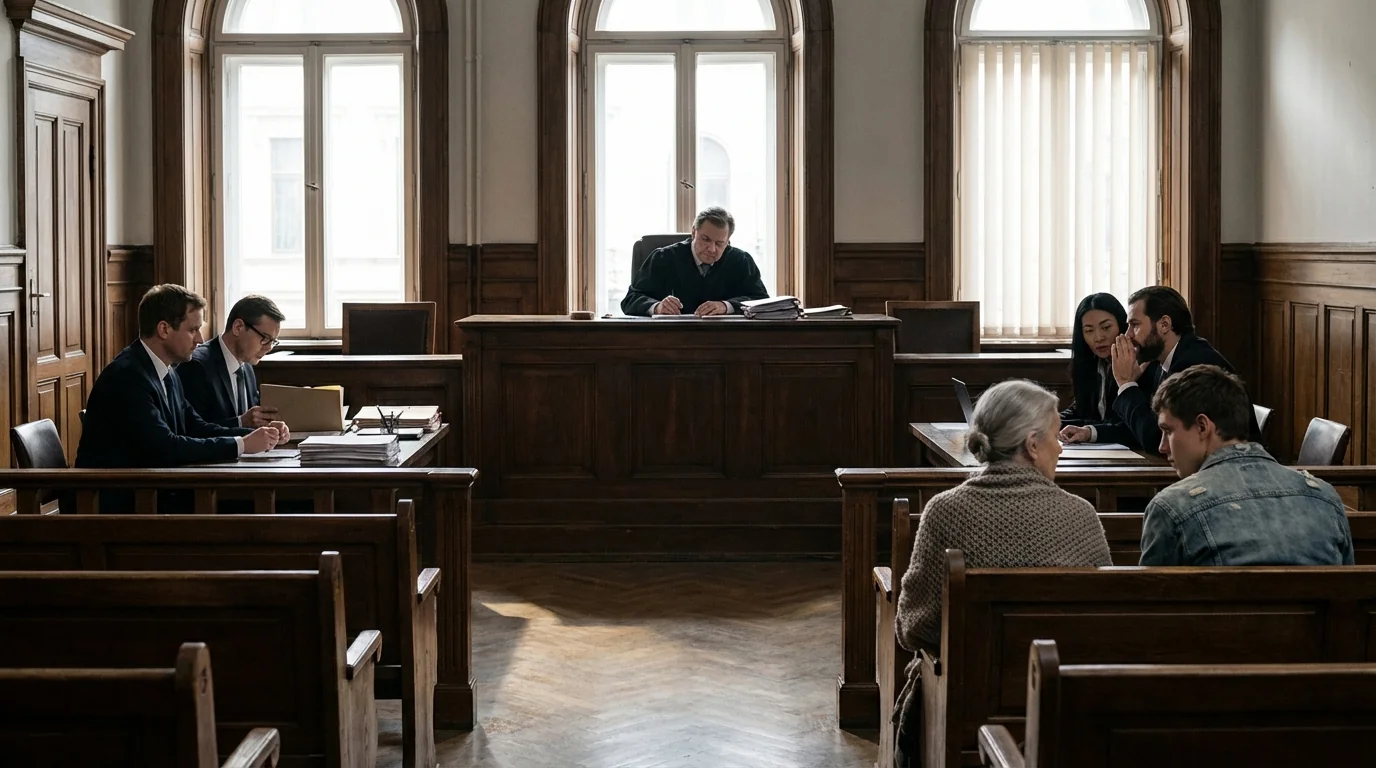
What the Verdict Could Mean
- Guilty of first degree murder, mandatory life without parole, likely appeals on evidence rulings and digital searches
- Guilty of a lesser included offense, sentence set by statute and guidelines, appeals still likely
- Not guilty, immediate release on the murder count, prior pleas and sentences remain
- Hung jury, the judge may declare a mistrial, the state can retry the case
A not guilty verdict would end the murder case forever because of double jeopardy. A hung jury keeps the door open to a retrial. A guilty verdict would set the stage for sentencing and a lengthy appeal.
Conclusion
The jury now holds a rare and difficult case. No body, dense digital evidence, and a defense that chose to rest on the burden of proof. The legal standards are clear, the stakes are historic, and the public interest is intense. We are in court and will report the verdict the moment it is announced.