

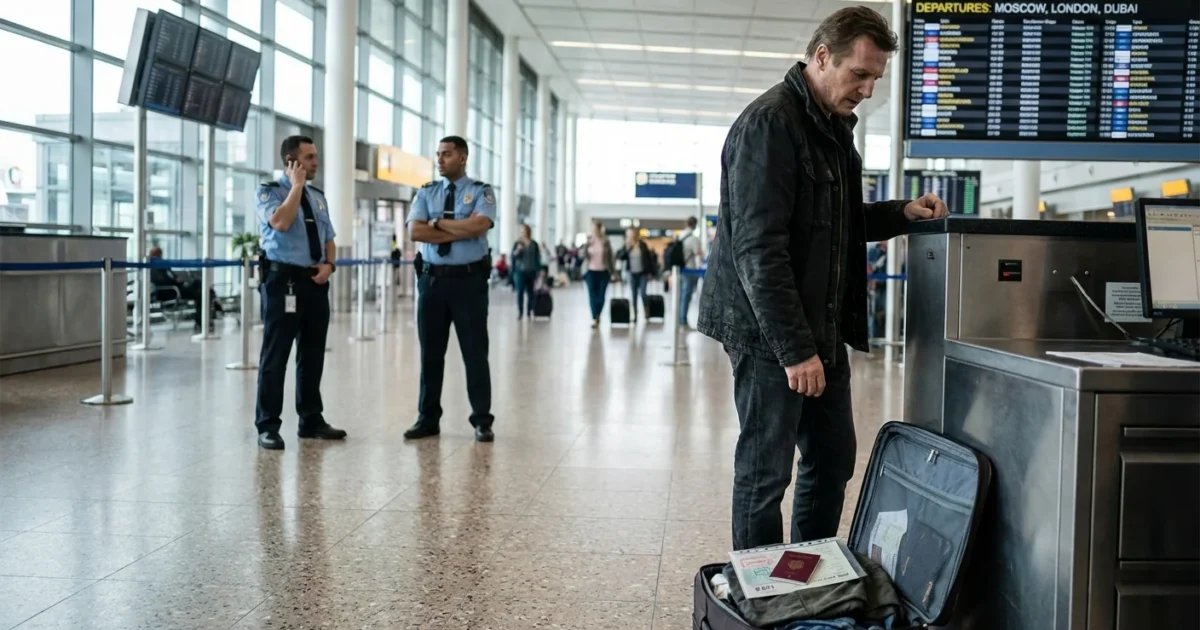
Breaking: Philippine immigration moves to expel Vitaly Zdorovetskiy, the Russian-born YouTuber known for high-risk pranks. He is now in deportation proceedings tied to a Taguig City case. Officials are preparing removal to Russia and a likely blacklist from re-entry. Photos from local custody show him looking almost unrecognizable, adding urgency to an already fast-moving legal process.
What is happening now
Authorities have initiated removal after a Taguig case placed Zdorovetskiy under tight watch. The Bureau of Immigration is coordinating travel documents and flight arrangements. Once cleared, he will be escorted to the airport and placed on a Russia-bound plane. Under standard practice, he will be blacklisted after departure. That means no lawful return to the Philippines unless the blacklist is lifted.
Zdorovetskiy built a career on pranks and public stunts. Some of those moves have crossed legal lines in past stops around the world. In the Philippines, public order violations can trigger both criminal charges and immigration action. Deportation is an administrative act. It does not require a criminal conviction if the state finds a foreign national undesirable or a risk to public safety.
A deportation order is separate from a criminal case. Immigration can remove a foreigner based on administrative findings, even if a court case is still pending or later dismissed.
How deportation works in the Philippines
The process follows a set path. It is fast when documents are complete, and slower when they are not. Here is what it usually looks like for a foreign national in custody:
- The Bureau of Immigration issues or upholds a deportation order after review.
- The person is turned over to the BI warden and remains in custody before departure.
- Authorities secure travel documents from the embassy or consulate.
- The person is booked on the earliest available flight out.
- After removal, the name is placed on the immigration blacklist.
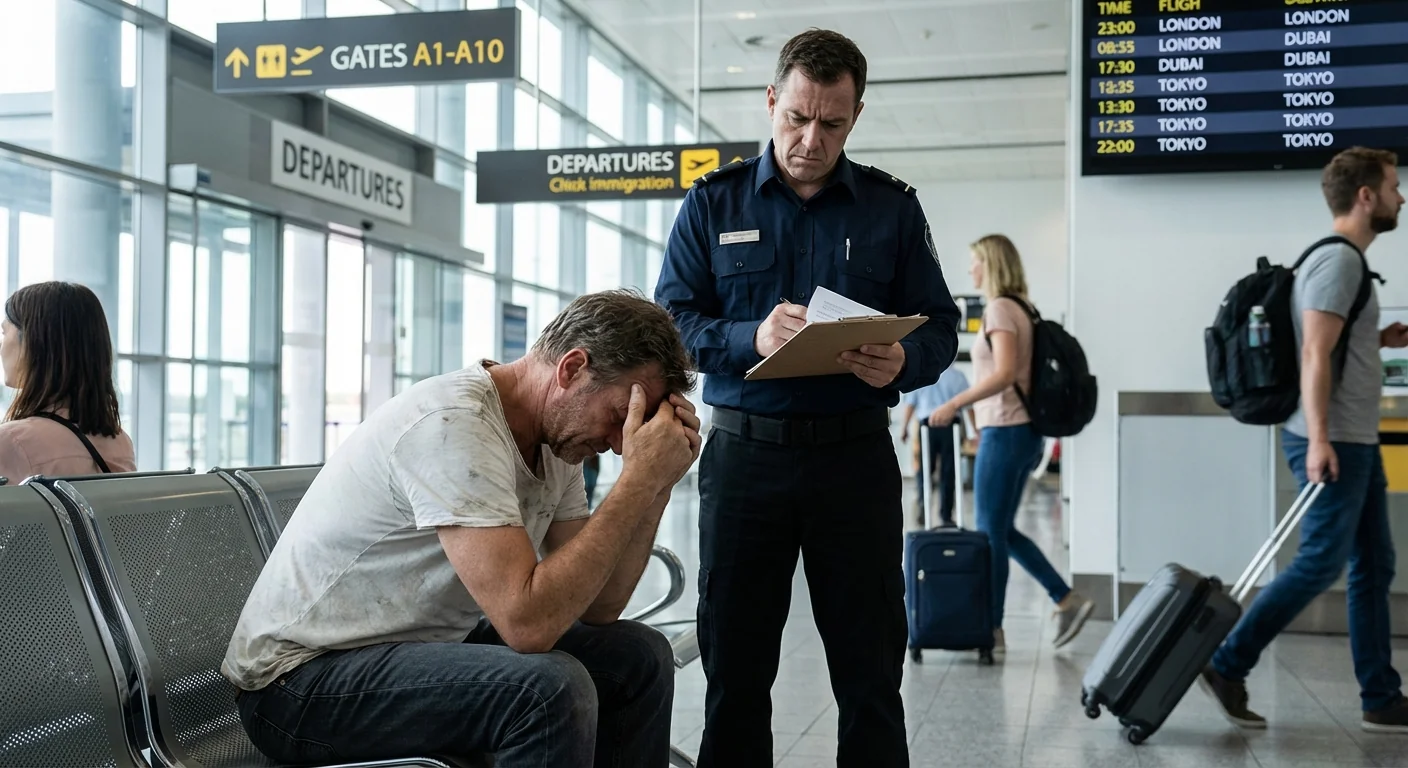
Blacklisting is not symbolic. It is an enforceable bar at the border. Airlines also get notice through watchlists. If a person tries to return, carriers must deny boarding or face penalties.
Rights and duties, for everyone involved
Zdorovetskiy keeps basic rights while in custody. He has the right to counsel of his choice. He has the right to contact his embassy under the Vienna Convention. He can seek reconsideration of an immigration order, and he can ask a court to review that decision. These moves can affect timing, but they must be filed quickly and in the proper forum.
Citizens also have rights when stunts spill into the street. People can film in public, but they cannot harass others or create danger. If a prank causes fear, injury, or property damage, victims can file complaints at the barangay or police station. Filming that captures personal data without a valid purpose may also raise privacy issues.
If a stunt puts you at risk, step away, record details from a safe distance, and report to authorities. Seek medical help if needed. Your safety comes first.
When content meets local law
Influencer culture often tests limits. In the Philippines, those limits are set by national law and city rules. Public disturbances, obstruction, trespass, and unjust vexation can all draw charges. Filming in some locations requires permits. Disobeying lawful orders from officers has legal consequences. Brands and crews that aid a risky stunt may share liability.
This case shows the edge where shock content turns into legal exposure. What might be a prank to an audience can be a public order crime to a prosecutor. For a foreign national, that can become an immigration problem fast. One incident can be enough for removal if the state finds the conduct harmful to the community.
What happens next
Timing now depends on paperwork and flights. If travel documents arrive quickly, removal can happen within days. If Zdorovetskiy files a motion or seeks court relief, the timeline could pause. If he has fines, fees, or release orders from Taguig, those may be settled or coordinated before departure. After removal, the blacklist takes effect. It usually stays in place for years, unless immigration lifts it for a compelling reason.
For creators, the message is clear. Know the local rules. Secure permits. Respect public order. For citizens, the message is just as clear. You are not required to be part of a stunt. You have the right to refuse, the right to walk away, and the right to report.
Conclusion: Spectacle met the state today, and the state moved first. The Philippines is signaling that disruptive stunts by foreign visitors carry real legal risk. Zdorovetskiy’s pending deportation is not just a headline. It is a case study in how content culture collides with law, policy, and the everyday rights of the public. ⚖️




