Breaking: New videos raise serious questions in the fatal shooting of Alex Pretti by federal agents in Minneapolis. I have reviewed the footage, compared it with official statements, and spoken with legal experts. The gap between what was claimed and what appears on camera is driving urgent calls for an independent investigation, full footage release, and clear answers.
What We Know Right Now
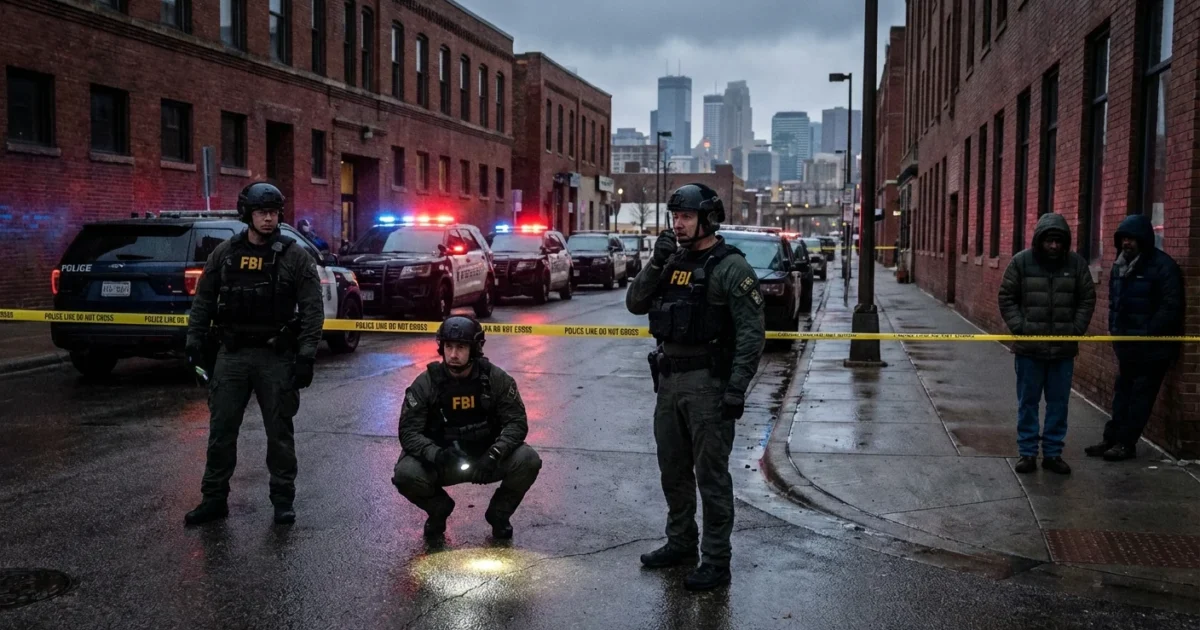
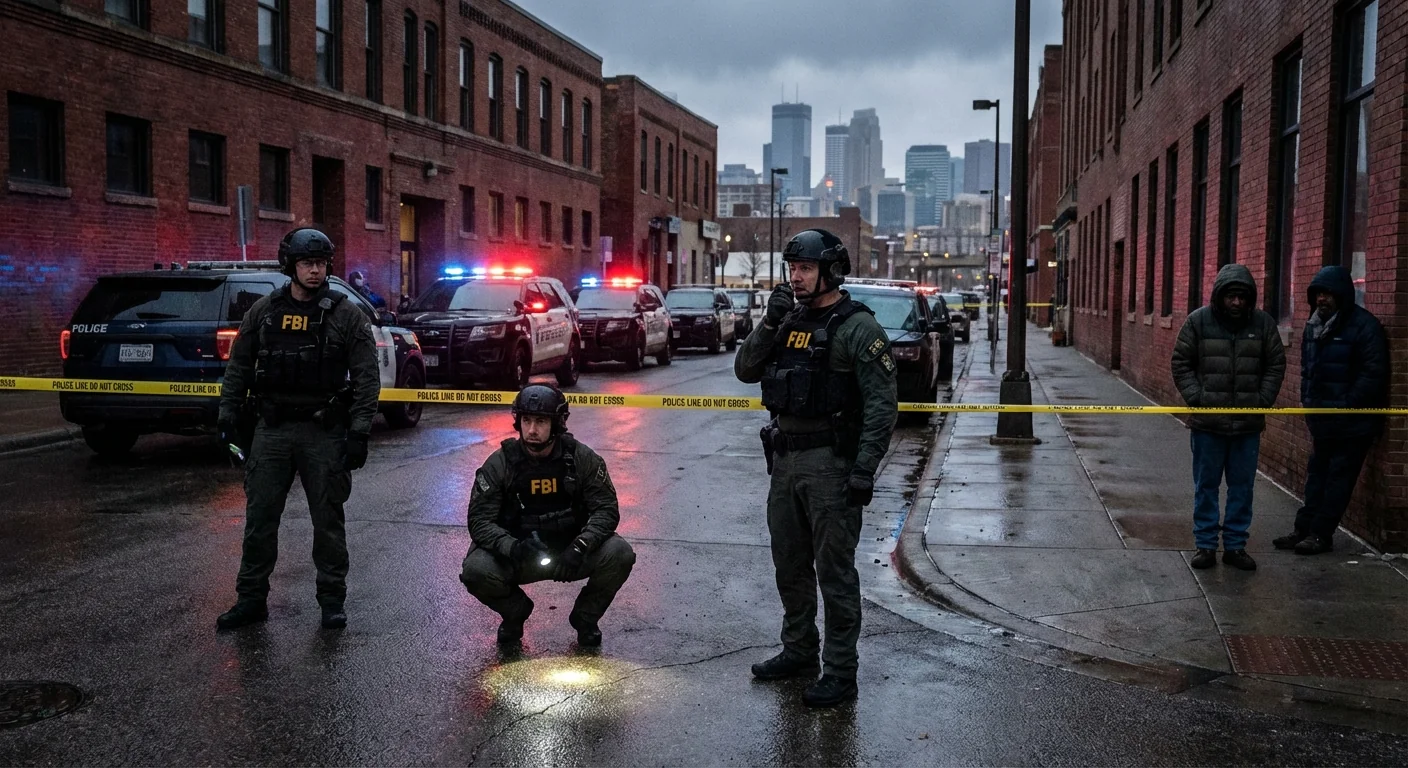
Federal agents shot and killed Alex Pretti during an operation in Minneapolis. Officials moved quickly to say Pretti caused the deadly outcome. Within hours, multiple videos surfaced from nearby cameras and bystanders. A detailed forensic review released soon after points to key moments that do not match parts of the official account. The result is a crisis of trust, and a fast building demand for transparency.
What happened in those seconds matters. Use of deadly force by federal agents is governed by constitutional standards. The question is whether the facts seen on video meet the legal test of an imminent threat. That determination will shape everything that comes next, from personnel action to possible criminal review.
The Clash Between Video and Official Statements
I analyzed the new clips frame by frame. The sequence, timing, and distance shown in the footage challenge the story that was offered first. Audio is limited in several angles, which leaves room for doubt. But the visuals are strong enough to warrant outside review. They raise issues about whether commands were audible, whether de escalation was attempted, and how fast the shots were fired.
It is normal for initial statements to be incomplete. It is not acceptable for statements to be wrong in ways that shift blame. When government claims do not match the images, policy must require a reset. That means releasing all unedited footage, including any surveillance or dashcam that exists, and clear timelines of officer actions.
Key issue: Were agents facing an imminent threat as defined by constitutional standards at the moment shots were fired?
The Law, Plainly
Federal agents are bound by the Fourth Amendment. Deadly force is lawful only if an officer reasonably believes a person poses a serious threat of death or serious injury. Reasonable is the test, judged by the facts known in that instant, not by hindsight.
Two tracks of review are likely here. One is a criminal inquiry into whether any agent violated federal civil rights law under 18 U.S.C. 242 or relevant Minnesota statutes. The other is an internal administrative review, which can lead to discipline, retraining, or termination. A state level probe by the Bureau of Criminal Apprehension is standard in Minnesota. It should proceed unless federal authorities block access to evidence. If federal agencies hold key footage, delays are common. That is why a formal agreement to share evidence, with a public timeline, is vital.
If the family brings a civil case, they could pursue claims under Bivens against individual agents, along with wrongful death claims under the Federal Tort Claims Act. Those cases turn on the same facts now in dispute, especially what the videos show.
You have the right to record law enforcement in public spaces, as long as you do not interfere. Keep a safe distance. 📱
Policy At Stake
This case is a test of federal transparency rules. For years, many federal task forces operated without body cameras. Newer policies allow cameras in many operations, but adoption is uneven. If no federal body camera video exists here, the government must say so now. If cameras were used, the raw footage should be released quickly, with minimal redactions.
Minneapolis has been under intense scrutiny since 2020. Trust depends on neutral fact finding. The clearest path is an independent investigation, a special prosecutor if needed, and a commitment to release evidence on a fixed schedule. Anything less will deepen the divide between residents and those sworn to protect them.
Your Rights and What Comes Next
If you witnessed the shooting, preserve your footage. Save the original file, email it to yourself, and do not edit it. If officers request your phone, ask if you are free to leave. Absent a warrant or emergency, police cannot seize your device, and they cannot delete your videos.
Expect several near term steps:
- Identification of the agents and their status
- Release of 911 calls and dispatch logs
- Autopsy findings and time of death
- A formal announcement of the lead investigative agency
Do not share claims that are not backed by video, documents, or direct testimony. Misinformation harms real people and can slow accountability.
The Bottom Line
This is a high stakes federal use of force case in a city that knows the cost of secrecy. The videos now in public view do not sit easily with the first official story. The law requires reasonableness, not perfection. It also demands truth. Minneapolis needs immediate transparency, an independent probe with teeth, and a public plan for evidence release. The public has a right to know how and why Alex Pretti died, and who will be held to account. I will continue to verify, report, and push for answers.